

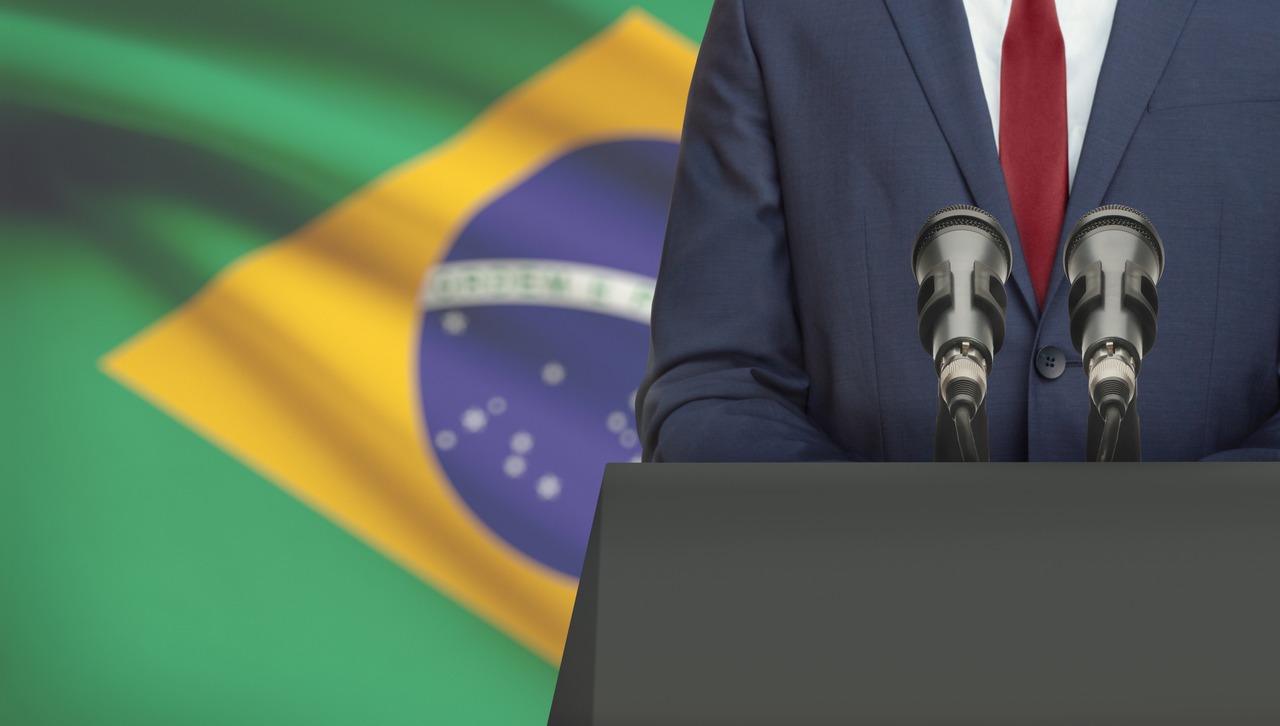
Brazil President Luiz Inácio Lula da Silva has signed a provisional measure to prohibit iGaming and fixed-odds sports betting – effective immediately – less than two years after the country originally unveiled its regulated online gambling market.
According to the measure, operators currently authorized to conduct online gambling business in Brazil will be given no transition period to restrict access to their respective platforms.
Lula’s measure also includes sectors receiving resources from bookmakers, such as sponsorships, media groups and professional football clubs. Providing a deadline to adapt the legislation was discussed in a meeting with Lula on September 25, but saw its position denied.
Gamblers in Brazil will have until October 5 to voluntarily withdraw the money available on respective platforms.
Exploring or operating fixed-odds betting has been officially deemed a crime punishable by imprisonment of four-to-six years, in addition to a fine. The legislation extends the same penalties to those who offer, receive, register, intermediate, make available or manage betting channels and establishments.
Brazil’s government conducted an internal survey to gauge the ramifications of Lula’s legislation, finding that such entities would spend upwards of $443m on betting advertising per year, potentially resulting in immediate layoffs.
The same survey also calculated the amount of revenue generated by professional football clubs in Brazil through betting sponsorships, which typically amounts to 20% (or $269.6m on average) of payroll for the country’s largest clubs.
At the time of writing, Brazil’s Government is examining measures to mitigate the loss of revenue for football clubs, as well as whether immediate aid will be required.
In an interview with CNN Brasil, Flamengo President Luiz Eduardo Baptista estimated industry-wide revenue losses of $77m-$82.8m for FY2027, and believes it could be “absolutely impossible… to stop this bleeding.”
Lula met with Uruguay President Yamandú Orsi in New York during the UN General Assembly on September 22, expressing interest in learning more about his experience regulating the country’s online betting sector.
Those in support of the legislation would point to Brazilians spending approximately $11.6bn per year on betting platforms, as certain groups believe the industry is “siphoning” money away from consumer spending and household bills.
Lula brought the provisional measure forth prior to the first round of general elections on October 4 and has made online gambling a frequent target due to growing concern over the state of the economy among voters.
Brazil collected $1.87bn in federal taxes from businesses classified as gambling during the first eight months of 2026, according to Receita Federal data.
At the time of writing, there are currently 188 authorized betting operators in Brazil – each of which were required to pay roughly $5.8m for a five-year license. Lula’s legislation does not state whether operators will be reimbursed for such payments, however.
Despite being banned from operating in Brazil since April, prediction market operator Polymarket was found to still be accessible for some Brazilian users as of September 11