











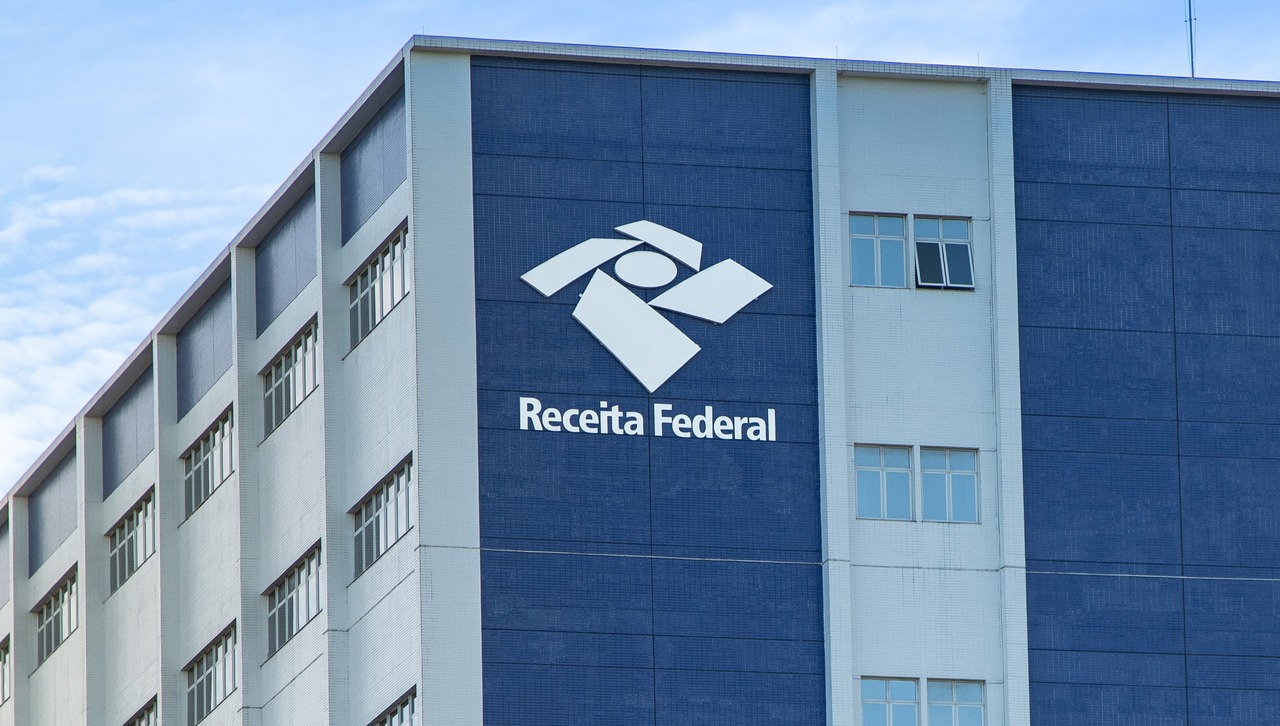
Brazil collected BR$9.91bn ($1.87bn) in federal taxes from businesses classified as gambling during the first eight months of 2026, according to Receita Federal data.
The total represents a 69.3% increase from the corresponding period in 2025, when revenue from the sector stood at BR$5.86bn. August generated approximately BR$1.17bn, taking the cumulative figure from BR$8.75bn at the end of July to BR$9.91bn.
The figures cover federal taxes collected from businesses under the economic classification for gambling. They therefore extend beyond the specific contribution applied to fixed-odds betting operators and include taxes such as corporate income tax, CSLL and PIS/Cofins.
Receita Federal has separately clarified that GGR forms the gross revenue base for calculating PIS/Pasep and Cofins for fixed-odds betting services. GGR is calculated from amounts wagered after the deduction of prizes paid to players.
The increase comes during the second year of Brazil's nationally regulated fixed-odds betting market, which became operational in January 2025. Operators require authorization from the Ministry of Finance's Secretariat of Prizes and Betting (SPA) to offer sports betting and online gaming through bet.br domains.
Brazil's regulatory framework also requires operators to make statutory allocations from betting revenue alongside other taxes. The Ministry of Finance states that betting businesses are subject to PIS/Cofins and corporate taxation, while a share of betting revenue is directed toward statutory social allocations and payments connected with the use of sports organizations' and athletes' images.
Enforcement has also intensified. In September, the SPA introduced procedures allowing payment accounts linked to illegal betting operations to be blocked and transactions interrupted.
The measure followed several Receita Federal investigations during August into alleged tax evasion, money laundering and unauthorized betting activity.
Brazil's overall federal revenue reached BR$235.57bn in August, up 8.25% in real terms year-on-year. Revenue for January through August totaled BR$2.11trn, representing real growth of 7.12%.
In August, Receita Federal also formalized its position on taxation of bettors' net winnings. Tax Ruling 157/2026 confirmed annual calculations across operators, with gains and losses calculated separately by betting category and taxpayers responsible for determining and paying the tax.
Brazil's SPA said 85 businesses had been authorized through its federal licensing process by August 2026