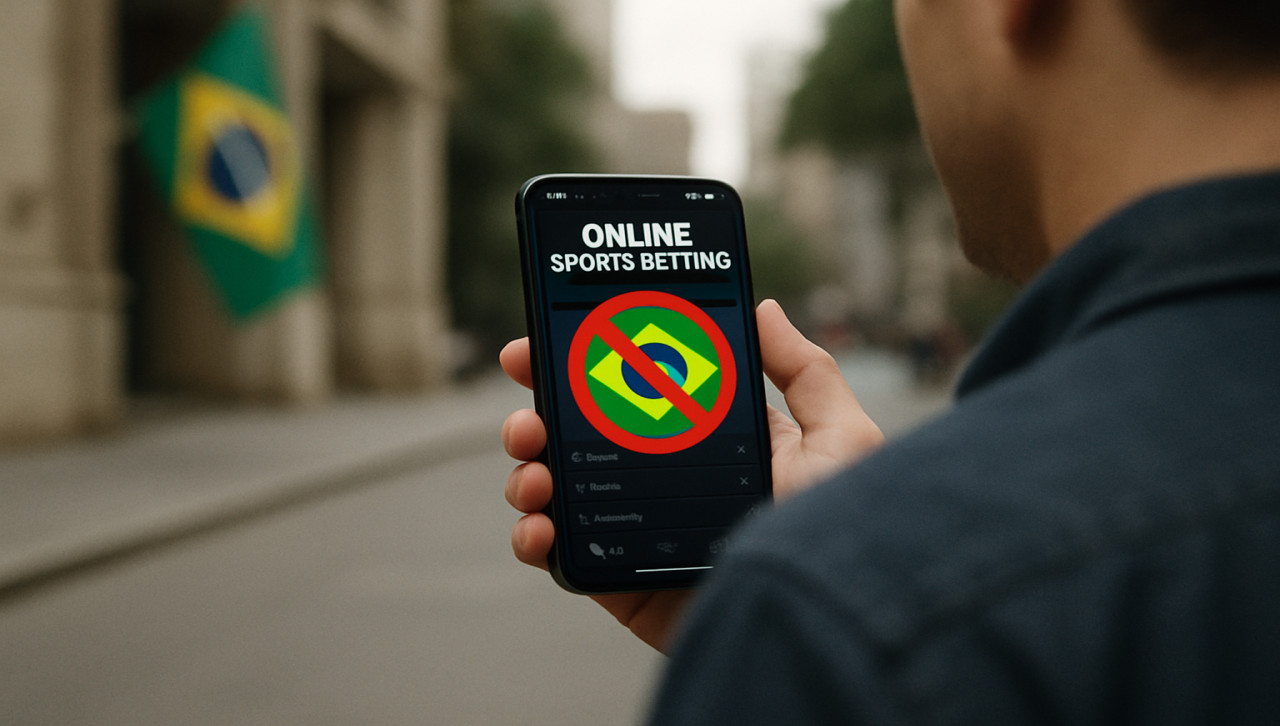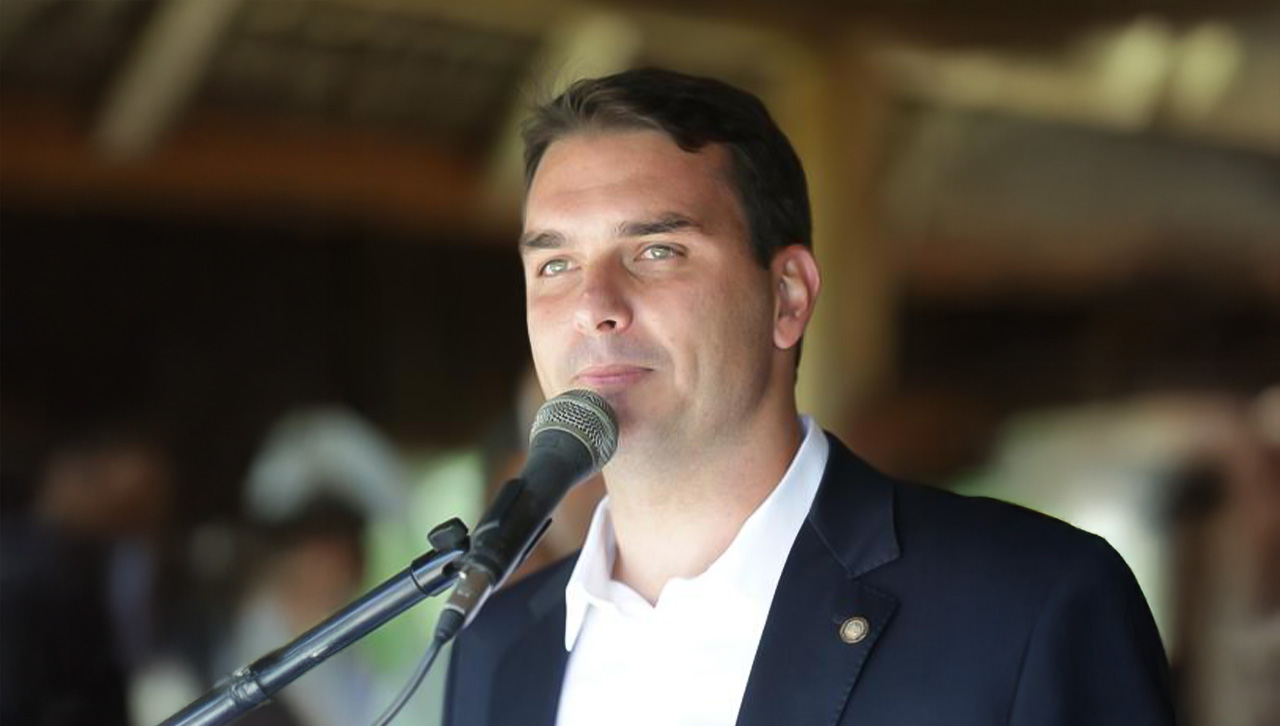
With Brazil’s Presidential Election just days away, Flávio Bolsonaro has positioned himself against the Government’s ban on betting.
Accusing President Lula da Silva of using the measure for electoral advantage, the PL presidential candidate argued that Lula should have addressed the risks associated with betting earlier rather than moving to prohibit the sector shortly before the election.
“With only nine days left until the election, he announces that he will end betting,” Bolsonaro said, accusing Lula of acting opportunistically and prioritising tax revenue when the Government regulated the sector.
There is, however, a fairly significant wrinkle in Bolsonaro's position: opposing Lula’s ban does not mean supporting the betting industry.
Bolsonaro has said that, if elected, he would ban online casinos and platforms while allowing sports betting to continue. That makes his current criticism less a defense of betting in general than a defence of one particular part of the market.
His argument also comes during an election campaign in which football remains an obvious political audience. With clubs and football authorities warning about the financial consequences of a betting ban, opposing the Government’s measure offers a relatively straightforward way to appeal to supporters of the sport and the commercial ecosystem around it.
Bolsonaro has repeatedly attacked Lula for “legalizing” bets and argued that the Government should have prevented the industry from operating in the first place.
The timeline is less convenient for that argument.
Sports betting was legalized in Brazil under former President Michel Temer in December 2018. Lula subsequently signed Law 14,790 in 2023, establishing the regulatory framework for fixed-odds betting, including sports and online games.
The earlier legislation required the Government to establish detailed rules within two years, with a possible two-year extension. Those rules were not introduced during the presidency of Flavio Bolsonaro’s father, Jair Bolsonaro, and were ultimately approved under Lula.
Lula has also sent Congress a bill establishing prison sentences for those who operate, facilitate or advertise betting and online games