














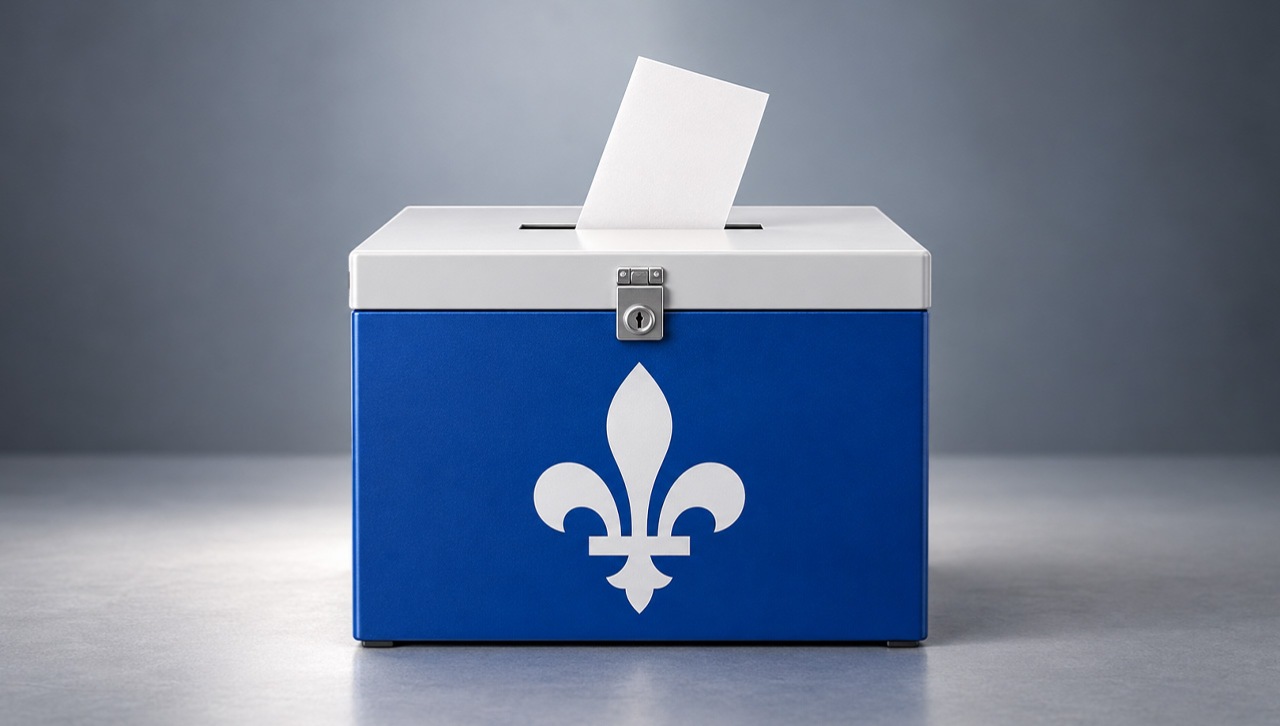
The separatist Parti Québécois (PQ) had already expressed its commitment to regulating online gambling and, given the results of Monday's election, they may be on the road to doing so.
The most recent elections resulted in Parti Québécois (PQ) replacing the ruling party the Coalition Avenir Québec (CAQ) and its main opposition the Québec Liberal Party (PLQ).
Despite the contentious race, all three parties ran on legalizing the iGaming industry. CAQ most recently voted in favour of regulation during its 2025 National Convention.
If the Francophile province decides to pursue regulation, it will join fellow Canadian provinces Alberta and Ontario which have become exemplary models. The economic powerhouse of Canada, Alberta, regulated online gambling earlier this year.
As of July, it received 50 operator registrations, 58 critical gaming systems providers and 14 platform providers.
From DraftKings to Caesars Sportsbook, Alberta's revenue model is to allocate 2% of gross gaming revenue (GGR) to First Nations and 1% to social responsibility initiatives, before it splits net iGaming revenue 80% to operators and 20% to the Alberta Government.
Before regulating the market, the Alberta iGaming Corporation (AiGC) estimated that around 70% of provincial activity took place with unregulated operators
Ontario, which legalized online gambling in 2022, has become the leading model for its fellow provinces. In 2026, its regulated iGaming market reached a 91.1% channelization rate, up from 83.7% the year before.
According to recent data, Loto-Québec, the province's monopoly operator, captures only 17% of the region's market. This means that most gaming activity takes place in the province's grey market.
Parti Québécois' leader has vowed to call a vote in 2029 to officially become independent from Canada