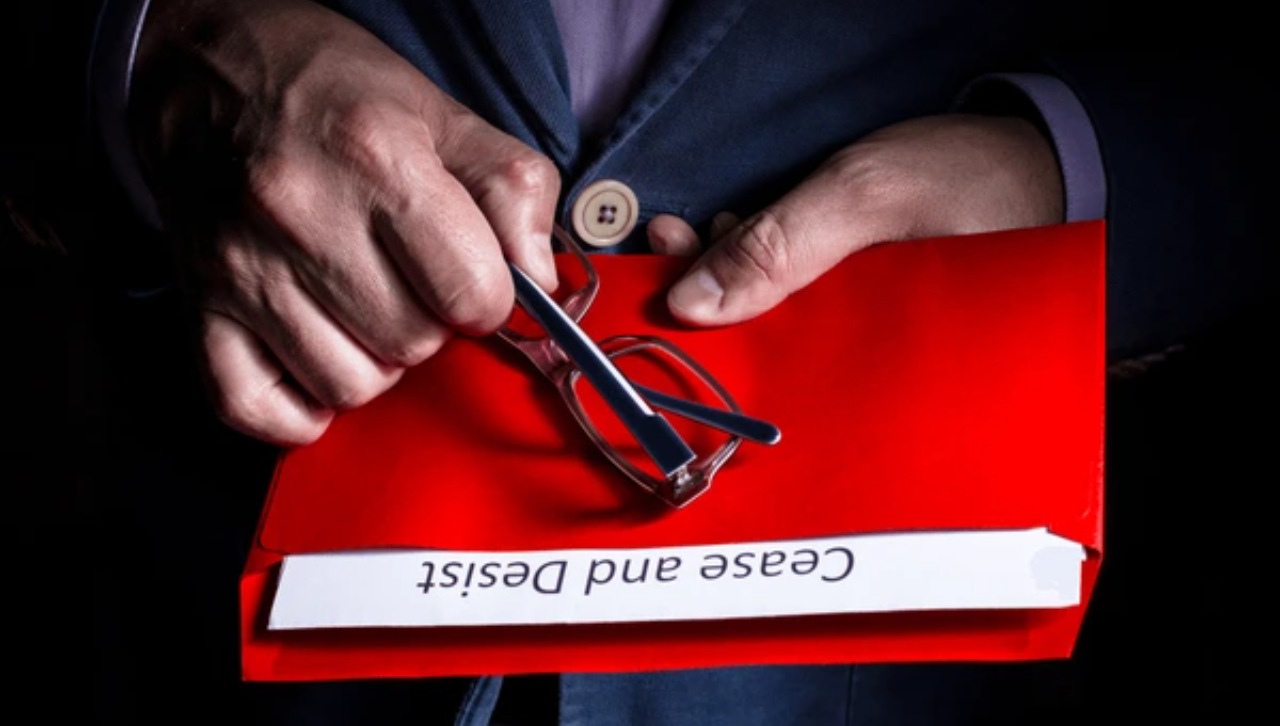
The Michigan Gaming Control Board (MGCB) has issued cease-and-desist orders to 33 offshore gambling operators, as well as sent a warning that even those registered with the state’s self-exclusion programs “are not protected on unlicensed sites.”
“Choosing to self-exclude is one of the hardest and most courageous decisions a person can make, and in Michigan’s legal market, that choice is respected,” MGCB Executive Director Henry Williams said.
“Offshore sites don’t respect it. They will take a deposit from someone who has asked for help, and the MGCB has no way to help that person get it back. These 33 letters put operators on notice that our residents are not an untapped market, and that anyone who thinks they can ignore our protections will hear from us.”
Following investigations conducted by the Michigan regulator, each offshore operator was found to be offering casino-style games, sweepstakes-style games or sports betting to residents without a state license.
The MGCB also cited statistics from the American Gaming Association (AGA), which found Americans wager $673.6bn annually on illegal and unregulated sites.
According to state gambling laws, operators licensed in Michigan are required to honor the Internet Gaming and Sports Betting Responsible Gaming Database, which lets players voluntarily ban themselves from online gaming.
Marking a recent victory for the MGCB, Coinbase Financial Markets agreed to pull its sports-related event contracts out of the state and close all remaining open customer positions by October 10.
As part of the agreement, the MGCB will not take enforcement action against Coinbase “so long as the company remains in compliance.”
The operator’s agreement with the MGCB follows a similar decision made by Robinhood on September 9, choosing to wait out ongoing legal disputes between state regulators and Kalshi.
The MGCB voted to renew the licenses of MGM Grand Detroit, MotorCity Casino and Hollywood Casino at Greektown in September, as each continues to ‘meet the high bar’ of state regulators