

























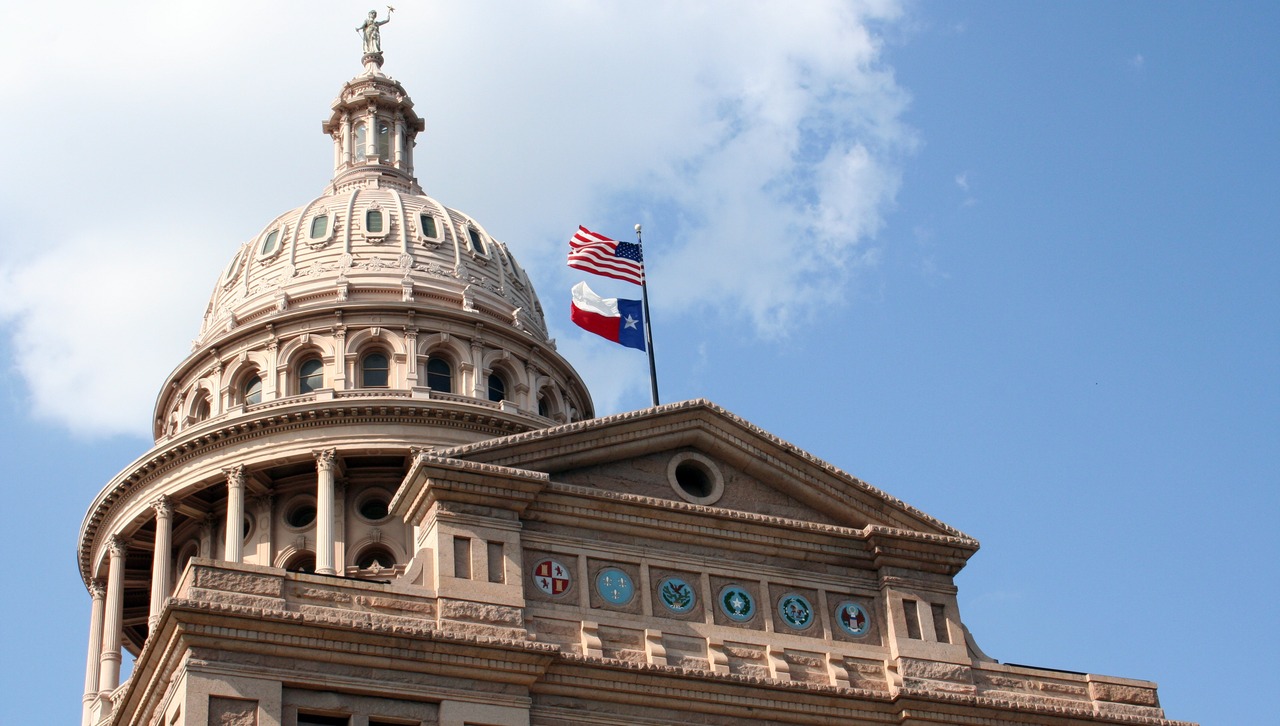
Texas lawmakers have filed two joint resolutions for the 2027 legislative session that would give voters a chance to consider regulated casino gaming and sports wagering.
Representative Charlie Geren filed House Joint Resolution 52 and Senator Carol Alvarado filed Senate Joint Resolution 11 on November 9.
Both introduced texts would permit the Legislature to authorize and regulate casino gaming and sports wagering through general law. That legislation would have to define the activities, require operator licenses and application fees and determine where gaming could take place.
Casino games would be restricted to licensed operators' physical premises in Texas.
Each proposal would limit casino gaming to no more than 10 licensed facilities and provide license terms of at least 40 years. The texts also set a ceiling of 15% on the tax levied on casino and sports wagering revenue.
Other taxes specifically targeting that revenue would be barred, while taxes generally applicable to businesses could still apply.
SJR 11 additionally calls for a state commission funded by lottery proceeds and gaming taxes and fees. It would regulate lotteries and authorized gaming, with investigative, enforcement and audit powers.
Both resolutions specify November 2, 2027 for a proposed statewide vote if they clear the Legislature. No gambling amendment has been placed on that ballot by these filings.
November 9 was the first day lawmakers could prefile legislation for the 90th regular session, which convenes January 12. The official histories of HJR 52 and SJR 11 list filing as the latest action. Neither has been referred to a committee or put to a legislative vote.
Texas law currently treats bets on the outcome of games or contests and play for money with gaming devices as offenses, subject to specified exceptions and defenses.
For a constitutional amendment to reach voters, two-thirds of the elected membership in each legislative chamber must approve it. A majority of voters would then have to support it for adoption.
Geren filed a similar House resolution in 2025, but it remained in the State Affairs Committee. Alvarado's broader Senate gaming proposal that year also stayed in committee. The latest resolutions therefore begin a new legislative attempt, with the required House and Senate supermajorities still to be assembled.
Global Gaming Insider examined the prospect of gambling expansion following the lieutenant governor's election on November 4, five days before the resolutions were filed. Our November 9 report covered casino executives' interest in Texas. The filings now give lawmakers two specific constitutional amendment texts to consider.
Both texts call for a process to negotiate Class III gaming compacts, on request, with any of the three federally recognized tribes that have Indian lands in Texas