




















Brazil's federally authorized betting operators generated BR$64.02bn ($11.3bn) in gross gaming revenue during the 18 months from January 2025 to June 2026, according to Finance Ministry data obtained by Poder360 through a freedom of information request.
Separately, the Health Ministry has simplified how people request gambling harm counseling through its public health app.
Customers deposited BR$341.3bn with licensed platforms over the period. Deposits measure money transferred to betting accounts, while gross gaming revenue represents stakes after prizes have been paid. Neither figure is a measure of operators' net profit and customers can reuse winnings for further bets.
The Finance Ministry extracted the figures on October 15. June was the final month in the dataset, which is based on information submitted by operators and remains subject to correction. In June, 9.64 million people made deposits, compared with 7.31 million in January 2025, according to the same records.
The aggregate therefore describes activity before the Brazilian Government's September prohibition of fixed-odds betting and online games, rather than the current market.
Provisional Measure 1,394/2026 stopped the offer, operation, intermediation and advertising of those products. Congress extended the measure for another 60 days in November while lawmakers consider whether to make the restriction permanent. Constitutional challenges also remain before the Supreme Federal Court.
Simpler access to gambling harm support
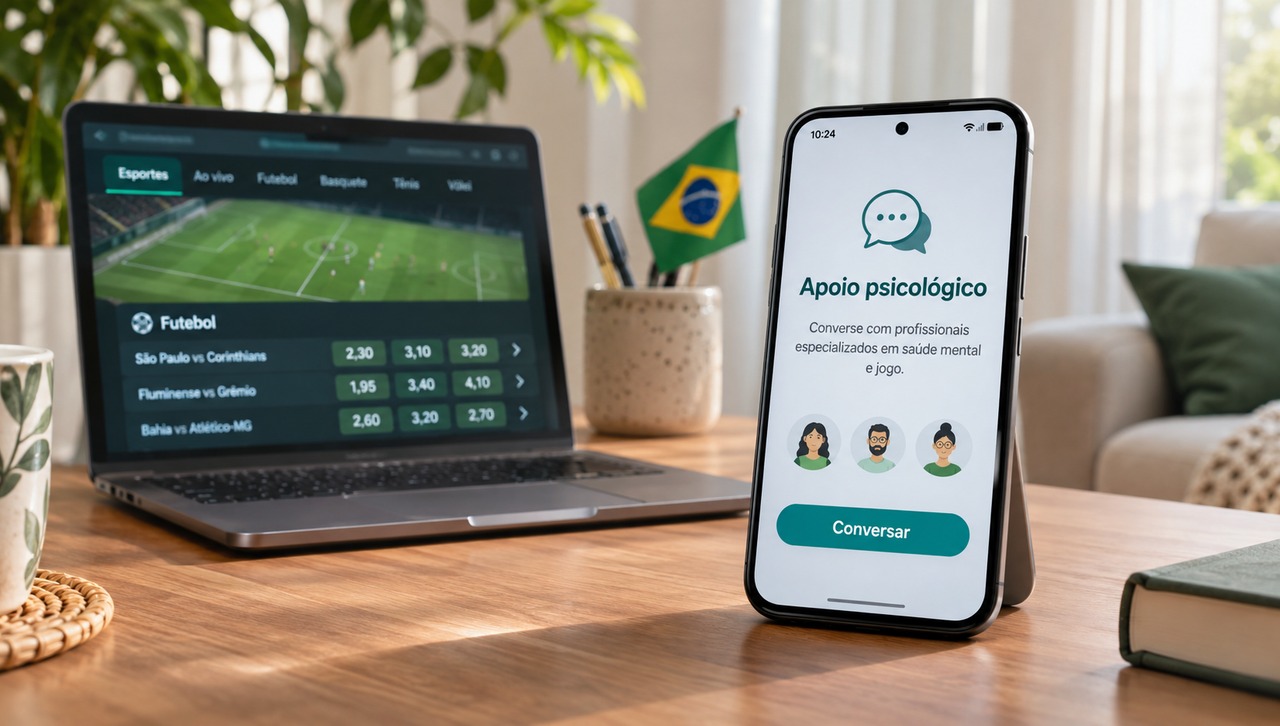
The Health Ministry's November 13 update concerns the Meu SUS Digital application. People seeking help with gambling or betting can now reach its Não Aposte Sua Saúde service with fewer steps. They register through the app, complete an intake form and select WhatsApp or email for a follow-up about scheduling.
The program offers an initial cycle of up to ten confidential video sessions, each lasting around 50 minutes. A further assessment determines whether remote care should continue or the patient should be referred to in-person services.
Its self-test, which can indicate whether someone should seek support, has recorded more than 170,000 accesses. That count records visits to the tool, not completed consultations or individual patients.
Brazil's public health network also provides face-to-face support through basic health units and specialist psychosocial care centers.
The new app route changes access to an existing service; it does not introduce a new treatment entitlement or report the number of people receiving care.
In May, Health Ministry officials reported a 140% rise in demand for gambling-related mental health services across the public health system over five years. The figure describes demand for care, while the newly published revenue data measure licensed betting activity during a different period.
The health service's self-test is available to the public and does not provide a clinical diagnosis