

















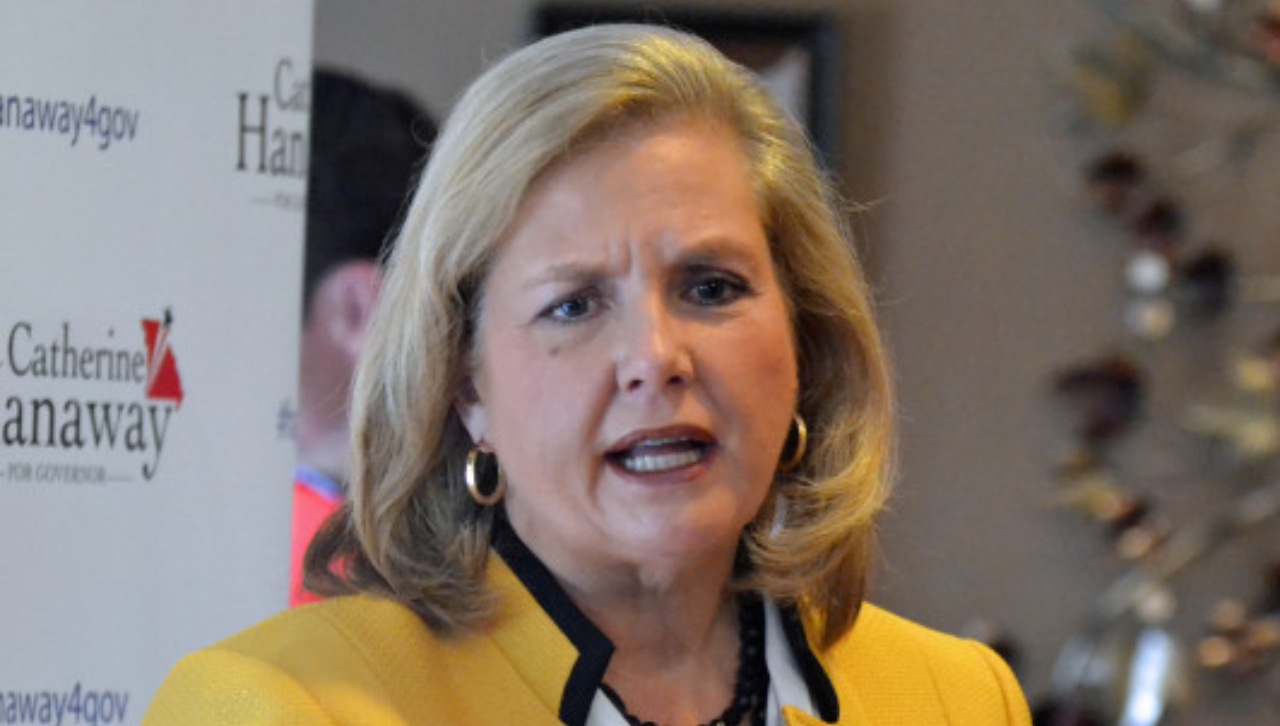
The State of Missouri and Attorney General Catherine Hanaway have reached an agreement with Torch Electronics, as the organization is set to pay $13m for operating illegal video gaming machines and will “suspend, remove or destroy” all such devices.
“We have to use prosecutorial discretion and resources, and we wanted to go after sort of the biggest and the baddest first. It’s a big deal. This is a big win for us,” Hanaway said.
A Federal judge in Missouri had previously ruled that Torch Electronic’s video gaming machines were illegal under state law when operated outside a licensed casino property. The organization then suspended all Missouri operations to avoid potential prosecution.
Video gaming machines operated by Torch Electronics at qualifying nonprofit organizations are exempt from the agreement, although each will have to maintain 501(c)(3) status.
“It does make a difference that the businesses that had these machines were putting the money in their own pocket as opposed to the VFW or the Elks Club, who are doing something good to support the community,” Hanaway continued.
The $13m collected from Torch Electronics will be issued to Missouri’s Classroom Trust Fund and distributed to eligible school districts.
Hanaway confirmed her office will continue looking into potential violations of the agreement, such as newly created nonprofits or convenience stores which save space for video gaming machines.
If Torch Electronics were to violate the newly formed agreement, the organization would then face an additional $6m penalty.
On November 11, Robinhood filed a lawsuit against the State of Missouri and Hanaway, following several cease-and-desist orders issued by the Attorney General on September 18.
As part of its lawsuit, the operator is seeking a temporary restraining order, preliminary injunction and permanent injunction against Hanaway and Missouri.
Hanaway issued cease-and-desist orders to six prediction market operators, including Robinhood, Crypto.com, Novig, Kalshi, Underdog and Polymarket.
Crypto.com and Novig filed lawsuits against Missouri regulators in Federal court on October 19, seeking to prevent the state’s enforcement of sports wagering laws against their sports event contracts