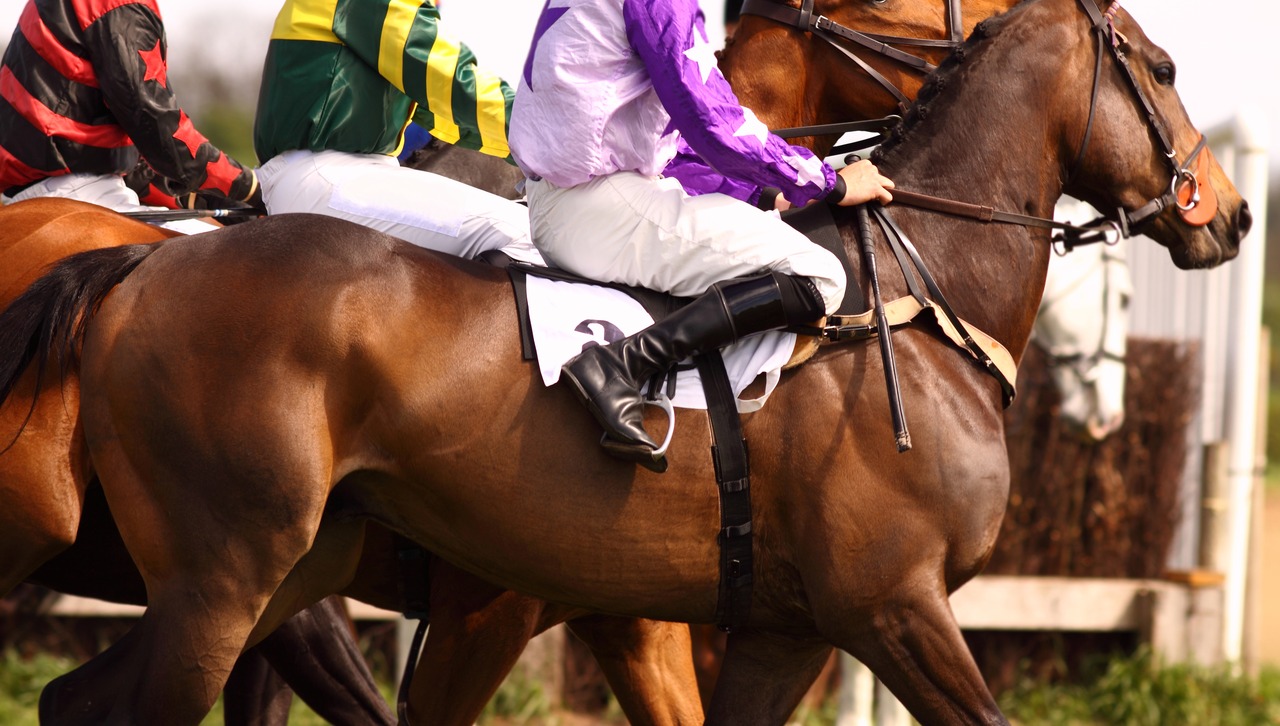
The 2026 Grand National is again expected to deliver a significant spike in betting activity, with fresh data from Ladbrokes pointing to a customer base that is largely driven by emotion rather than racing fundamentals.
Research based on 2,006 adults found that 32% of UK bettors will choose their horse based on the name alone. Only 18% said they would look at form, indicating that most Grand National wagers are influenced by factors unrelated to performance.
The same dataset shows that 15% of respondents back a runner because the name made them laugh, while 17% select a horse due to a personal connection, such as sharing a name with a friend or family member. A further 8% said they are influenced by colours or jockey silks.
For operators, that behaviour reinforces the Grand National’s position as a once-a-year entry point for casual customers.
James Knight, Entain Director of Racing Trading, said: “For many customers, what drives the bet is often the horse’s name or the colour of the silks, rather than its form.”
Knight added: “Horses with human-sounding names consistently attract outsized interest.”
Names such as I Am Maximus, Oscars Brother, Johnnywho and Gorgeous Tom have been identified as likely to draw attention from this segment of bettors.
Ladbrokes’ regional breakdown also points to variation across the UK. Liverpool recorded the highest level of sentiment-driven betting, with 42% choosing based on a meaningful name, compared with 28% in London.
Manchester showed the strongest tendency to back humorous names, with 21% of respondents selecting the funniest option on the racecard.
Westminster charity bets highlight political engagement
Alongside consumer betting patterns, the Betting and Gaming Council (BGC) has again used the Grand National to run its annual charity bet campaign, involving MPs from across the political spectrum.
The trade body said more than 65 parliamentarians have placed a £50 ($67) charity bet through their local betting shops, with winnings directed to causes chosen by each MP. If the selected horse does not win, BGC members will instead donate £250, ensuring a guaranteed contribution.
Early selections among MPs include Panic Attack and Johnny Who, with Defence Secretary John Healey opting for Final Orders. Shadow Culture Secretary Nigel Huddleston selected I Am Maximus as his runner.
Huddleston said: “Financial Risk Assessments should only proceed if they are genuinely frictionless.”
He added: “If the regulated market is squeezed too hard, whether through excessive checks or tax, it will drive people towards the unregulated market.”
The campaign has become a recurring feature in the run-up to the race and continues to provide visibility for betting shops, while also raising funds for local charities. The BGC said last year’s initiative generated more than £15,000 for a range of causes.
Commercial and regulatory context ahead of Aintree
The Grand National remains one of the most prominent events in the UK betting calendar, attracting millions of viewers and a high volume of casual participation.
For operators and suppliers, the race serves both as a peak trading period and as a platform for broader industry messaging. The combination of high engagement, retail activity and political participation creates a focal point that extends beyond racing itself.
This year’s sporting narrative has also shifted in the final days before the race, with defending champion Nick Rockett ruled out after being declared a non-runner. The race is scheduled to take place at Aintree on Saturday 11 April, concluding the three-day festival.
The BGC has also recently focused on internal industry standards through its DEI Statement of Principles, published ahead of International Women’s Day. The framework outlines commitments to fair opportunities, wellbeing and respectful workplaces across the sector, providing additional context to its public-facing activity around the Grand National.
The Grand National is run over approximately 4 miles and 2½ furlongs, with 30 fences jumped across two laps of the Aintree course