
Turkey’s approach to tackling illegal gambling appears to be entering a more aggressive phase, with discussions now extending beyond operators to players themselves. Alongside existing penalties for running illegal betting networks, authorities are reportedly considering whether participation alone should carry potential prison sentences. The move reflects growing frustration over the scale and resilience of the black market.
Global Gaming Insider looks back at what led to this shift.
How organised have illegal gambling networks become in Turkey?
In August 2024, Turkish law enforcement uncovered a large-scale illegal online gambling operation across 13 provinces. The network was highly sophisticated, with separate departments covering management, customer support, call centres, bonus control, marketing, recruitment and software development.
The findings showed how structured illegal gambling operations in Turkey have become, operating more like professional businesses and requiring cross-border enforcement.
Illegal gambling groups also targeted legally operated land-based shops. According to a shop owner interviewed by CNN Türk in 2024, criminal organisations issued threats and would use language such as “you reported us,” warning businesses not to cooperate with authorities. In some cases, these threats escalated into violent attacks on premises and shootings.
The illegal gambling market shows no signs of slowing down
The illegal market is not slowing down (and, as we know, this is not unique to Turkey)... Earlier this month, Turkish authorities detained 111 suspects in coordinated raids across 41 provinces during an investigation into illegal betting and money laundering. According to the Financial Crimes Investigation Board (MASAK), the network was linked to an estimated transaction volume of TL 35.86bn ($789m).
As per recent data, between 2006 and 2026, a total of 585,645 illegal websites were identified and 555,574 were blocked. Despite this, criminal networks continue to re-emerge using new domains and mirror sites.
Some estimates now suggest illegal gambling may exceed $40bn in economic impact, including addiction and wider social harm.
Is illegal gambling contributing to rising addiction cases in Turkey?
In 2024, the number of people seeking help for gambling addiction at National Yeşilay Counselling Centres (YEDAM) exceeded those seeking help for alcohol and substance abuse.
Gambling addiction began to be increasingly featured in local media, with attention turning to a rise in reported cases. Meanwhile, authorities linked the growth of the illegal market to rising addiction levels.
Under current law, operators face prison sentences of three to five years, while players are fined between TL 100,000 and TL 400,000 under the Misdemeanours Law
As concern mounted, lawmakers faced pressure to respond, with calls for stronger enforcement and tighter legislation gaining momentum across regulatory circles.
Strengthening enforcement and financial disruption measures
At the end of 2025, responding to concerns, former Justice Minister Yılmaz Tunç outlined a series of measures targeting illegal gambling, referencing the ‘’Action Plan for Combating Illegal Betting, Games of Chance and Gambling in Digital Environments.’’
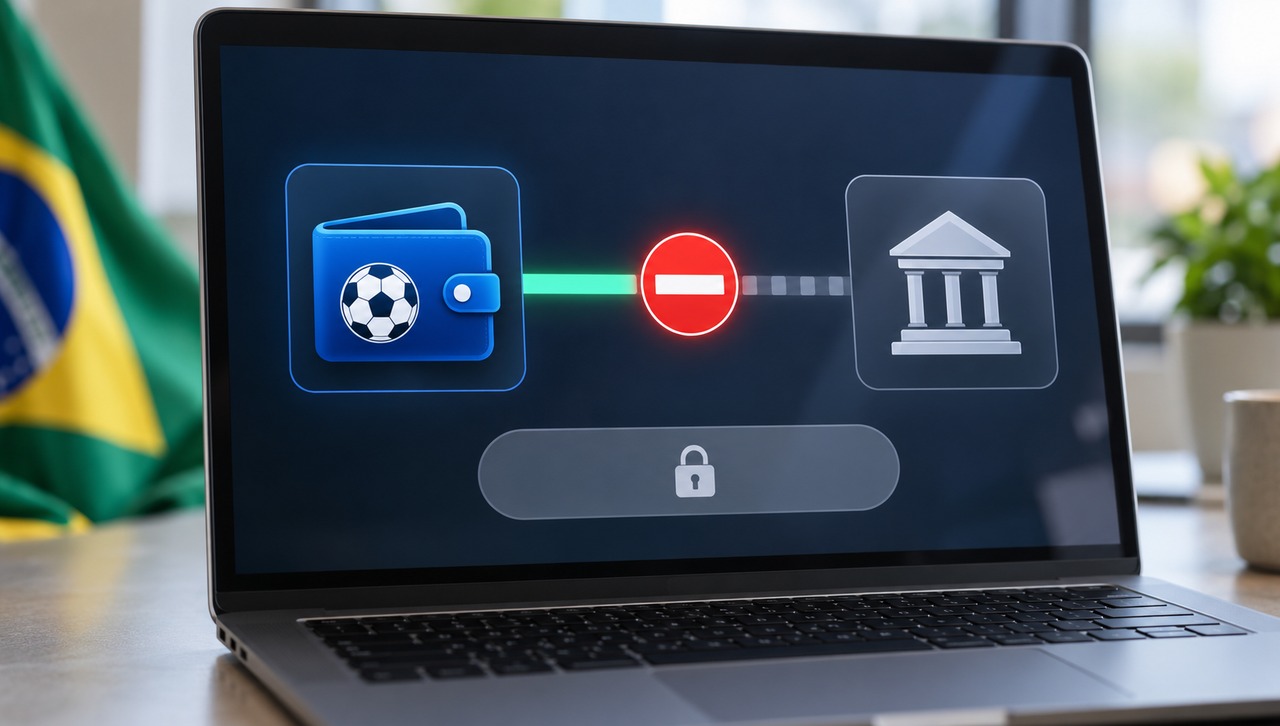
The 11th Judiciary Package introduced expanded powers, including suspension of suspicious bank accounts for up to 48 hours, immediate seizure of illicit gains and direct restitution of funds to victims.
Under the package, banks are required to provide requested documents within ten days, while electronic payment accounts must undergo biometric verification and mobile subscriptions require electronic identification.
This initiative signalled a clear determination from authorities to intensify the fight against illegal gambling by targeting not only operational activity but also the financial infrastructure behind it.
Justice Minister orders nationwide crackdown on illegal gambling
Fast forward to 2026, earlier this month, Turkey’s Justice Minister Akın Gürlek ordered a nationwide crackdown on illegal gambling, drug trafficking and organised crime.
Gürlek, who took office on 11 February 2026, said prosecutors across all 81 provinces have been instructed to apply the toughest sanctions. He added that investigations are being closely monitored.
He stated: “When I took office, I emphasised my determination to combat illegal betting, street gangs, drugs and online gambling. I have sent a special directive to the chief prosecutors in all provinces. I want this pursued to the very end.”
Taken together, all of these developments suggest the issue has reached a tipping point.
If all else fails, could prison sentences for illegal gambling players be introduced?
Despite extensive policing, site blocking and financial crackdowns, Turkey illegal gambling problem persists.
According to local media, the lawmakers are now reportedly planning stricter regulations, including possible prison sentences for players.
Under current law, operators face prison sentences of three to five years, while players are fined between TL 100,000 and TL 400,000 under the Misdemeanours Law. The aim of the new rules is to increase deterrence.
Has Turkey exhausted its enforcement options to the point where it is now considering imprisoning players, and will these measures actually be enforced strictly enough in practice to act as a genuine deterrent to the black market?
A growing global trend towards increased individual liability in enforcement?
Recently, the Austrian Supreme Court (OGH) ruled that the management of unlicensed online casinos can be held personally liable for player reimbursement claims.
In the United States, a US Army soldier has been charged in connection with an alleged scheme involving the use of classified information to profit from prediction market bets on Polymarket.
Taken together, with the latest Turkish proposal, these developments suggest a shift towards stricter personal accountability for individuals involved in gambling-related offences, not just operators.
Global Gaming Insider will be exploring this idea more closely soon, so stay tuned!
Earlier this month, Turkey blocked 15 social media accounts over illegal gambling promotion