






















The premise seems simple: “Just make a product the public will like.” But, much like earthquakes, this task has gotten no easier to predict over the last few decades. At times, the fickleness of audiences has haunted marketing teams around the world...
Rather than inventing new cardstock that creates a 3D illusion or signing an expensive licensing deal to drive product sales, the New Jersey Lottery decided to take a step back and ponder what sort of product would appeal to their specific players.
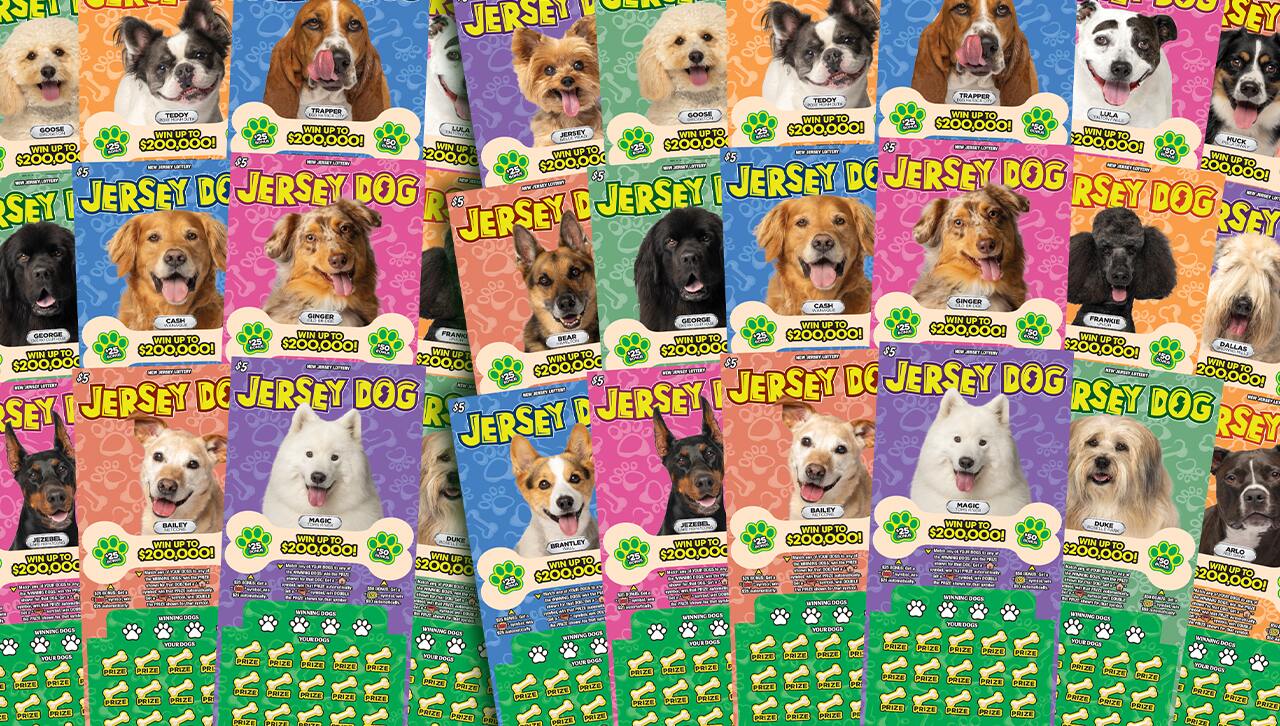
And what is more appealing than an adorable line-up of fifty local dogs, each with their own paw-fessional photoshoot?
How do the scratchcards work?
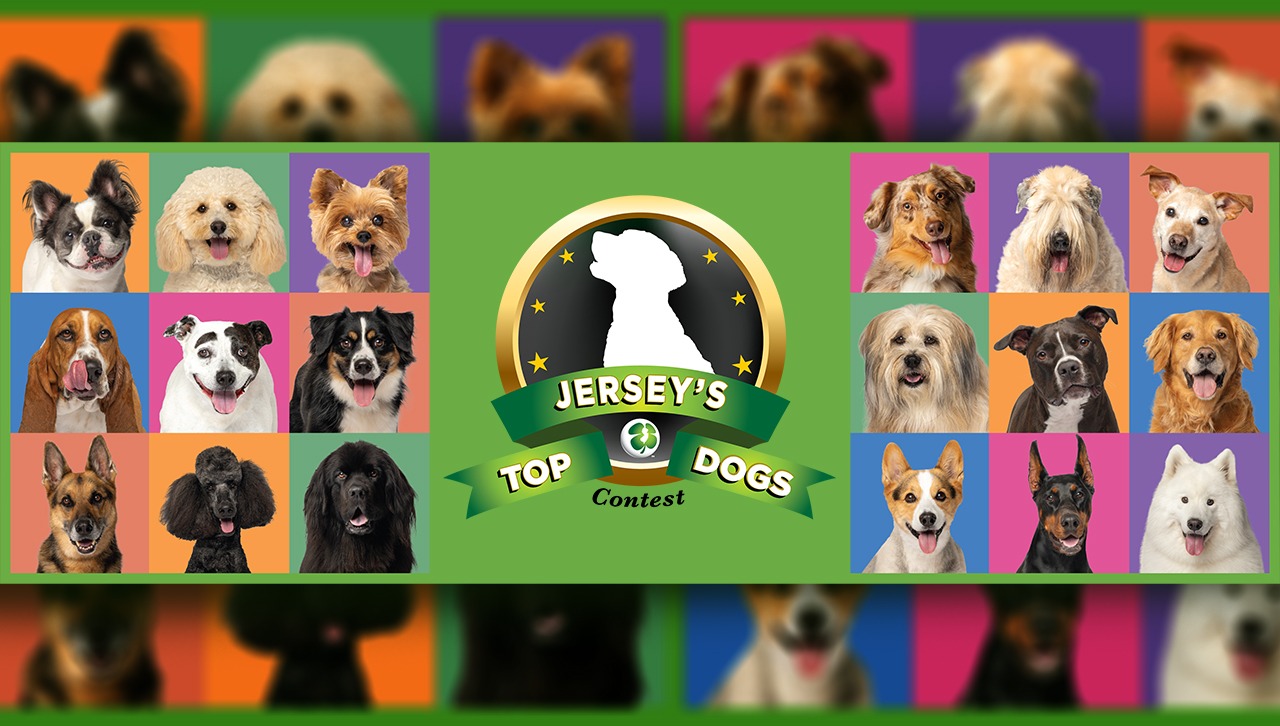
The New Jersey Lottery hosted a contest that asked locals to send in pictures of their dogs, which understandably saw thousands of entries from across the state.
These were eventually narrowed down through a public vote to 50 tail-wagging finalists, with 18 “Top Dogs” selected as the ultimate winners.
The pups got their photo taken by a professional so they could be created into artwork for the scratchcards, with each portrait accompanied by their name and hometown.
Players can then scratch off the bone icons on the lower half of the card to reveal if they have won a prize.
After all, would you not buy a scratchcard if you knew the dog on it?
Why is this so special?
Not only is this the first time that canine imagery has been used on scratchcards like this, but it is also the debut of resident-led content for the products.
This design creates an immediate connection with the potential player base. Considering how many entries there were, it is likely that potential players across the state know somebody (or some dog) that participated in the event, even if they did not win.
If this is true, the New Jersey Lottery is not even relying on people buying the scratchcards out of impulse once they see them at the checkout. They have created a product that the public is aware of and may even seek out for themselves to feel more connected to their local community, just by purchasing it.
And that is a fascinating concept for a gambling product.
What could we learn from this?
While this has the potential to lead to sustained sales for the duration of the marketing period, it also presents a great opportunity to introduce new audiences to a product that they may not have tried before. After all, would you not buy a scratchcard if you knew the dog on it?
This is hardly an initiative that could be implemented across the industry, though. It is certainly not a one-size-fits-all deal. A leading slot provider might not get the same results if they run a similar competition, mainly because of their global appeal – but then, you never know!
While cat and dog food companies have run promotions in the past that encouraged customers to send in pictures of their pets, this is certainly unique to the gambling industry, and has been received with great fanfare.
Lula of Tinton Falls and Teddy of Port Monmouth were some of the favorites from the Global Gaming Insider office