









Leading a multi-billion-dollar organization is brutal.
Here today as a market leader, gone tomorrow as a market memory. That is simply the nature of the corporate beast.
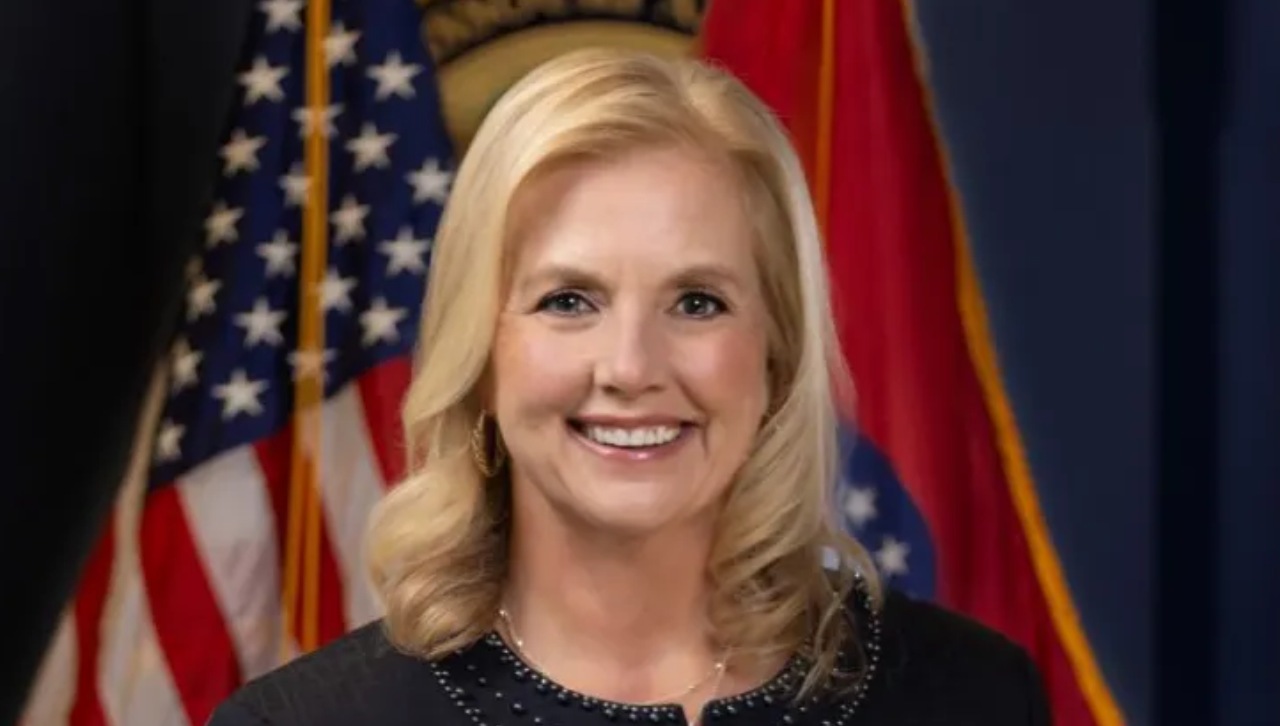
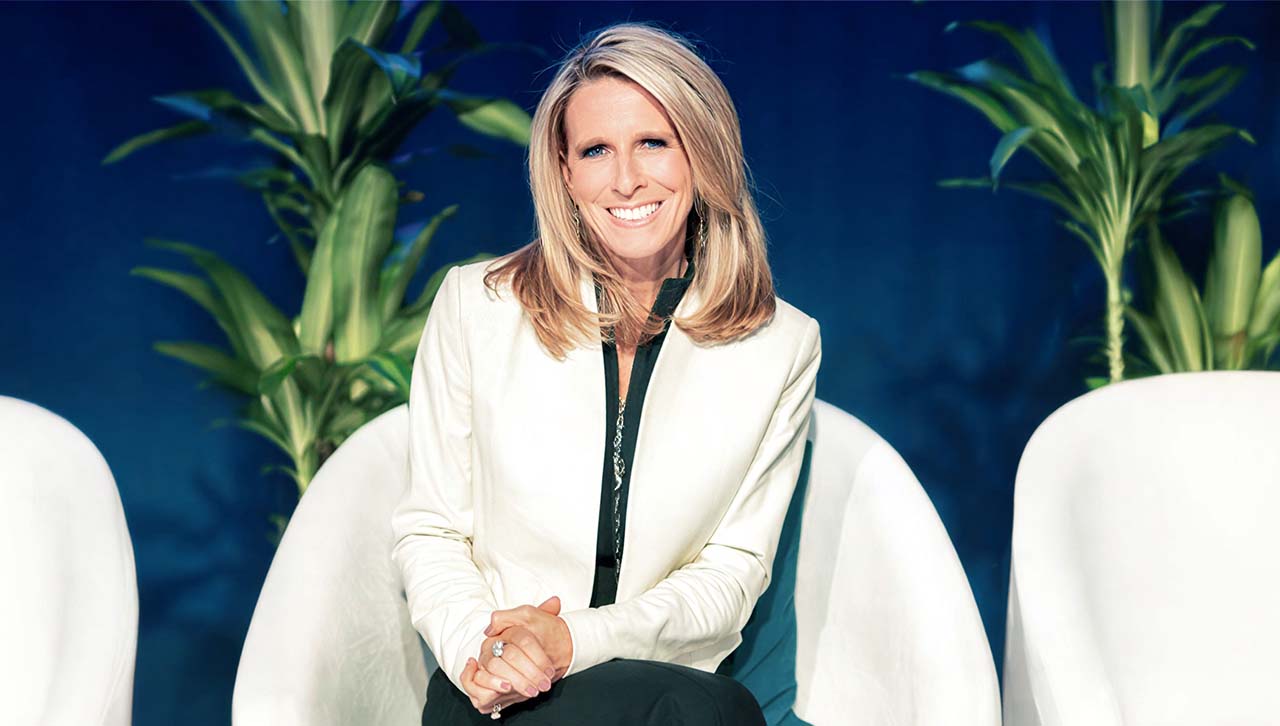
Four and a half years ago, I sat down with Amy Howe to discuss her life story as she embarked on a “once-in-a-career opportunity” at FanDuel.
Yesterday, her exit from the role was announced with a four-and-a-half million-dollar severance package ($4.37m to be exact).
Christian Genetski has been named Howe’s successor, despite the fact parent company Flutter Entertainment was able to report a 17% increase in Q1 revenue, to $4.3bn.
But the bigger number, of course, is the near-60% fall in Flutter’s share price over the past year.
With a market capitalization that has more than halved, the time for change – according to Flutter CEO Peter Jackson during the operator’s Q1 call – was ripe. Given that share price tumble and the fact prediction market rivals, particularly Kalshi and Polymarket, have surpassed Flutter’s size with private valuations as high as $22bn, many onlookers may agree.
Howe, though, led FanDuel ably – and made history while she was at it.
How the FanDuel CEO became a post-pandemic pioneer
As a three-time consecutive winner at the Global Gaming Awards Americas, Howe was the first-ever back-to-back Executive of the Year in 2022 and 2023. In 2024, she went and defended it again.
When she spoke to me for our CEO Special in 2022, she described both her personal and professional life as a series of “sliding doors” moments, the importance of finding your voice in business and always “staying humble, staying hungry.”
The quickfire nature of this industry is best summed up by another CEO Special interview, when Flutter CEO Jackson told me in late 2024 that Howe was doing a “tremendous job.” The highlight of reaching #1 in the US online casino market, in particular, had propelled her reputation.
Howe came to FanDuel as an already-established leader; she was a problem solver for Ticketmaster during the Covid-19 pandemic and brought a strong reputation from McKinsey (where she worked with her twin sister).
She was and still remains a true competitor by nature.
As Global Gaming Awards Event Lead Mariya Savova pointed out on our Shortlist Show for the Global Gaming Awards, Howe came to this sector as an outsider. And yet she was not only embraced by gaming – she quickly made her mark.
Howe was a trailblazer for diversity. She told me she was “very excited about bringing much-needed diversity to the industry.” During Howe’s time at Ticketmaster, 40% of the organization was female and, in a male-dominated industry, Howe stood out for her achievements.
Her appearance on the Huddle told us more about her leadership style, while keynote presentations at G2E in Las Vegas demonstrated an audience-pleasing on-stage rapport with DraftKings CEO and chief competitor Jason Robins.
With external market factors not-so-gently knocking at the window of change, it is exactly the right moment for Howe herself to hand over
Would more iGaming states have changed FanDuel's trajectory?
But if there is one regret Howe will have looking back at her FanDuel career, it would be an external one: the sliding doors moment that never came.
Indeed, with FanDuel having become US online casino market leader under Howe’s stewardship, the brand was poised for scale.
Jumping to number one was no mean feat, either. Both DraftKings and BetMGM – which makes the majority of its revenue from iGaming as opposed to online sports betting – were ahead of FanDuel . The development of FanDuel Casino didn’t just keep a sports betting leader at number one, therefore, it meant Howe's strategic direction had taken the brand forward in a new area.
So how different might FanDuel’s position be now if, say, five or more states had legalized online casino?
This is, of course, a true hypothetical – as the dearth of legal online casino states in the US is a story we’ve heard since time immemorial. Howe, though, could easily ponder that a few ‘swing states’ may have kept the pressure of prediction markets at bay.
Many have speculated that, in a US gaming landscape with more legal iGaming states, Flutter’s overall stock would flourish. FanDuel would be in prime position to capitalize.
As it was, a lack of online casino paved the way for FanDuel to face a new threat. One that, despite partnering with a $104.5bn firm in CME Group to launch its own platform, FanDuel is yet to deal with.
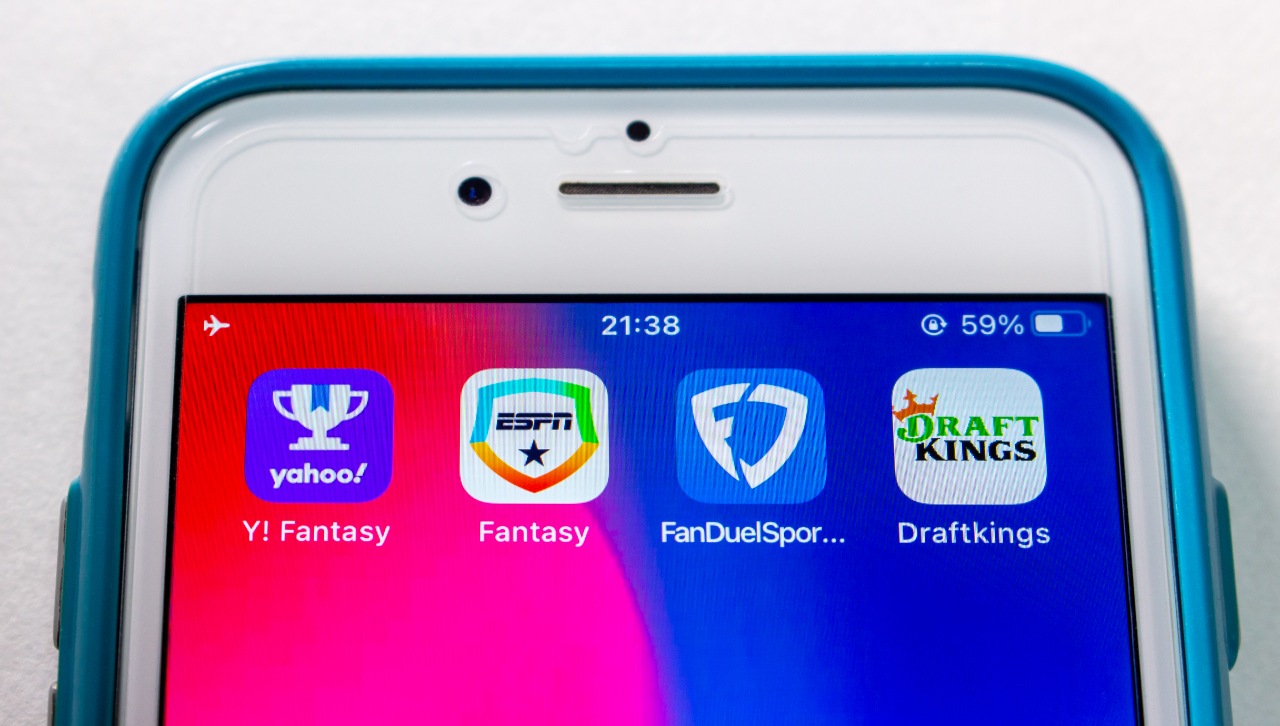
During a simpler time for relatively unchallenged sportsbooks, FanDuel and DraftKings led the way before Kalshi and Polymarket had become household names
How stock markets and prediction markets both worked against FanDuel
Anyone assessing Howe’s Flutter departure need only look at the numbers. Its stock has fallen around 60% over the past 12 months.
That is no small figure for a firm that once boasted over $30bn in market capitalization. Especially as parent company Flutter primary listed in the US, ultimately placing most of its eggs in one American basket.
A quick verdict will suggest Howe has paid the price with her job.
Prediction markets generate headlines daily on Global Gaming Insider. Today, it is simply the norm.
That, though, was not the norm when FanDuel was flying highest. As prediction markets made their move into sports – and across the US at a federal level – sports betting giants like FanDuel and DraftKings were seeing a comfortable position at the top erode very quickly. Minor linguistic points in US law were ultimately costing Flutter billions in share value.
It is arguable that Howe’s exit is the highest-profile departure so far caused by this changing of the guard. Times have changed – and Flutter felt the timing was “right” for new leadership.
Interestingly, Dan Taylor now holds the role of Flutter Entertainment President – with oversight over FanDuel, creating a closer link between the US brand and the rest of Flutter’s core organization.
How do we reflect on Amy Howe’s FanDuel legacy?
So while the time may have been right for a FanDuel refresh, with external market factors not-so-gently knocking at the window of change, it is exactly the “right moment” for Howe herself to hand over. She leaves “strong foundations for future growth” and holding “great confidence in the future of FanDuel.”
After all, five years at the top of any industry – let alone the dynamic, fast-paced and controversial sector that is gambling – would be enough for many. More than enough for most.
Howe arrived at FanDuel at a time when the brand was conquering the competition. Under her watch, new inroads were made into online casino, Howe’s personal leadership was repeatedly recognized and FanDuel’s sports betting product went from strength to strength.
As I wrote in late 2025, a new wave of competition will remind FanDuel of itself. The brand used to be the regulatory and technological disruptor; now it faces Kalshi, Polymarket and co as the older, more established incumbent.
But battling that wave is now the job of Genetski, Taylor (more so than before) and Jackson – the same as ever.
Howe will no longer have to lead that charge. And, really, that’s a respite she has actually been earned. Howe was an industry outsider who adapted quickly, led from the front and left an indelible mark.
She may rue Flutter’s dramatic stock fall – and there may be a certain irony that a former events industry CEO has been impacted so heavily by event contracts. Howe, though, won’t be the only one who is yet to crack the prediction market puzzle. She leaves with a seven-figure severance package – but leaves behind an equally rich legacy.
Inspired Entertainment and Paddy Power have signed a long-term contract extension, reminding us that other Flutter brands outside FanDuel do still exist!