The Arizona Department of Gaming has announced the launch of a new peer support and recovery services program aimed at helping residents affected by problem gambling.
The program will be delivered through Dezerve Counseling LLC, a Phoenix-based outpatient treatment provider, which was selected following a competitive request-for-proposal process.
Under the agreement, Dezerve Counseling will develop, launch, and manage the initiative on behalf of the department’s Division of Problem Gambling.
According to the department, the program is designed to complement existing clinical treatment options by introducing peer-based support rooted in lived experience.
Participants who enroll will be matched with trained specialists who have firsthand experience with gambling-related harm, either personally or through close family or friends.
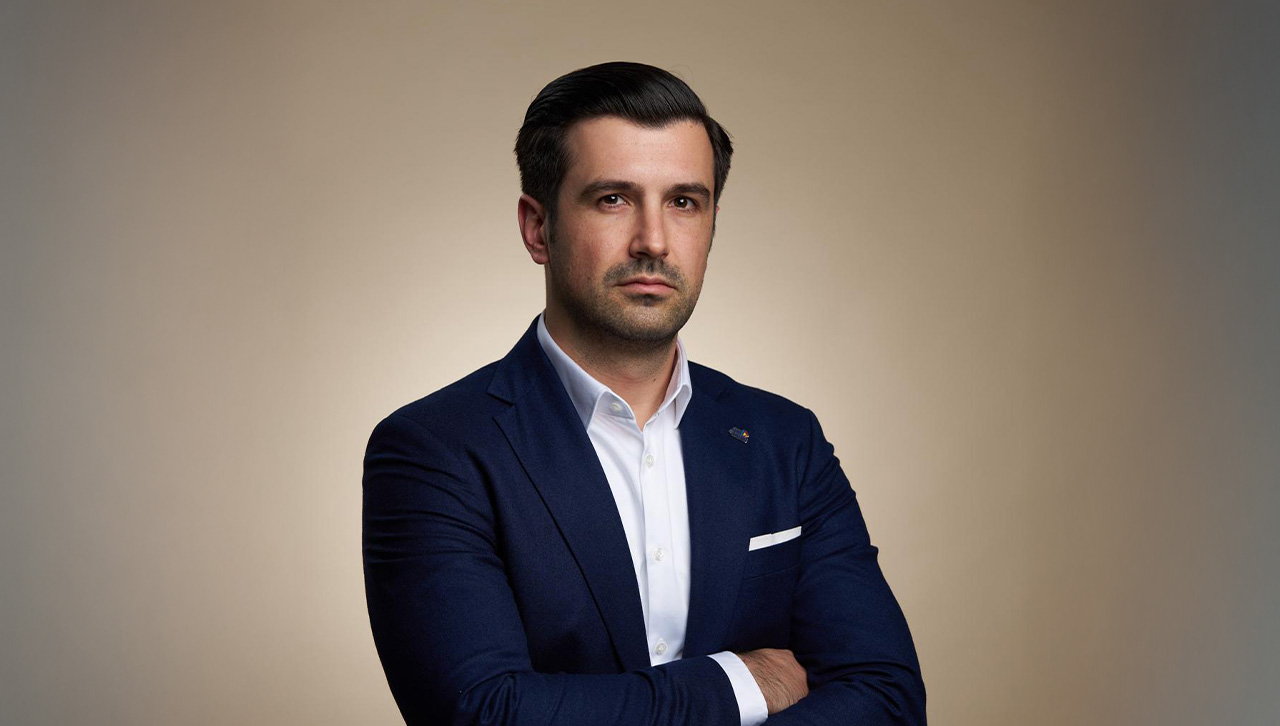
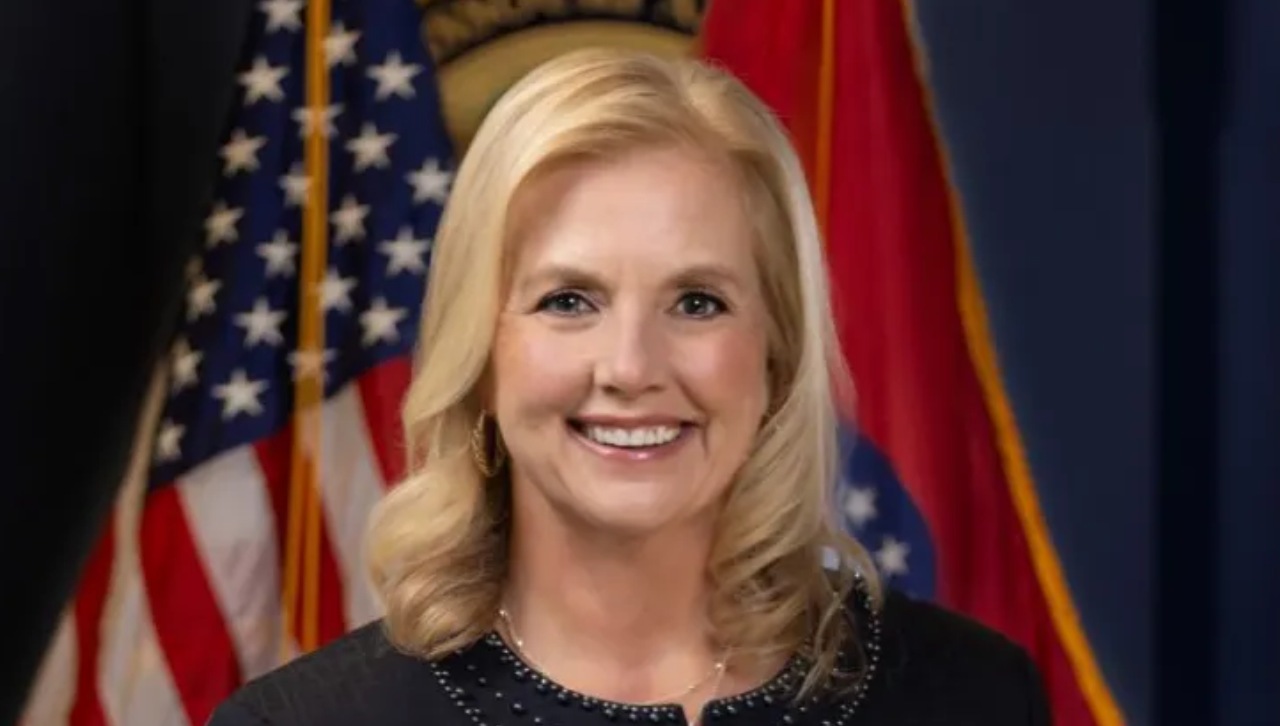
Division of Problem Gambling Director Elise Mikkelsen said the initiative expands the state’s recovery framework.
Mikkelsen commented: “Creating an additional pathway to recovery for Arizona community members negatively impacted by problem gambling is exciting for our agency and the people we serve.”
The peer specialists will provide confidential, one-on-one guidance from a non-clinical perspective, offering practical support alongside emotional understanding.
The department said this approach is intended to reduce barriers to seeking help, particularly for individuals who may be hesitant to engage with traditional treatment settings.
The program will be available statewide and will offer flexible access options, including in-person, virtual, and telephone-based sessions.
Both individual and group support formats will be provided, allowing participants to choose the level of engagement that best suits their needs.
Arizona officials confirmed the service will be offered at no cost to participants, with no insurance requirements. The program is expected to launch in the spring, and recruitment is currently underway for qualified peer support specialists.
Individuals interested in participating or applying to become a specialist can access information through the state’s problem gambling helpline and online resources.
The launch comes as regulated gambling continues to expand across the US, prompting regulators and public health agencies to invest in diversified harm prevention and recovery tools beyond traditional counseling models.
In December 2025, Vermont announced a free, 10-week problem gambling training program for mental health and substance use treatment providers. The initiative offers continuing education credits and certification eligibility, reflecting a growing focus on workforce development and lived-experience-informed care in gambling harm prevention.
Separately, several states have expanded self-exclusion and support infrastructure, including Wyoming’s recent participation in the National Voluntary Self-Exclusion Program.
Arizona’s problem gambling resources are accessible via 1-800-NEXT-STEP, text messaging, and the state’s dedicated online portal, which centralizes treatment, recovery, and prevention services