





Prediction markets operator Kalshi has filed an emergency motion to stay a preliminary injunction that would require it to halt sports event contracts in Massachusetts, as the company prepares to appeal a ruling sought by state authorities.
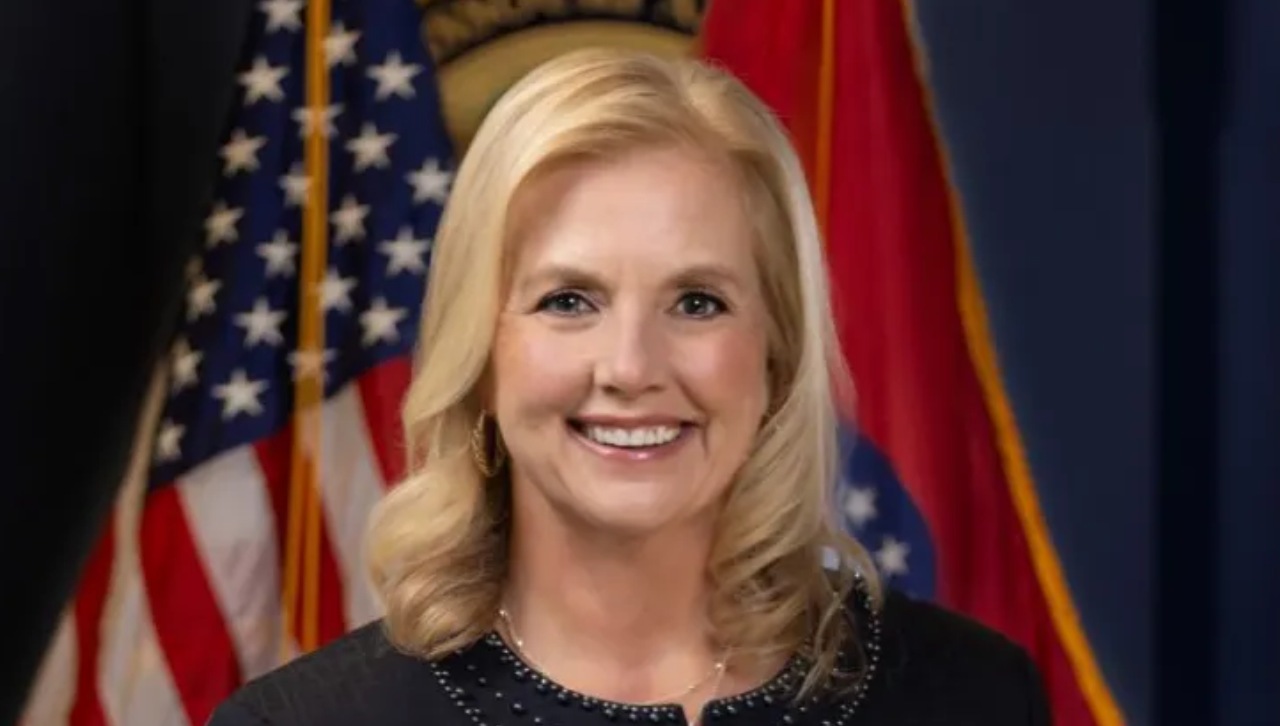
The motion was submitted on Friday after Suffolk County Civil Court Judge Christopher Barry-Smith granted a preliminary injunction at the request of Massachusetts Attorney General Andrea Campbell, who brought the case in coordination with the Massachusetts Gaming Commission (MGC).
The injunction would force Kalshi to take its sports-related contracts offline in the state while litigation proceeds.
During a hearing on Friday, representatives from the Attorney General’s office said the state was not seeking to unwind completed transactions but aimed to prevent future trading activity related to sports contracts, arguing that such offerings function as sports wagering under state law.
Kalshi argues that enforcing the injunction would cause “irreparable harm”, prompting the emergency motion alongside its planned appeal.
Barry-Smith indicated he would not put the injunction into effect until receiving additional correspondence from both parties, allowing Kalshi to continue offering sports event contracts in Massachusetts in the interim.
At the center of the dispute is whether Kalshi’s products fall exclusively under federal oversight. The company maintains that its contracts are regulated derivatives governed by the Commodity Exchange Act (CEA), which assigns authority to the Commodity Futures Trading Commission (CFTC).
However, Barry-Smith stated in earlier proceedings that the CEA is intended to operate alongside state laws rather than override them.
In its emergency filing, Kalshi pointed to recent comments from newly confirmed CFTC Chairman Michael Selig, who has emphasized a regulatory approach focused on minimal intervention. Kalshi argues that additional state-level requirements conflict with this framework.
The company also raised concerns about geolocation requirements that would take effect if the injunction is enforced.
Kalshi said implementing geofencing technology could cost millions of dollars annually and would need to be deployed within seven days, a timeline its legal counsel described as technically unfeasible.
Barry-Smith is expected to revisit the case in the coming weeks. If the stay is denied, Kalshi has indicated it will pursue an appeal.
The dispute mirrors similar legal battles elsewhere. Kalshi continues to contest restrictions in Nevada, where it has remained operational despite a district court declining to maintain an earlier injunction. Crypto.com faced a comparable ruling in Nevada, ultimately exiting the state.
Earlier this month, Kalshi appointed Blake Bee as Director of State Government Relations, a move seen as strengthening its policy and regulatory engagement as the company faces mounting legal challenges across multiple US jurisdictions.
Kalshi is currently involved in regulatory disputes or litigation in several states, including Tennessee, New York, and Illinois, as scrutiny of prediction markets continues to intensify nationwide