Evoke has confirmed plans to close a number of William Hill betting shops in the UK, citing increased cost pressures and changes to the regulatory and tax environment.
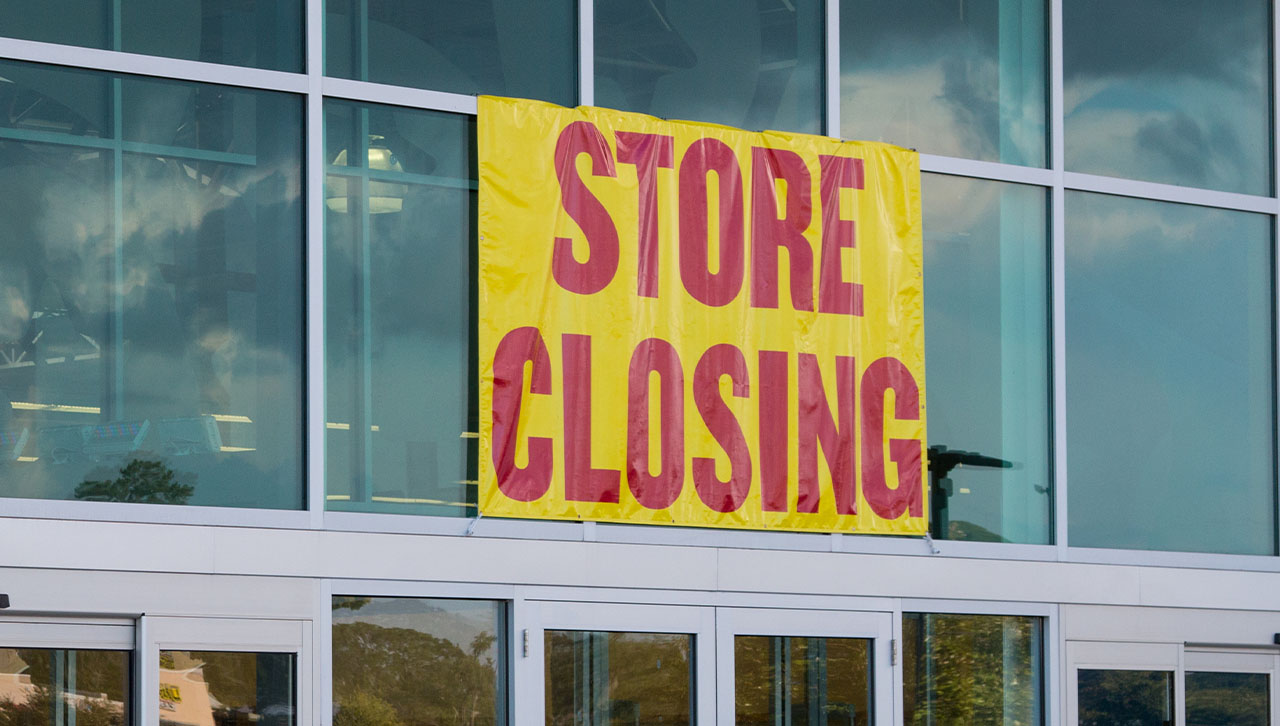
The operator said the decision follows a review of its retail estate, with certain locations identified as no longer financially sustainable. Closures are expected to begin from May.
An Evoke spokesperson told Global Gaming Insider: “Following a thorough review and further to increased cost pressures on the regulated sector including significant tax increases announced by the Government in last year’s Autumn Budget, from May we are closing a number of shops that are no longer sustainable.”
The spokesperson added: “These decisions are never taken lightly, however in the face of rising cost pressures we must take action to ensure we can continue to invest in our core retail estate, with the right shops, in the right locations.”
Evoke stated that support will be offered to employees affected by the closures, though it did not specify the number of shops involved or the total number of roles impacted.
The move reflects wider pressures facing land-based betting operators in the UK, where rising operational costs, regulatory requirements and tax changes have contributed to ongoing adjustments within retail portfolios.
William Hill, which operates both online and retail betting services, has maintained a high street presence across the UK for decades. The latest closures form part of an effort to reshape its retail footprint in response to shifting market conditions and cost structures.
The UK betting sector has undergone several rounds of shop closures in recent years, driven by a combination of regulatory measures such as stake limits on gaming machines and broader economic factors affecting physical retail.
In December 2025, Evoke announced it would undertake a strategic review that could result in the sale of the group or parts of its business, with Morgan Stanley & Co. International and Rothschild & Co appointed as advisers.
The review followed a 5% year-on-year increase in Q3 revenue but was influenced by changes linked to the UK Budget and broader cost pressures.
The UK’s Autumn Budget introduced tax changes affecting gambling operators, contributing to higher operating costs across the regulated sector