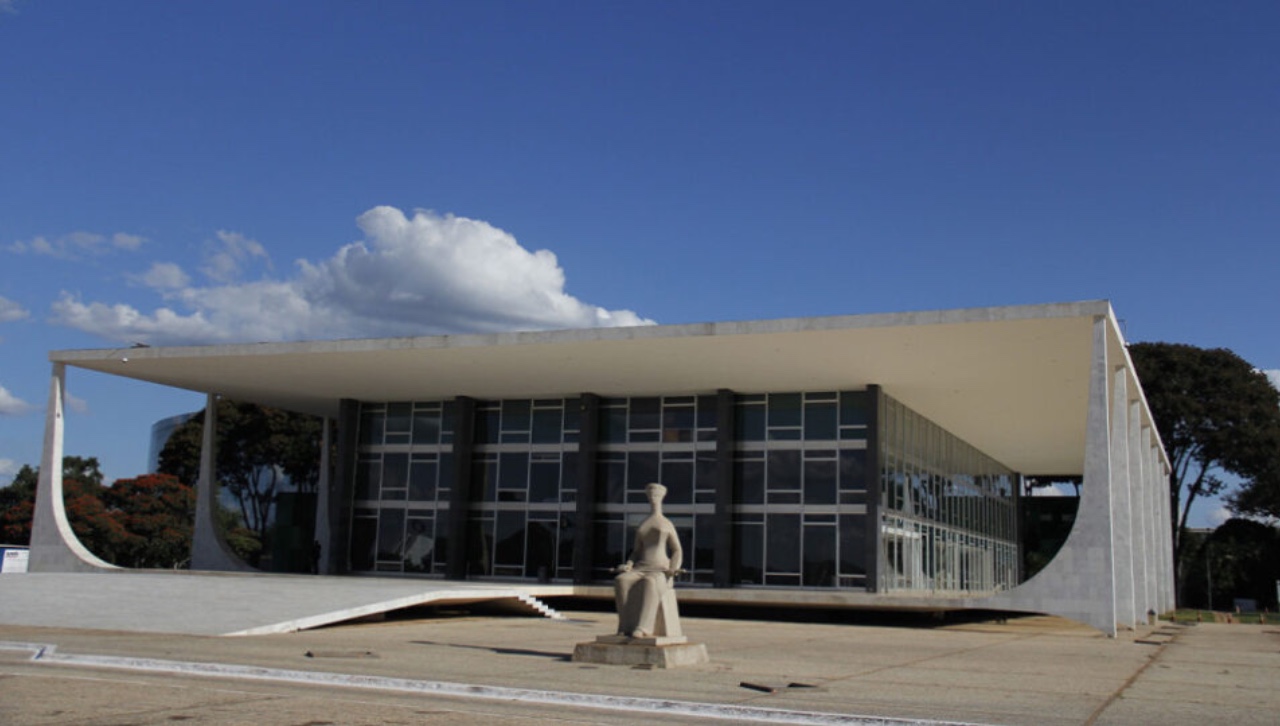
Brazil’s National Association of Games and Lotteries (ANJL) has filed a Direct Action of Unconstitutionality (ADI) before the Federal Supreme Court (STF) challenging Rio Grande do Sul’s recently approved betting advertising law.
The legislation, sanctioned by Governor Eduardo Leite in April, introduced restrictions on betting advertisements across the state, including limitations on where and when operators can advertise as well as mandatory warnings related to gambling addiction, indebtedness and underage betting.
Under the law, betting advertisements must also include warnings occupying at least 15% of the advertising space.
ANJL argues that the measure violates Brazil’s Constitution by invading areas reserved exclusively for Federal regulation, including lotteries, advertising, telecommunications and civil liability.
According to the association, fixed-odds betting falls under the constitutional category of lotteries, meaning only the National Congress has authority to establish primary legislation governing the sector.
The organization also claims the state law conflicts directly with existing Federal rules issued by the Secretariat of Prizes and Betting (SPA), which currently require warning messages to occupy at least 10% of advertising material rather than 15%.
Another contested provision restricts betting advertising inside stadiums and sports arenas exclusively to official sponsors of events, preventing non-sponsoring operators from promoting their brands in those venues.
ANJL described the measure as creating “asymmetrical advertising rules” capable of distorting competition and favoring oligopolistic market structures.
The dispute comes shortly after Brazil’s Secretariat of Prizes and Betting also signalled potential constitutional concerns surrounding the Rio Grande do Sul legislation, stating that only the National Congress can legislate on fixed-odds betting to ensure regulatory uniformity across the country.
The association requested that the STF suspend the law immediately while the constitutional analysis proceeds.
The Rio Grande do Sul Government has defended the legislation, arguing the law remains fully valid unless suspended through a judicial ruling