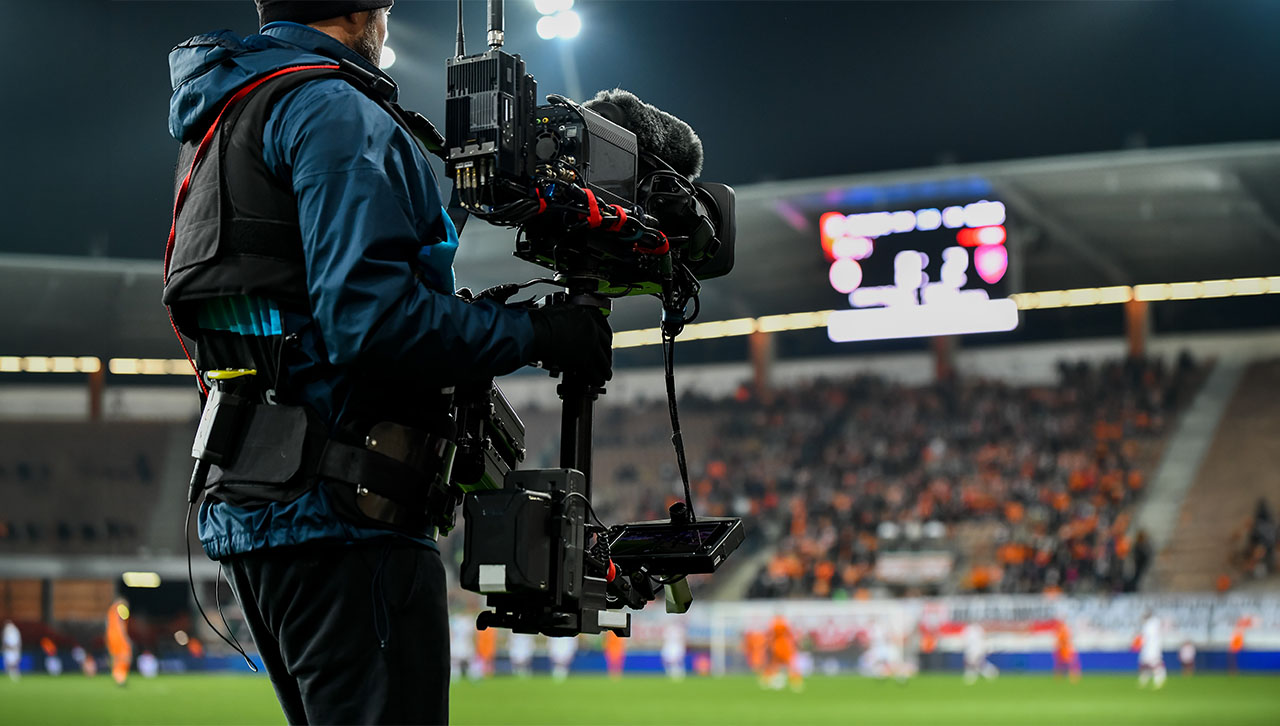
Mexico's Chamber of Deputies is weighing a proposal that would prohibit gambling and betting advertising on television before 10:30 pm, a measure introduced as the country prepares to co-host the World Cup.
The initiative was filed by Deputy Jericó Abramo Masso, who argued that the volume of gambling-related advertising during major sports tournaments has reached a point where children and teenagers are routinely exposed to messaging that presents gambling as a straightforward path to financial gain.
According to the legislator, this framing distorts minors' perception of the risks associated with betting and contributes to the early development of addictive behaviors. Moving that advertising to a late-night slot is intended to limit that exposure before audiences reach adulthood.
The bill covers both sports betting platforms and online casinos, extending its scope beyond the sports wagering market that has been at the center of similar debates in other jurisdictions. That breadth is likely to complicate its path through the legislature, as it implicates a wide range of advertisers with significant television spend.
The proposal comes ahead of the 2026 FIFA World Cup, which Mexico will co-host starting in June, a period expected to bring increased advertising activity from broadcasters and gambling operators. If approved, the bill could affect that window.
A similar initiative was introduced earlier this year by Mexican senator Juan Carlos Loera de la Rosa, who proposed restrictions on gambling advertising during radio and television broadcasts.
The proposal sought to limit betting-related ads to programming aimed at audiences aged 15 and older, citing concerns over minors’ exposure to gambling promotions and the potential risks of addiction.
The bill’s sponsor cited Mexico’s role as a co-host of the 2026 FIFA World Cup, with several matches set to be played in the country, as a factor behind the timing of the legislation