





The Ministry of Digital Transformation of Ukraine has published the first-stage findings from a national study into the social impact of gambling, adding new public data to the country's wider shift towards tighter oversight of the regulated sector.
The study was conducted by the Center for Responsible Gaming with support from the Association of Ukrainian Gambling Operators. It surveyed 3,164 adults aged 18 and over, including young people, internally displaced persons and military personnel.
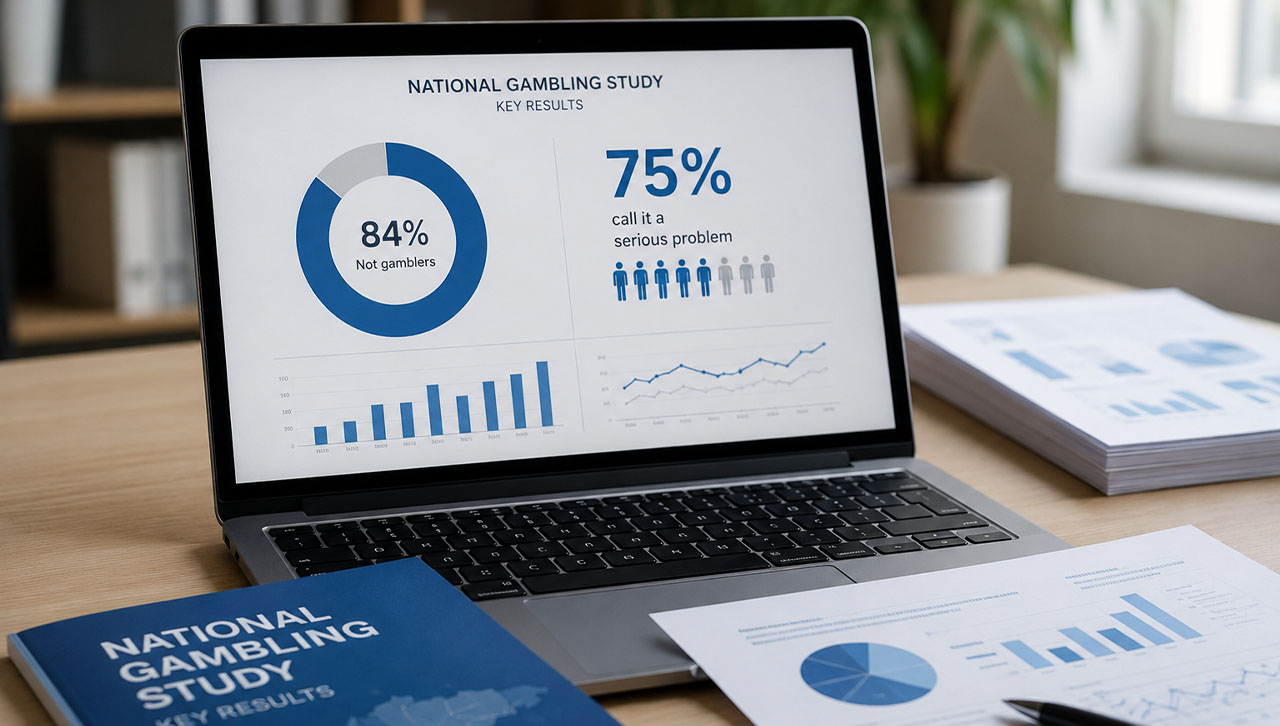
According to the results, 84% of respondents said they do not consider themselves gamblers, while 75% described gambling as a serious challenge for Ukraine.
Personal participation was comparatively limited, with 5% saying they had gambled during the past year and 2% during the past month.
The findings come as Ukraine continues to strengthen gambling regulation following a series of reforms introduced during the past year.
Authorities have increased enforcement against illegal operators, expanded cooperation with digital platforms to remove unlawful gambling content and introduced additional restrictions aimed at reducing gambling-related harm during wartime.
Earlier this month, the Ukrainian Cabinet of Ministers approved a resolution prohibiting military personnel from engaging in gambling, while the Ministry of Digital Transformation has previously described problem gambling as a wartime national security risk because of its potential to increase financial and psychological vulnerability.
The survey found that winning money was the main motivation for gambling, cited by 70% of respondents. Excitement and emotional factors were named by 41%.
Among respondents with gambling experience, 83% said they had already stopped gambling. Loss of interest was the most common reason, cited by 65%, while 23% pointed to excessive spending or a lack of available funds. A further 10% said concerns about possible addiction had led them to stop.
The study also found that 83% of respondents had not personally experienced negative consequences from gambling, while 93% said they had not lent money to friends for gambling during the previous year.
Researchers found no evidence that internally displaced persons were more involved in gambling than the national average.
However, higher risks were identified among young people and military personnel, findings the ministry said would be used to shape future responsible gambling initiatives and public awareness campaigns.
Almost half of respondents identified tighter restrictions on gambling advertising as a priority for government action.
Overall, 74% supported stronger measures to protect people from gambling addiction and 67% favoured strict state regulation of the gambling sector.
The ministry also confirmed that the second phase of Ukraine's State Online Monitoring System will expand oversight of licensed operators by tracking player behaviour, monitoring responses to risky gambling activity and verifying compliance with responsible gambling obligations.
The publication of the research follows PlayCity's agreement with streaming platform Kick to combat illegal gambling advertising. The regulator has also established cooperation with Meta, Google, TikTok, YouTube, Viber and Twitch as part of its wider enforcement strategy against illegal gambling promotion.
The survey's sample was representative by gender, age, settlement type and region, with a reported margin of error of no more than 2%