



























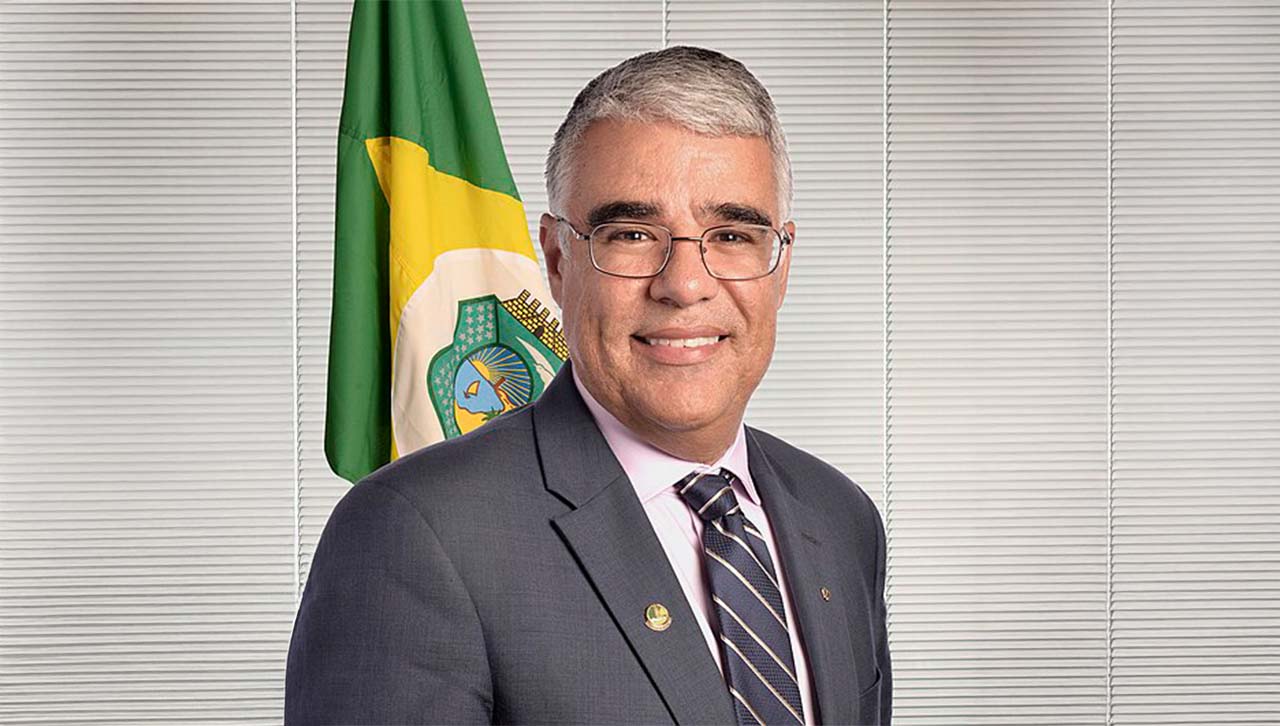
Brazilian Senator Eduardo Girão has blamed Brazil’s 2026 World Cup exit on the influence of betting operators in national football, calling for the Brazilian Football Confederation (CBF) to review its sponsorship policy.
Brazil lost 2-1 to Norway in the round of 16 on July 5, extending scrutiny of the national team under Carlo Ancelotti.
Reuters reported that CBF football director Rodrigo Caetano expects Ancelotti to remain for the 2030 cycle despite criticism after the defeat.
Speaking in the Senate, Girão said Brazil had become a “paradise for betting houses” and claimed the sector was damaging supporters, families and employment.
The senator also argued that the national team should return to a Brazilian coach, citing Filipe Luís as an example of a coach who does not advertise sports betting brands.
The remarks come as betting visibility in Brazilian football remains politically sensitive. Betano became title sponsor of Série A in 2024, while FIFA named Betano an official tournament supporter for Europe and South America for the 2026 World Cup.
Brazil’s betting market has been federally regulated since January 1 2025, when only operators authorized by the Ministry of Finance’s Secretariat of Prizes and Bets were permitted to operate legally. The framework includes licensing, responsible gambling, advertising and anti-money laundering requirements.
Political pressure has nevertheless continued. President Luiz Inácio Lula da Silva has publicly raised the possibility of banning online betting platforms, citing household debt concerns, while the Government has also moved against prediction-market products it said resembled betting.
Economic data has intensified the debate. Brazil’s Central Bank said gamblers spent up to R$30bn ($5.5bn) per month on online betting from January to March 2025, while Folha reported that betting and online casino revenue doubled in the first four months of 2026.
Girão’s comments follow wider Senate concern over gambling harms. Last month, Global Gaming Insider reported that Senator Izalci Lucas introduced a national responsible gambling policy focused on prevention, education and bettor protection.
Brazil’s Ministry of Health has launched a free telehealth service through the public healthcare system for people experiencing gambling-related problems