ADI Predictstreet announced two separate partnerships to expand regulated prediction markets globally and in Latin America.
The first agreement, with sports streaming platform Dazn, is exclusive and global in scope. It will let fans in licensed markets place regulated predictions on live sporting events while watching through Dazn, which operates in more than 200 markets.
The companies said they intend to launch in the US once regulatory approvals are secured, calling it a central focus of the deal.
The second agreement, with First.bet, is aimed specifically at scaling prediction markets across Latin America. The partnership will launch with a World Cup 2026 Prediction Hub distributed to First.bet's regional operator network, allowing fans to participate using traditional payment methods and supported digital currencies.
Both partnerships run on ADI Chain, the Abu Dhabi-based blockchain platform. According to Andrey Lazorenko, CEO of ADI Chain, the technology was designed to bring institutional-grade digital infrastructure to regulated consumer products, with sports serving as its primary use case. Under the Dazn agreement, ADI Chain will also provide the infrastructure for Dazn's planned stablecoin.
Dimitrios Psarrakis, CEO of ADI Predictstreet, said: "Latin America represents one of the most exciting growth opportunities for regulated prediction markets. First.bet's strong regulatory footprint and operator relationships make them the ideal partner to help us scale our technology across the region."
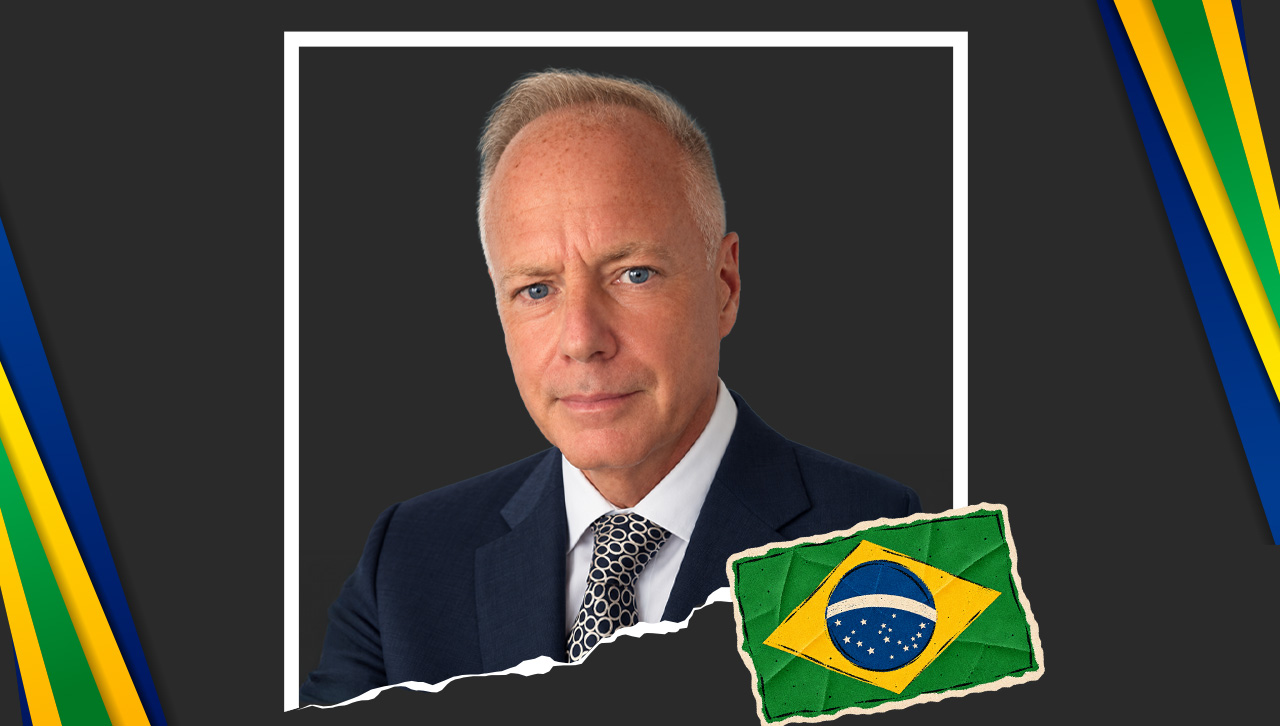
Tom Light, Founder and CEO of First.bet, said: "This partnership lets us extend what we give operators beyond the sportsbook: a World Cup-ready prediction product, powered by ADI Predictstreet and delivered through the First.bet platform."
First.bet is among the industry leaders featured in Global Gaming Insider's documentary How to Win the World Cup: The Evolution of Sports Betting.
ADI Predictstreet expanded its World Cup 2026 partnership network in June by signing a strategic agreement with Kalshi, which the operator says accounts for around 90% of US prediction market activity