



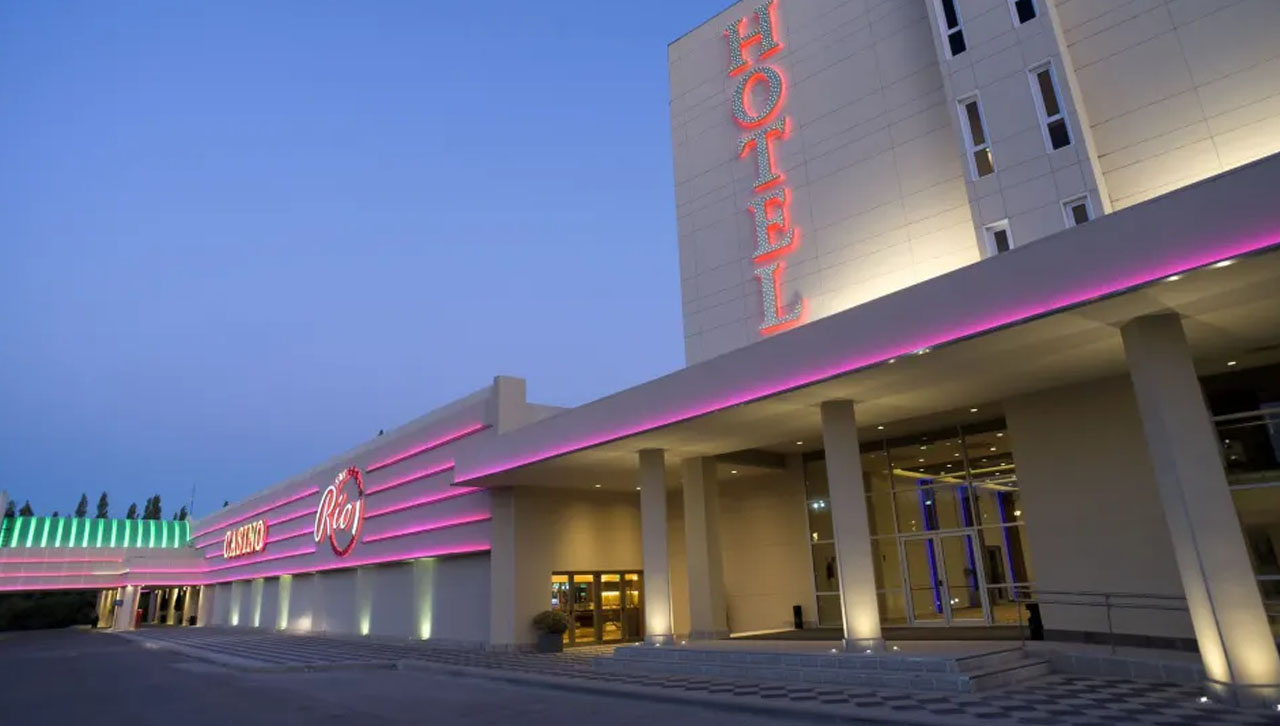
Employees at Casino del Río in Viedma, Argentina, have denounced layoffs, harassment and frozen wages since new management took over the venue.
Workers say the shakeup has coincided with a shift away from traditional casino operations toward weekend parties and nightlife events.
The employees said recent staff departures were not accompanied by adequate explanation from management. They allege the venue's usual gaming activity has lost prominence to weekend events, altering the casino's typical profile and drawing complaints of substance use during some gatherings, which workers say has affected the presence of regular casino patrons.
Staff also questioned the experience of current management in casino operations specifically, saying the venue's leadership has prioritized large scale events and promotional campaigns over the traditional gaming business.
They expressed concern about job security and the long term continuity of the venue's established business model.
On wages, workers said pay has remained largely flat and has not kept pace with the cost of living, forcing some employees to request salary advances to cover household expenses before the end of each month. They contrasted this with the company's spending on advertising, promotional campaigns, influencers and media coverage.
The employees called for greater involvement from Río Negro's Labor Secretariat and the provincial Lotería de Río Negro, arguing that if the venue is functioning like a nightclub on weekends it should face comparable regulatory controls, including inspections during event hours.
Labor unions also play a significant role in Argentina's casino sector, particularly in Buenos Aires Province, where AMS has repeatedly raised concerns over wages, employment and working conditions in 2026.
The union has called for the reopening of collective bargaining talks, has rejected provincial wage proposals, and has intervened in disputes involving casino operations and employment.
In Necochea, the union has also opposed proposed changes to the auction of the city's Casino Complex, warning that they could delay the process and prolong uncertainty for workers.
In March, employees denounced dismissals, flat wages, a lack of collective bargaining and delayed salary payments. In April, workers also alleged harassment and poor working conditions