



















In a letter addressed to the Chicago City Council, various members of the Illinois House of Representatives advised lawmakers to disapprove of Chicago Mayor Brandon Johnson's proposed 10.25% tax on revenue generated from online sports bets placed within city limits.
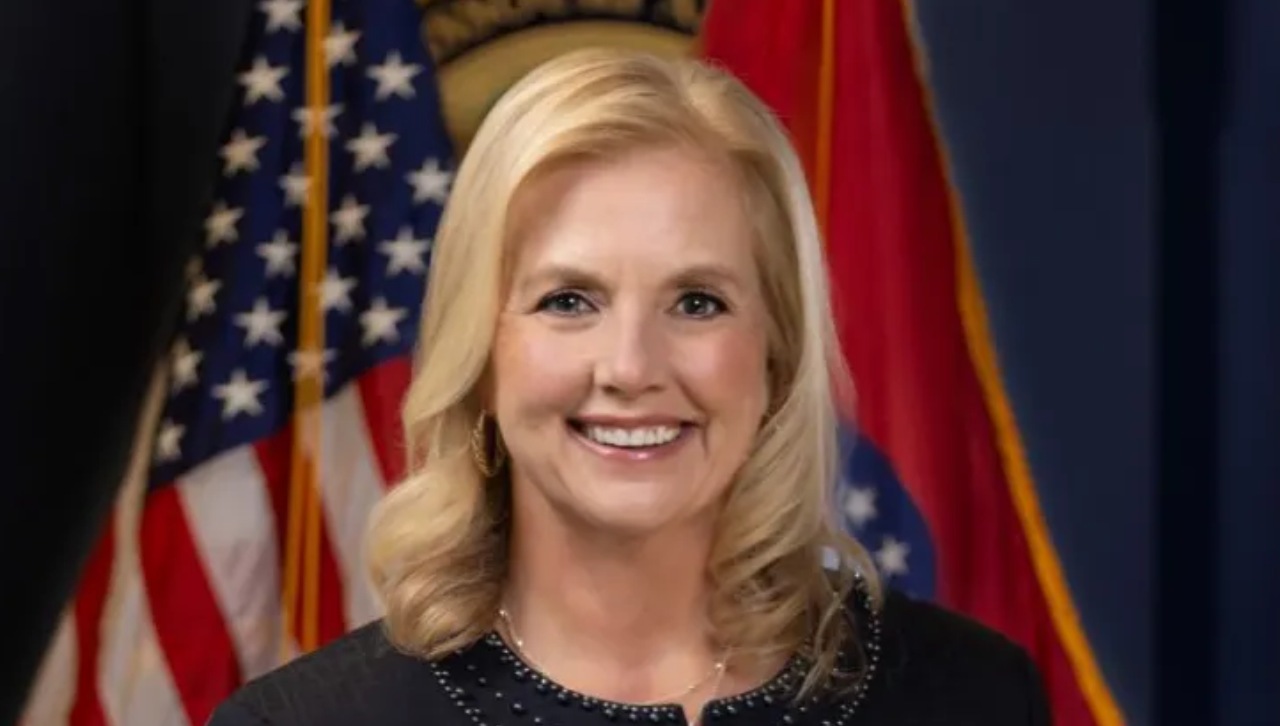
"We write to express serious concern regarding the proposal to impose a new City of Chicago tax on sports betting. While we recognize the fiscal pressures the City faces and respect the difficult decisions that come with closing a budget gap, this specific policy represents both poor tax design and a missed opportunity for collaboration between the City and Springfield," Representative and Chair of the Illinois House Gaming Committee Daniel Didech said.
"From a policy standpoint, the proposal is deeply problematic. The Illinois General Assembly has already increased the state's sports-betting tax twice in consecutive years-first from a flat 15 percent to a tiered rate as high as 40 percent, and then by adding a per-wager assessment. Illinois now has one of the highest sports-betting tax burdens in the nation."
Illinois lawmakers already began enforcing House Bill 1928 in June 2025, which implemented a $0.25 per wager tax for the first 20 million wagers accepted by a sports betting operator in Illinois, increasing to $0.50 for all bets thereafter.
In response, multiple operators including DraftKings, FanDuel, Fanatics and Caesars introduced per wager transaction fees for respective users of the sports betting platforms. Operators such as ESPN Bet, Circa Sports and BetMGM chose to implement minimum wager requirements to help offset potential revenue losses.
Mayor Johnson's proposal would enforce a 10.25% tax on all adjusted gross revenue generated from online bets placed within Chicago's city limits, and also stated the regulation and taxation of sports betting operators are "exclusive powers and functions" of the state.
Didech continued: "The City of Chicago's proposal, however, sets a dangerous precedent for more than 200 home-rule municipalities across Illinois. If each (or even many) were to impose its own tax on a state-regulated industry, we would end up with a fragmented and unstable framework that undermines the consistency and predictability required for effective state regulation.
"The ripple effect could extend far beyond gaming. These types of policies could open the door for a patchwork of local taxes in other state-controlled policy areas, making enforcement and compliance nearly impossible. As has too often been the case, the City advanced this proposal without meaningful consultation or early dialogue, leaving legislators, even members who represent the City of Chicago, with no choice but to oppose the measure."
The Protecting Chicago Budget plan for 2026 hoped to close a $1.15bn budget gap without increasing the city's property taxes, while Mayor Johnson is required to submit recommendations for a new plan by December 31.
The Chicago City Council will then debate the legislation for approval, requiring at least 26 out of 50 votes to pass.
Prior to the holiday season, the Illinois Lottery introduced festive instant ticket offerings and promotions for residents, including Holly Jolly Second Chance and Get in the Spirit Sweepstakes