







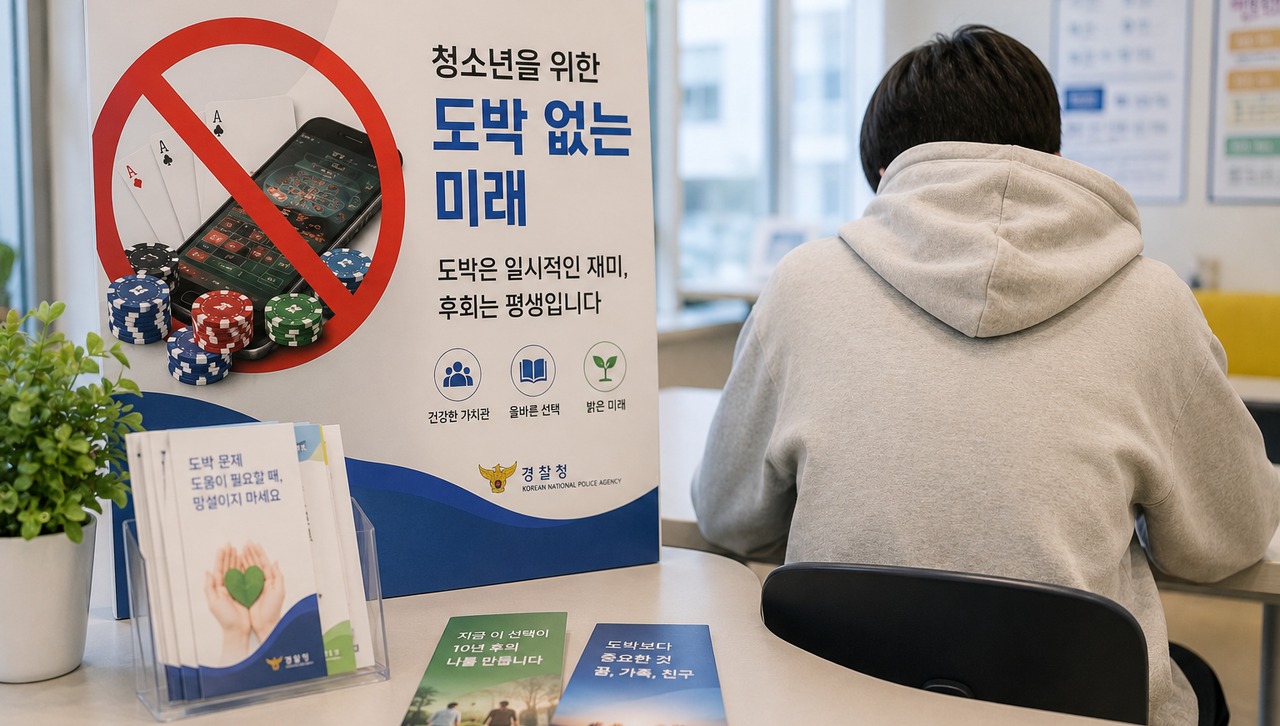
South Korean authorities are reporting growing participation in a voluntary self-reporting campaign for teenage gambling. The country is also stepping up efforts to combat illegal online betting through education, counseling, and public awareness.
The campaign, which launched on May 18, encourages people aged 19 and under to voluntarily disclose their involvement in illegal gambling before Aug 31. Police recorded 294 self-reports during the program's first month, followed by 512 in the second month, bringing the total to 806.
The initiative has received a boost from esports star Lee Sang-hyeok, better known as Faker, who was recently appointed an honorary police officer and public ambassador for the campaign. In addition to appearing in promotional materials, the League of Legends champion is helping encourage young people to seek assistance before gambling problems escalate.
The campaign comes amid growing concerns over the long-term impact of youth gambling. While a nationwide survey by the Korea Problem Gambling Agency found that only 4% of students had engaged in gambling, nearly 19% of those who gambled continued betting six months after their first experience. The study also found that 82% first encountered gambling online, while 54% had been exposed to gambling advertisements through pop-up ads or social media.
Authorities and treatment specialists warn that addiction can quickly lead to mounting debt and criminal activity. Some teenagers reportedly accumulate debts ranging from KRW15m (US$10,616) to KRW100m, while others resort to fraud, theft, or online scams to finance continued gambling.
Alongside the police campaign, lawmakers are reviewing legislation that would require elementary, middle, and high schools to provide gambling prevention education at least once every semester. Meanwhile, the Ministry of Culture, Sports and Tourism has ordered dozens of copyright-infringing websites to be shut down as part of broader efforts to limit access to online gambling promotions.
Teenagers who voluntarily report their gambling involvement can also receive counseling, addiction assessments, and referrals to treatment services as authorities increasingly prioritize early intervention alongside enforcement.
Teenagers who voluntarily report illegal gambling before Aug 31 may receive warnings or other lenient measures instead of criminal penalties