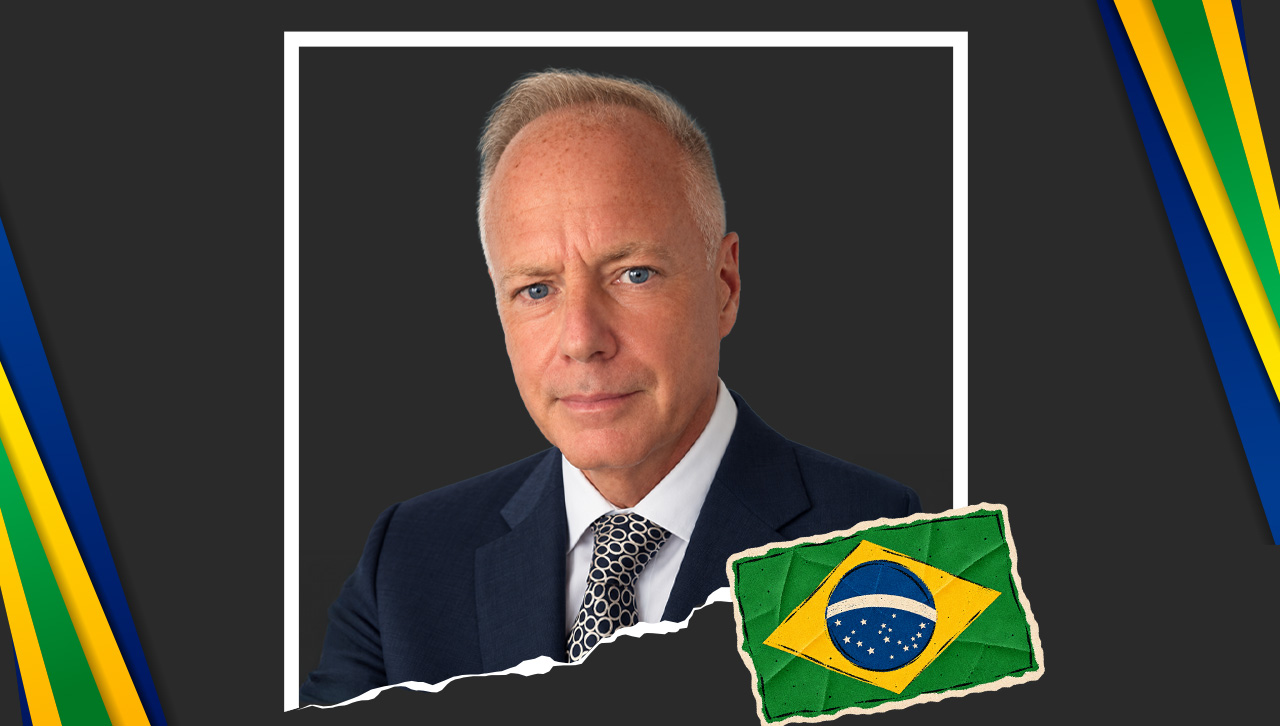





Rio de Janeiro's City Government has begun including questions about sports betting and gambling in routine medical consultations across its municipal health network.
The strategy aims to identify people who may be developing gambling dependency before the problem worsens.
In its first week, 3,070 patients responded to the screening questionnaire: 22 said they felt a need to bet increasing amounts of money and 15 admitted having lied to family members about how much they spent on gambling.
The screening is carried out by health professionals during Primary Care appointments, with responses recorded in patients' electronic medical files.
Rio de Janeiro also leads Brazil’s betting activity, with almost 1,8 million registered users, according to Federal Government data.
The initiative was designed to also reach people who don't seek health services specifically because of a gambling problem. Patients are asked two questions: whether they have ever felt the need to bet or gamble increasing amounts and whether they have ever needed to lie to important people about how much they bet or gamble.
A positive response doesn't necessarily indicate dependency, but serves as a warning sign prompting a more detailed evaluation to assess risk level and recommend appropriate follow-up care.
Municipal Health Secretary Rodrigo Prado said that many people don't arrive at health units reporting a gambling problem directly, as the disorder can initially present alongside other complaints like anxiety, insomnia or depression.
Initial screening can take place across Rio's Primary Care network, which includes roughly 240 units between Family Clinics and Municipal Health Centers, staffed by more than 1,300 Family Health teams.
Rio de Janeiro banned betting advertising from public spaces, extending the restriction to municipal events, government campaigns and any advertising displayed on public property