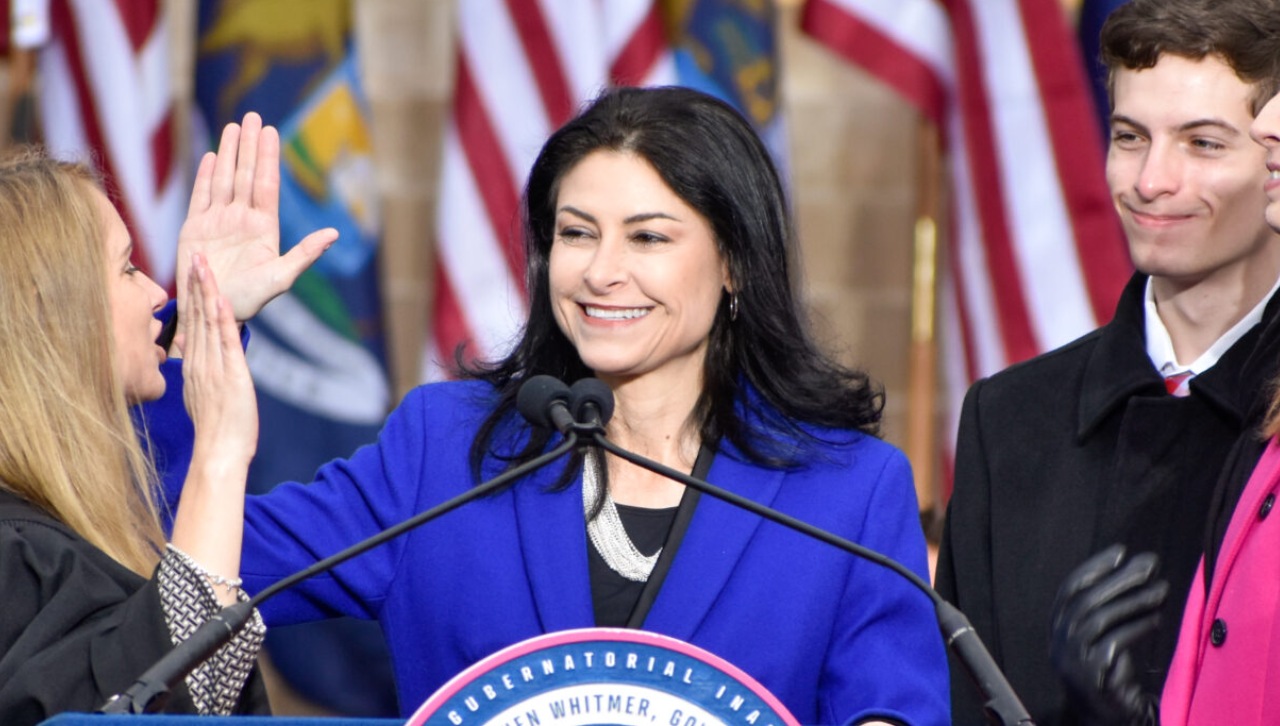
Michigan Attorney General Dana Nessel has been granted a second preliminary injunction forbidding Kalshi from offering sports-related event contracts across the state, while any violations of the order will result in fines of $500,000 per day.
Nessel managed to obtain a preliminary injunction against Kalshi on June 29, only to see the Commodity Futures Trading Commission (CFTC) “exercise its authority to stay an emergency rule change proposed by Kalshi” in July, blocking the operator from cancelling Michigan trades.
As a result of the additional enforcement action, Kalshi will be forced to implement geofencing measures to block Michigan residents and those within the state’s borders from accessing the platform.
“Kalshi long attempted to pass itself off as a legitimate gaming operation in our state, and I am relieved that this order further protects Michigan residents from its predatory, unlicensed practices,” Nessel said.
“My office will continue to defend Michiganders and enforce our gaming laws, which ensure gambling revenue is regulated and distributed back into our communities.”
Kalshi was previously unsuccessful in attempting to move the case to the federal level after Nessel’s motion to remand the lawsuit to state court was approved by the US District Court for the Western District of Michigan on June 25.
In an additional blow to Kalshi’s sports-related contract markets, the CFTC requested the operator remove all trades tied to player injuries, as well as the duration respective athletes would be unable to play for.
As part of the CFTC’s proposed rules for sports event contracts in June, the Commission wrote that trades related to injuries “create perverse financial incentives” and raise “public interest concerns about the confidentiality of medical information.”
The Ninth US Circuit Court of Appeals in San Francisco also ruled against Kalshi in the operator’s efforts to file an injunction against Nevada regulators on August 28, having previously been prohibited from offering prediction market services in the Silver State during July.
As part of a unanimous 3-0 decision, the court determined that the Commodity Exchange Act is unlikely to pre-empt regulations enforced by the Nevada Gaming Commission as applied to sports event contracts.
The ruling may represent the most notable victory over prediction markets to date for state regulators, as fellow jurisdictions could now reference the decision in ongoing legal matters.
Following a federal court ruling which prohibited Kalshi from accepting event contracts in Washington, the operator alleged regulators used ‘selective-nonenforcement’ when filing legal action