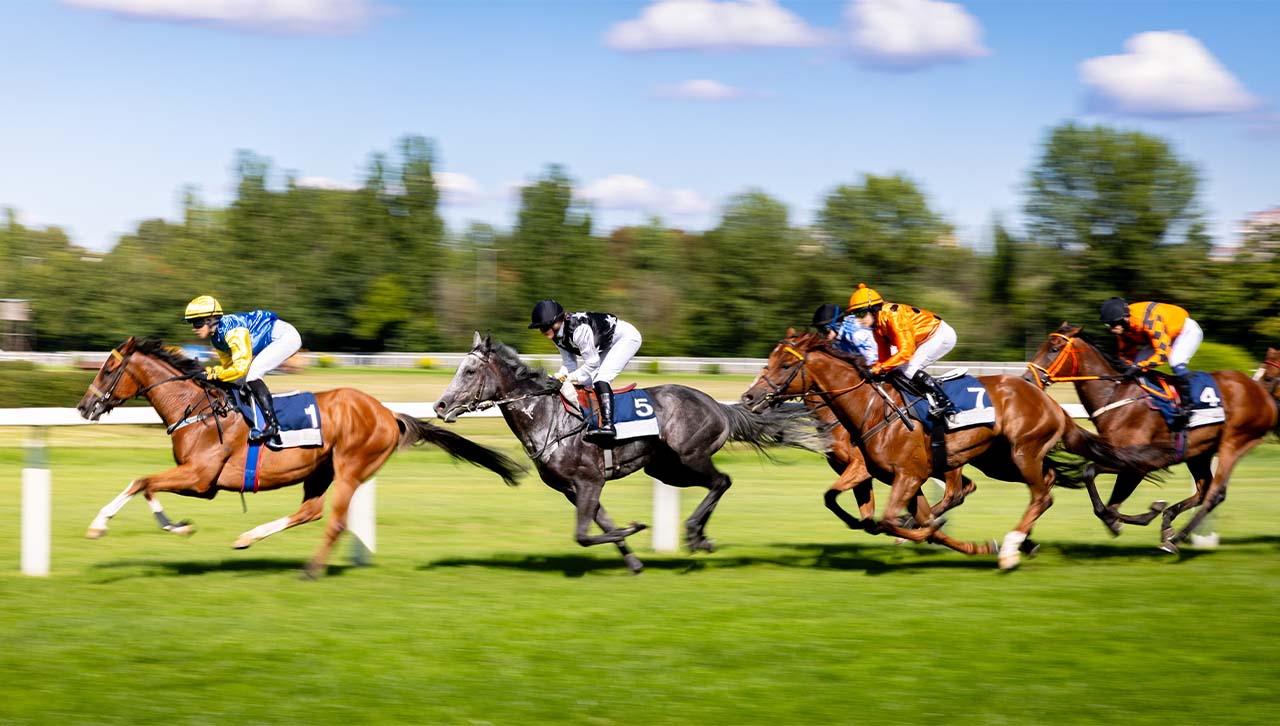
Let's Run Park Yeongcheon will begin operations on September 11, ending a development process that started when the North Gyeongsang city was selected as the site for South Korea's fourth racecourse in 2009.
The Korea Racing Authority (KRA) will hold an official opening ceremony two days later, with Yeongcheon joining the existing racecourses in Seoul, Jeju and Busan-Gyeongnam.
The opening also introduces a new operational structure for South Korean horseracing. Racehorses will remain based at Let's Run Park Busan-Gyeongnam before travelling with personnel to Yeongcheon for designated meetings.
KRA outlined the regional touring system in its 2026 racing plan, with 72 races scheduled across 12 weeks during Yeongcheon's first season.
September's schedule includes 12 races at Yeongcheon across two days, alongside 32 races at Busan-Gyeongnam. KRA tested the model during July mock meetings, when horses were transported from Busan-Gyeongnam and races were conducted using live betting, broadcasting, stewarding and photo-finish systems.
The racecourse has capacity for 3,500 spectators and includes recreational areas intended to expand its use beyond race meetings. The project forms part of a longer-term effort to develop Yeongcheon and the surrounding North Gyeongsang region as a horse-industry cluster.
North Gyeongsang was designated as one of South Korea's horse industry special zones in 2015, covering Yeongcheon alongside Gumi, Sangju, Gunwi and Uiseong. The Ministry of Agriculture cited existing breeding infrastructure, public equestrian facilities and plans for a racecourse among the factors supporting the designation.
Yeongcheon's opening comes as horseracing remains one of South Korea's largest regulated gambling sectors. National Gambling Control Commission figures show horseracing turnover reached KRW6.424trn ($4.63bn) in 2025, down 1.4% year-on-year. Online turnover rose 87.6%, while on-course and off-course turnover both declined.
The shift means Yeongcheon enters operation while wagering increasingly moves online, leaving the KRA to combine racing with leisure and visitor facilities as it develops the new venue.
South Korea's wider gambling sector has also faced regulatory debate. In August, tourism and casino industry groups opposed proposals to raise casino contributions to the Tourism Promotion and Development Fund and introduce five-year renewable licenses, arguing the changes could affect investment in the country's gaming and tourism sector.
South Korea recorded KRW26.027trn in total regulated gambling turnover during 2025, with horseracing accounting for approximately one quarter of the market