The House Ways and Means Committee has advanced legislation that would restore the full federal tax deduction for gambling losses, moving a proposed reversal of the 90% limit closer to a House vote.
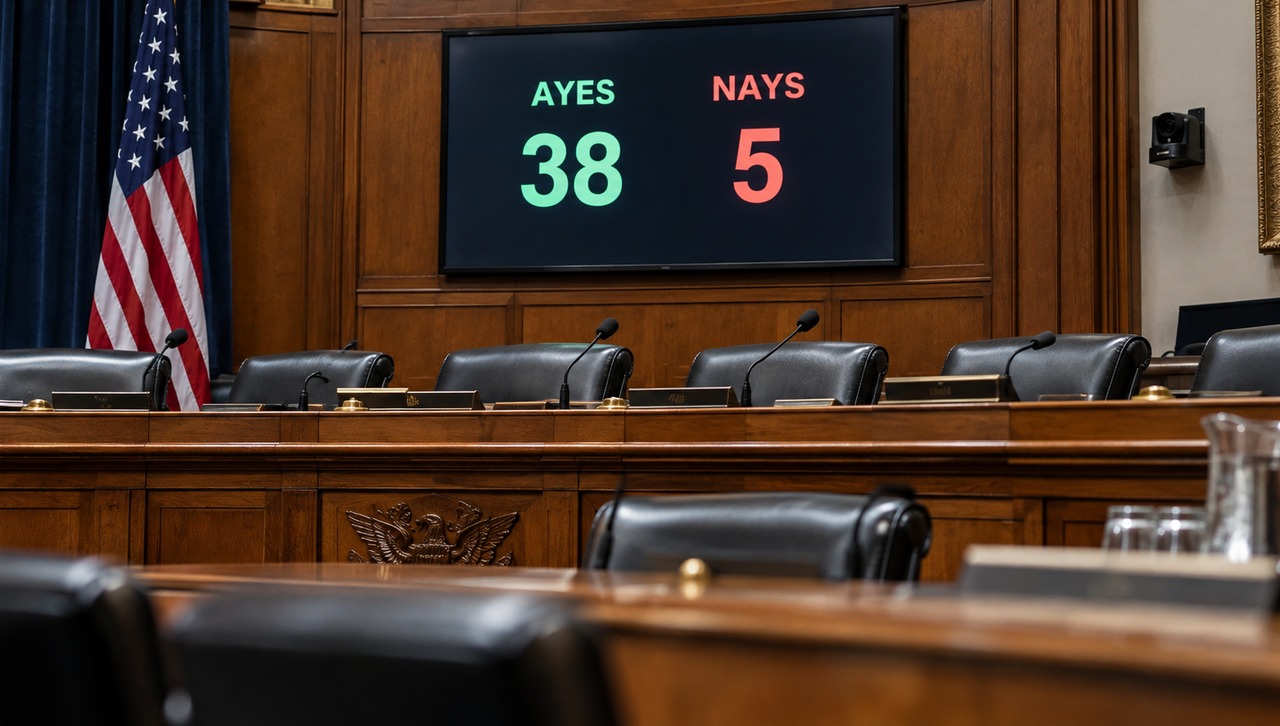
The committee approved the Digital Asset Tax Certainty Act, H.R. 10357, by a 38-5 vote. The broader tax package includes a provision allowing taxpayers to deduct 100% of gambling losses up to the value of their winnings.
The change would reverse Section 70114 of the 2025 tax legislation, which amended the Internal Revenue Code to restrict deductible wagering losses to 90% of losses and no more than gambling gains. The provision applies to tax years beginning after December 31, 2025.
Under the rule, a gambler recording $100,000 in winnings and $100,000 in losses can deduct $90,000, potentially leaving $10,000 subject to federal income tax despite breaking even on those wagers.
IRS analysis estimated that approximately 673,000 taxpayers would claim an itemized deduction for wagering losses for the 2026 tax year.
Around 2.3 million taxpayers reported wagering gains in 2022, while approximately 670,000 also claimed an itemized gambling loss deduction.
The gaming industry has pushed for the previous deduction treatment to be restored. The American Gaming Association argued in comments to the committee that the 90% limitation could result in taxation where gamblers have no net winnings.
Rep. Dina Titus introduced the bipartisan FAIR BET Act in July 2025 to separately restore the full deduction. The legislation was introduced with Rep. Ro Khanna after the 90% provision was added during consideration of the wider tax package.
The provision included in H.R. 10357 follows similar language from Rep. Max Miller's FULL HOUSE Act. Ways and Means Chairman Jason Smith said during the committee markup that the measure would restore deductions up to the amount of gambling winnings.
The proposal still requires passage by the full House and Senate before it can become law.
Separately, gambling legislation remains active in other jurisdictions. The Dominican Republic has been considering legislation that would establish a national self-exclusion registry alongside additional controls for online operators.
The IRS says gambling winnings must be reported as income, while taxpayers claiming gambling losses generally need records documenting both winnings and losses