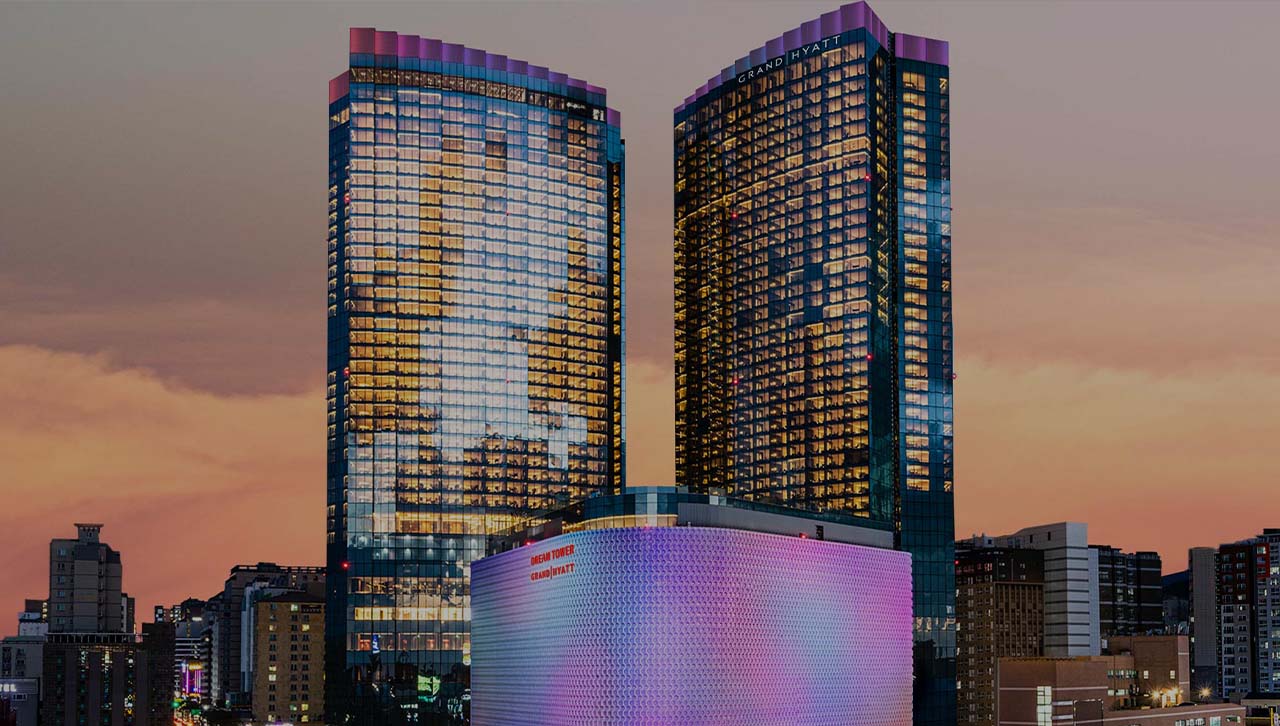
Jeju Dream Tower reported casino revenue of KRW29.09bn for September 2026, representing a 45.1% decline from KRW52.95bn a year earlier. Revenue was also down 37.7% from August, while the figures remain preliminary and may be revised.
Table games accounted for most of the decline, generating KRW25.78bn, down 49.6% year-on-year and 41.3% month-on-month. Machine revenue moved in the opposite direction, rising 80.6% from September 2025 to KRW3.31bn.
Despite September's weaker performance, cumulative casino revenue reached KRW393.08bn between January and September, up 17.7% from KRW333.93bn in the corresponding 2025 period. Table revenue increased 16.9% to KRW372.40bn, while machine revenue rose 34.1% to KRW20.69bn.
Casino table drop also declined during September, falling 10.5% year-on-year to KRW237.82bn. However, year-to-date table drop remained 10.1% higher at KRW1.96trn.
The results were released as Jeju Dream Tower faced a five-day general strike involving casino employees. Around 400 workers were previously reported to be participating, although the exact number has not been independently verified.
The casino continued operating during the industrial action, gradually increasing the number of open tables on the first day from 19 at 7am to 56 by 7pm. The strike also coincided with China's National Day holiday period, when increased foreign visitation was expected.
Union demands include changes to working and rest periods, starting salaries, performance management, promotion arrangements and wage conditions. Dream Tower has said its existing work-rest system follows practices used in other major Asian casino markets and that wages have increased by 5% annually since 2022.
Jeju Dream Tower expanded its casino capacity from 149 tables in 2024 to 169 in Q1 2026 amid higher visitation