A proposal in Argentina’s Río Negro province would allow Indigenous communities to apply for provincial licenses to operate casinos, bingo halls and slot machine rooms.
It would also create a framework for hotel and restaurant businesses under agreements with the Provincial Government and public oversight.
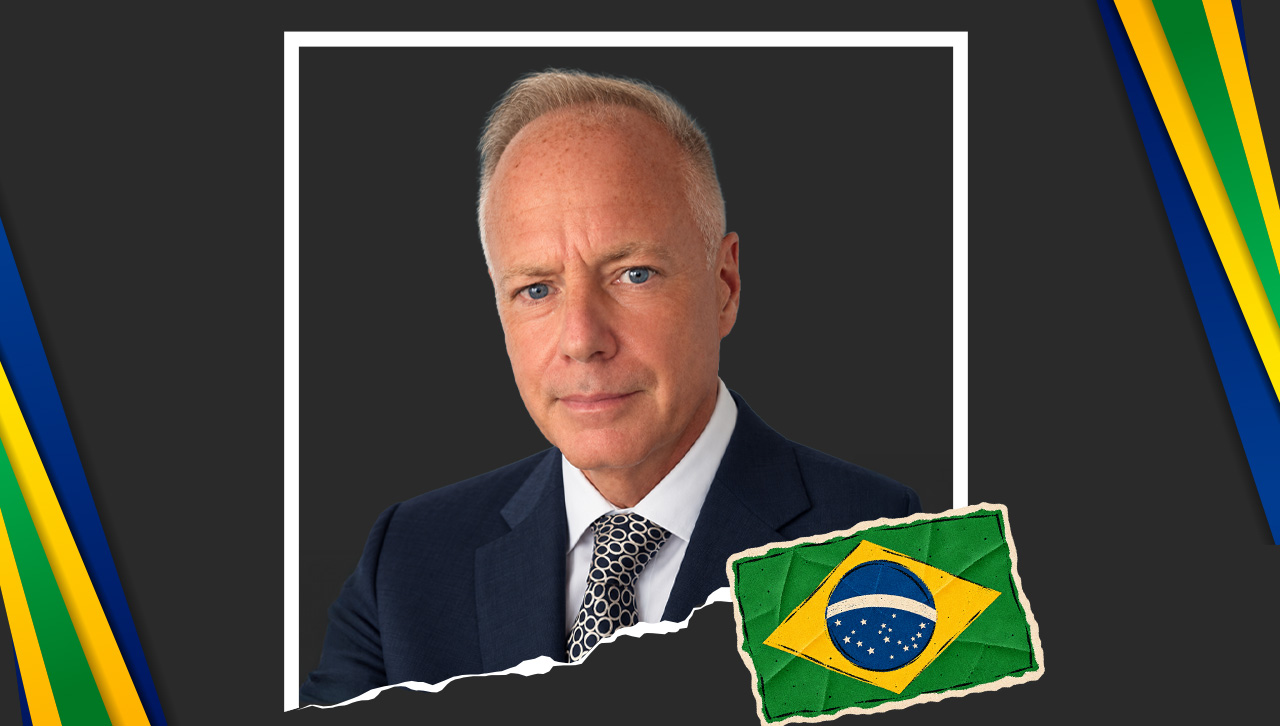
The initiative is promoted by Roberto Zgaib, a La Libertad Avanza leader in General Roca and the party’s treasurer in Río Negro. The 37-article proposal aims to authorize communities with legal status and recognized communal land to apply for licenses, regardless of their location within the province.
Zgaib said the proposal seeks to provide Indigenous communities with a stable source of income that they could manage themselves to fund health, education, housing and infrastructure, reducing their reliance on public programs and transfers.
As gambling is regulated by the provinces in Argentina, licenses would be processed through Lotería para Obras de Acción Social de Río Negro and formalized through agreements between each community and the provincial government, according to Zgaib.
The proposal also sets a limit of four casino licenses during the first three years of implementation.
It also calls for annual reports to the Provincial Legislature covering licenses granted, revenue and the operation of the system. Regulations would be developed following a process of free and informed consultation with Indigenous communities.
Zgaib says the proposal draws on the Indian Gaming Regulatory Act, enacted in 1988, which established a framework for tribal gaming in the United States. According to the National Indian Gaming Commission, tribal gaming generated $46.2bn in gross gaming revenue in fiscal year 2025, with 545 gaming establishments operated by 246 tribes across 29 states.
The proposed framework would differ from the US system because gambling regulation in Argentina falls under provincial jurisdiction. The Río Negro initiative would therefore rely on provincial licenses, agreements and oversight rather than replicate the US legal framework.
The proposal has yet to be confirmed as having entered the formal legislative process. Its progress will depend on the relevant provincial procedures and any subsequent debate over licensing conditions, regulatory oversight and the allocation of gaming revenue.
Lawmakers in Río Negro are also seeking to update the province’s gambling addiction framework to specifically address the rise of online betting among children and adolescents