At G2E, Tribal leaders from the western United States discussed issues of sovereignty, unity and the potential effects of predictions markets of Indian gaming.
Four panelists tackled these topics head-on in Las Vegas, Nevada. Moderator Victor Rocha, who serves as the Conference Chairman of the Indian Gaming Association (IGA), led the discussion.
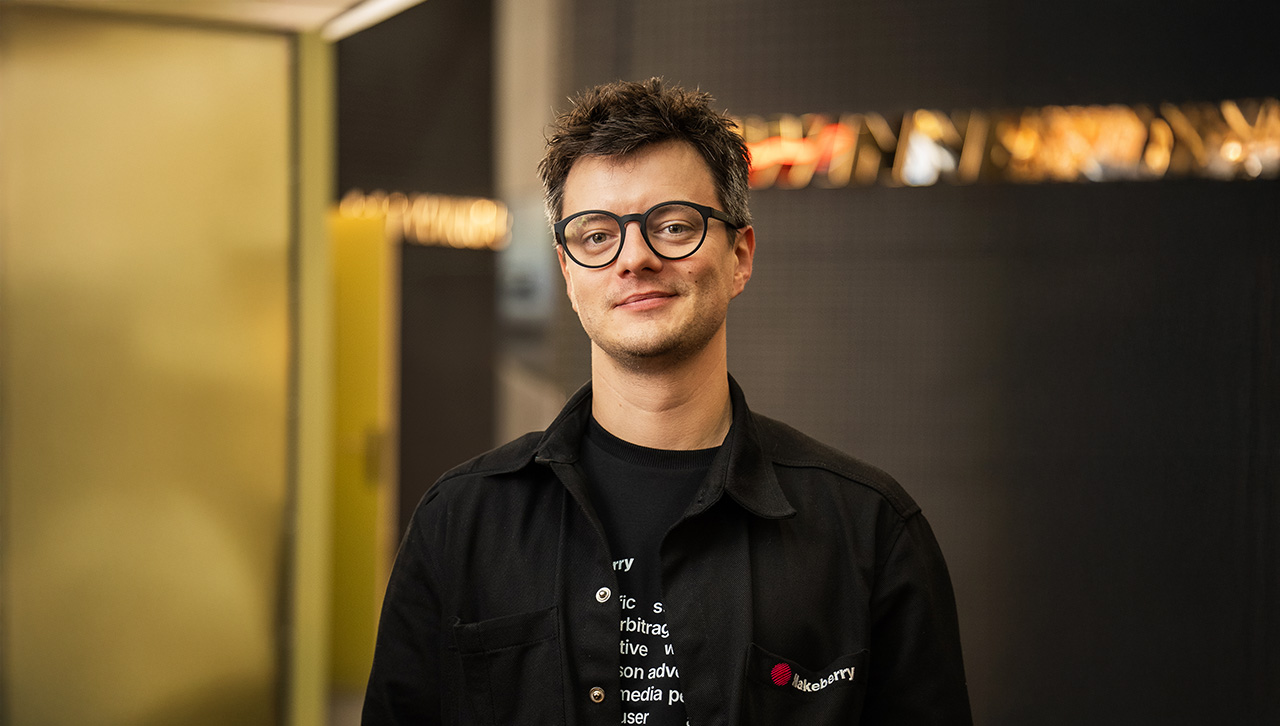
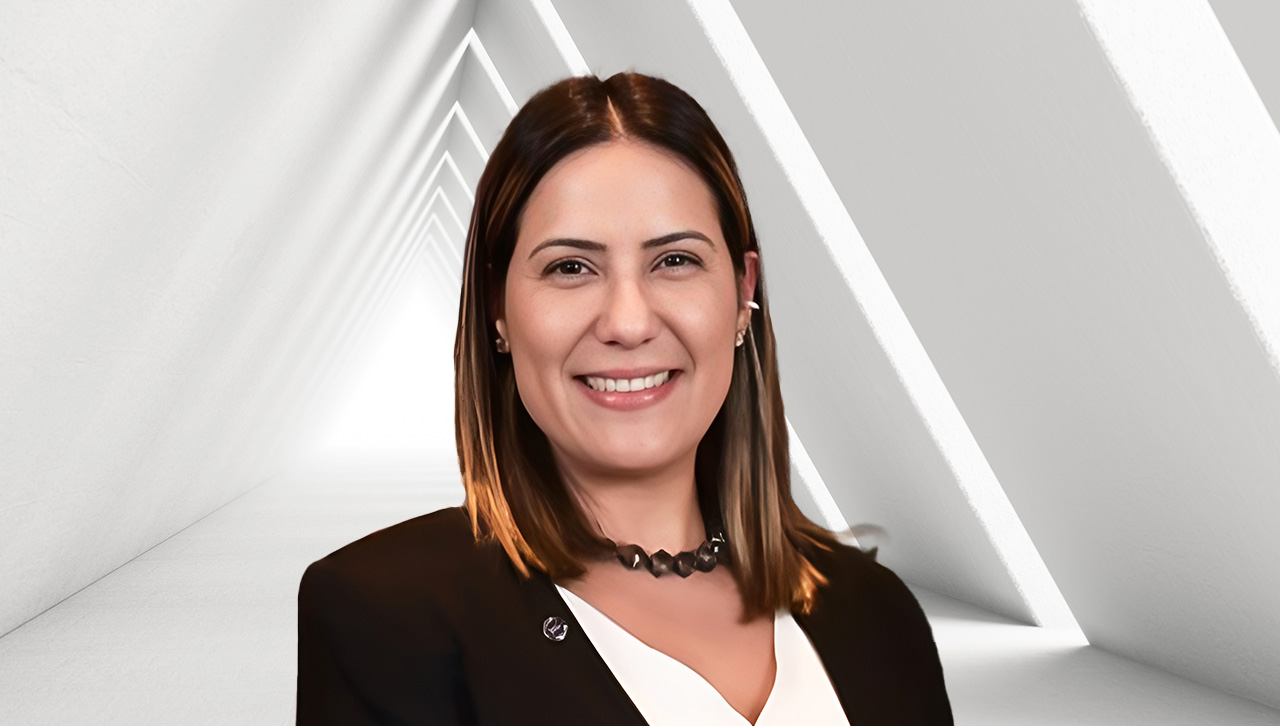
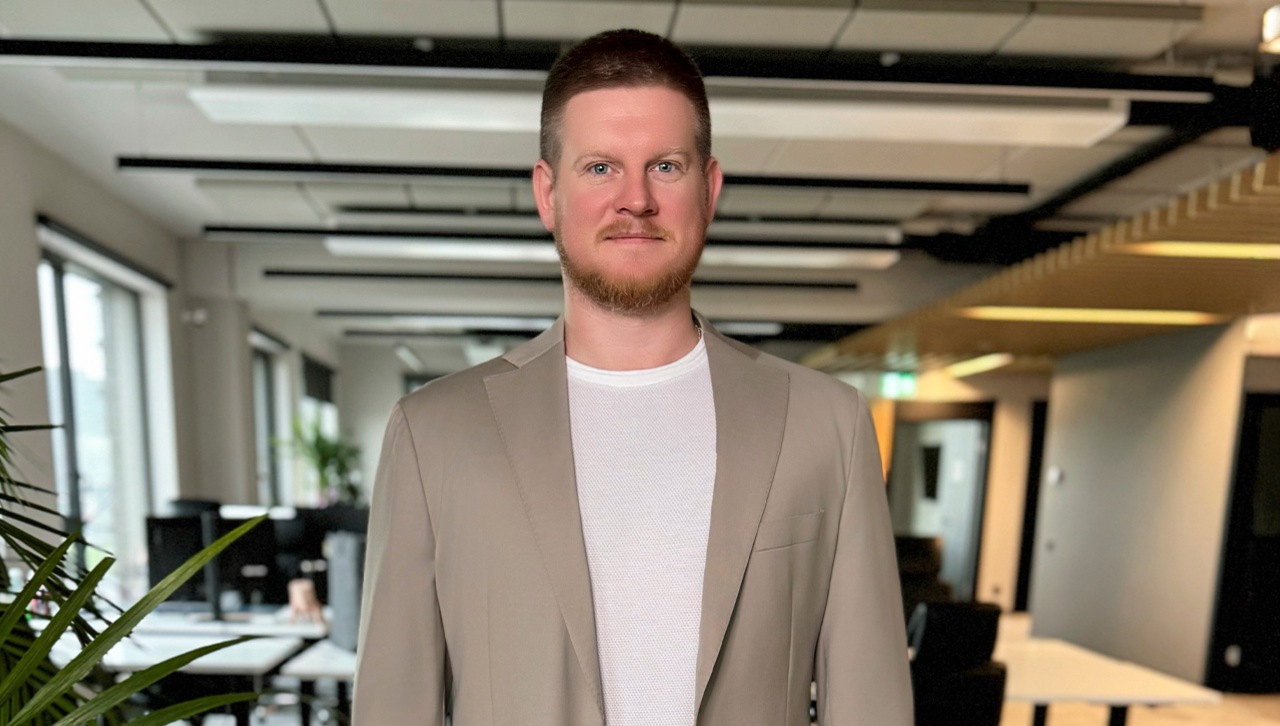
Panelists at this educational session included Chairperson and partner, Ione Band of Miwok Indians/Kaplan Kirsch LLP Sara Dutschke, Morongo Band of Mission Indians Vice Chairman James Siva and IGA Vice-Chair David Bean, who is current leading the association.
Bean stepped into this role after the recent death of former IGA Chairman and national spokesperson Ernie Stevens.
"David has some big shoes to fill, but I have no doubt that he will do it," Chairman Rocha said.
Rocha and the speakers took time at the panel to collectively mourn the loss of Stevens and said he would be missed.
A call for unity
A common thread throughout the conversation was the importance of Tribal unity, particularly when defending Indian gaming rights and protecting Tribal sovereignty within the industry.
"It's very important that we as Tribes come together," Rocha said. "We work together and we fight together."
Vice-Chair Bean agreed, "Unity is incredibly important because we've had to fight for everything we have. Nothing has been given to us."
The panel reflected on past experiences when working together toward a common goal benefited California Tribes.
The group used preventing commercial sports betting from coming into California to protect exclusive Tribal gaming rights as an example.
However, Indian gaming faces a new "existential threat," Rocha said and asked the panelist to talk a little about the rise of sweepstakes casinos and predictions markets around the US.
Regarding sweepstakes, Bean said Tribes are concerned about this trend and described it as "unregulated, illegal gaming."
"They're aware of it. It's something that's been discussed a year ago," he said. "Tribal leaders, casino leaders are worried about it."
Rocha took this step farther, comparing the rise of these markets to a fight scene from "Blade," when the hero did not realize he was in a room full of vampires.
Prediction markets a bigger threat
Siva said the analogy also fits the predictions markets and pointed out a correlation between the rise of predictions wagering and the previous US Presidential Election.
"This is illegal, unregulated gaming, period," he said. "It is impossible to ignore the connection to this administration."
For Rocha, sweepstakes and predictions markets are another attempt to come after what Tribal gaming has built over the years.
He commented, "As a Native American, this story has been played over and over again. What else is new in Indian Country? We've always had to do it ourselves. Anything we have is always going to be under assault. It's the gamification of America. Everything is a gamble. Everything is technology."
Rocha equated attempts to gain a piece of Tribal gaming with settlers from the past who wanted water, land and resources from Indigenous people.
"Once they find gold, they're like, 'this is ours,'" he said. "It's almost like Manifest Destiny again."
Chairperson Dutschke lamented over what she feels is a lack of federal government intervention when it comes to stopping illegal gambling.
She said refusing to step in and stop the gray market was frustrating to her.
"Here we watch operators swoop in at the 11th hour and take part of that market share," she said.
She also stressed the lifeblood Indian gaming brings to local communities. "Gaming is a promise of a very strong future," she said, to which Bean agreed and posed Tribal unity as a solution.
He concluded, "By coming together and standing up and fighting, there is that common threat. They stood up for what they believed in. They stood up for Tribal sovereignty, and they overcame."
Good to know: To date, California is home to 109 federally recognized Tribes