Increasingly, the discourse around prediction markets has come to focus on the question of insider trading.
Kalshi CEO Tarek Mansour – ever willing to make important company announcements via his personal LinkedIn profile – has now declared a raft of new hires with the intention of countering the threat of the illegal practice.
The Kalshi leader has also reiterated the fact that insider trading is banned on the platform, saying: “In the past year, we ran over 200 investigations and froze relevant accounts. Of these, over a dozen have become active cases and several have been referred to law enforcement.”
Who are the new additions?
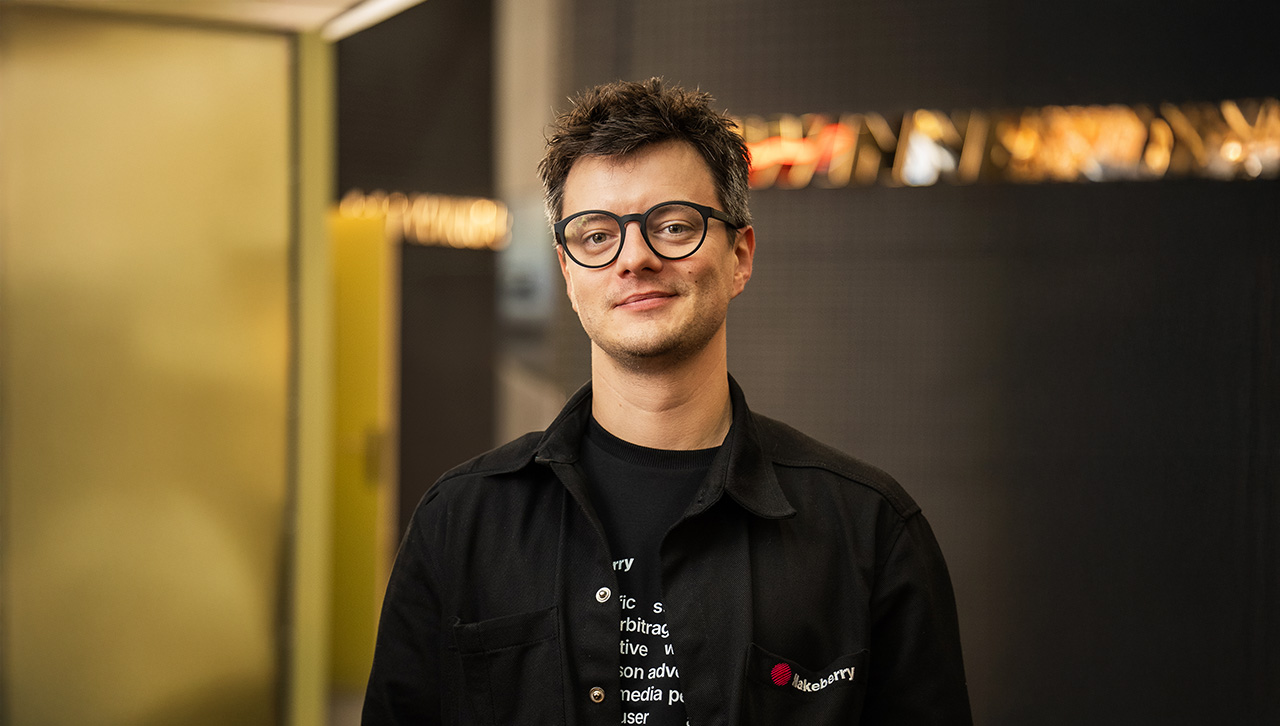
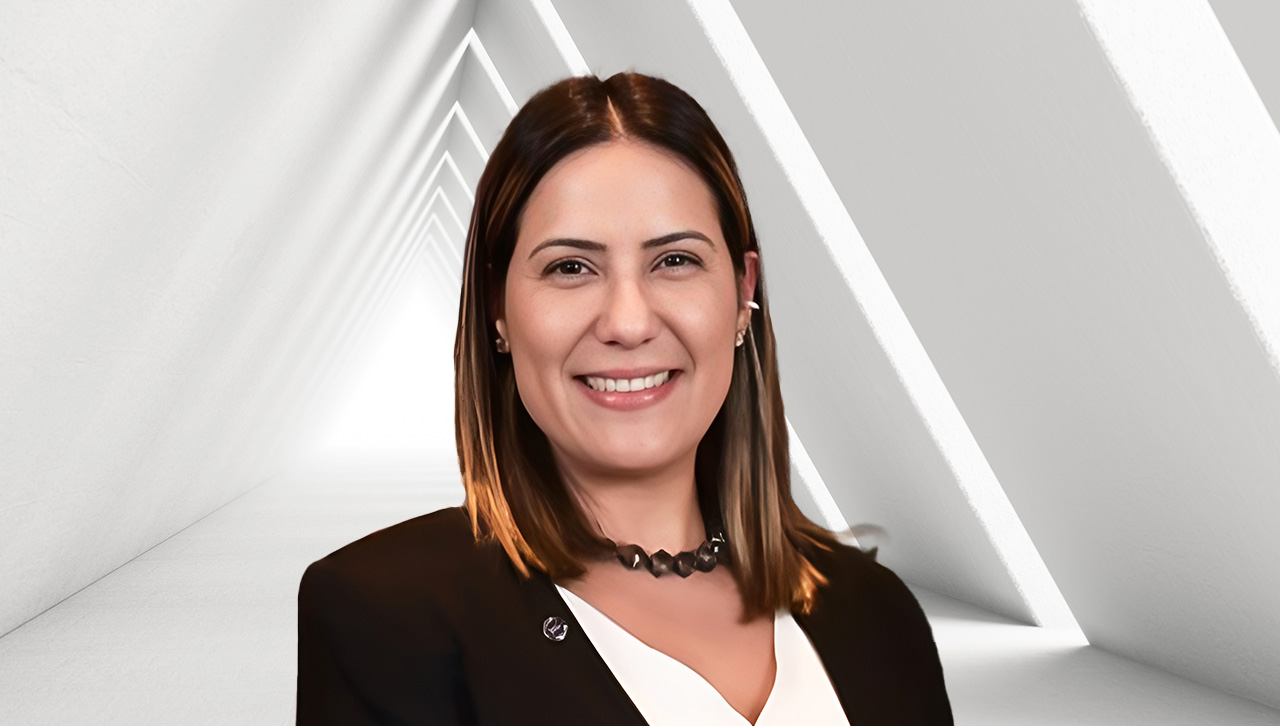
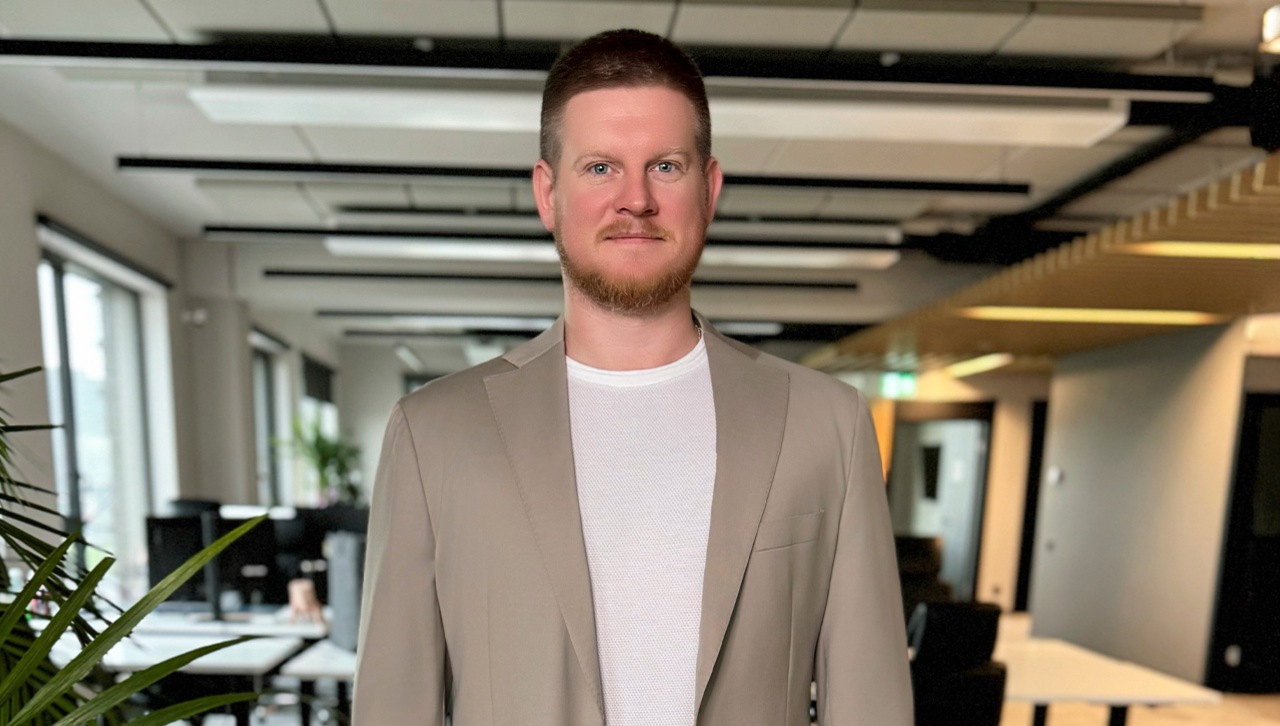
Former criminal attorney Robert DeNault has now been promoted to Head of Enforcement and Brian Nelson, former Under Secretary of the Treasury for Terrorism and Financial Intelligence, will now counsel Kalshi on matters of financial compliance and integrity.
Covering all bases, Wharton Forensic Analytics Lab Director Daniel Taylor will advise on what Mansour describes as “intricate ‘cousin of the spouse of the dude at Tesla’ insider cases.”
A new Surveillance Audit Committee has been formed to create quarterly reports and publish relevant statistics, while a partnership with Solidus Labs has been announced to integrate the company’s behavior monitoring and pattern recognition tools into Kalshi’s preventative strategies.
Why has Tarek Mansour made this statement now?
This statement from Mansour is not his first attempt to categorically reject the concept that insider trading is in some ways built into the model of prediction markets – he has made similarly strongly worded statements on his profile in recent weeks.
Over past weeks, Kalshi’s sector rival, Polymarket, has become increasingly embroiled in the discussion around insider trading – concerns were flagged over an account that generated more than $400,000 on contracts relating to the US operation to extract President Nicolás Maduro in Venezuela.
A much-shared episode at the Grammy Awards featured Trevor Noah saying: “Potato. If you had me saying potato on Polymarket, you just made a ton of money, so congratulations Noah underscore 22.”
The joke epitomized the increasingly mainstream traction of both prediction markets as well as the potential criminality that some fear they encourage.
Mansour's unqualified rejection of insider trading may reflect fears within Kalshi that the debate could undermine some of the company’s arguments in the various ongoing court proceedings it is involved in around the country.
Is this different from Polymarket?
The CEO begins his post with a refutation of the idea that insider trading could be seen as a positive due to its capacity to make prediction markets more accurate.
This position is an implicit distancing of Kalshi from its main rival, with Polymarket CEO Shayne Coplan having previously been quoted saying: “Nobody is under the impression that nobody knows the answer, right? Like, of course, there’s people who are working on it that know when it’s going to come. And I think what’s cool about Polymarket is that it creates this financial incentive for people to go and divulge the information to the market and the market to change, and all of a sudden it’s trading at 95 cents.”
On the face of it, the public stance of Mansour is diametrically opposed to the sentiment expressed by Coplan, though both CEOs have previously used the phrase ‘truth machine’ to illustrate the deeper cultural – even journalistic – significance of prediction markets, as opposed to traditional online betting operations.
Kalshi’s partnerships with CNBC and CNN have served to further emphasize this brand angle.
Some of Kalshi’s new appointments have made statements supporting the words of their boss, with Daniel Taylor posting: “We aim to set the gold standard in market transparency, and raise the bar for the transparency and market integrity that customers can and should expect from prediction markets and stock exchanges alike.”
New Head of Enforcement DeNault was even more bullish, saying: “Looking forward to getting to work – bad guys, beware.”
Kalshi says that in the past year, it has run over 200 investigations, with several of these cases apparently having have been referred to law enforcement