
























The Brazilian Olympic Committee (COB) has set a strategic objective to reduce its financial dependence on lottery and betting transfers, which accounted for 75% of its total revenue in 2025.
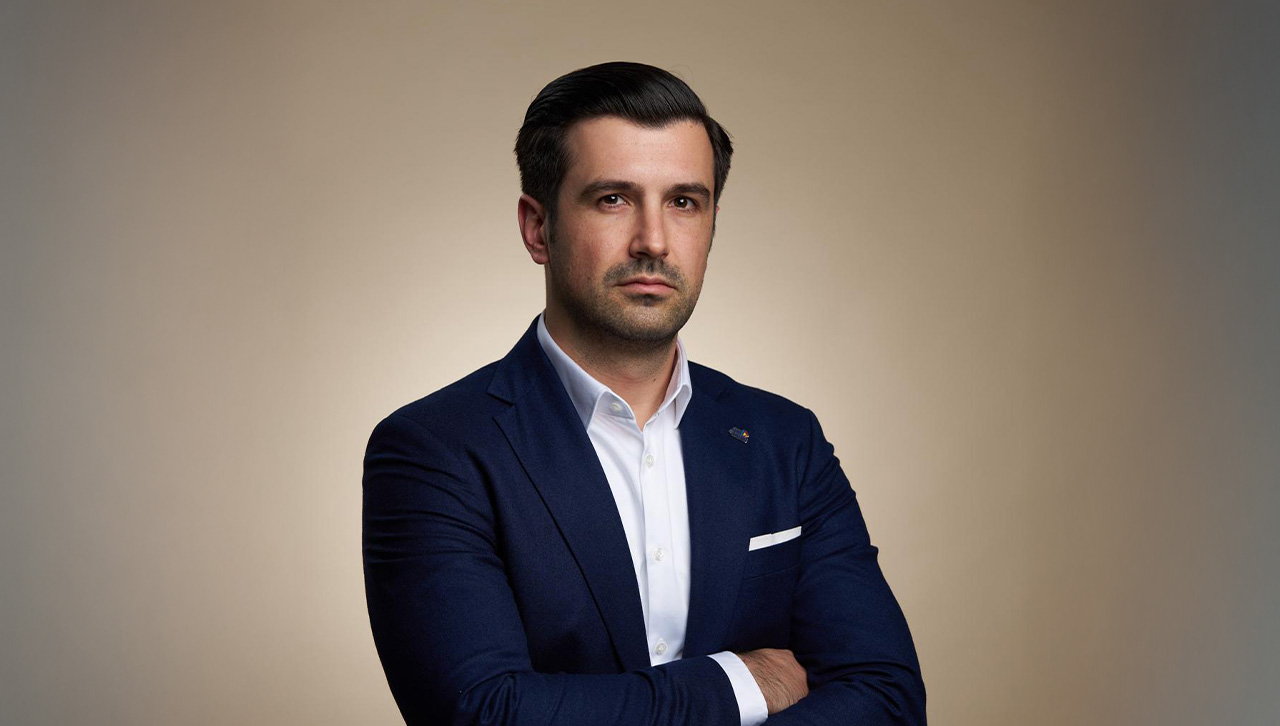
The organization recorded BR594m ($113m) in revenue last year, its highest figure in five years, but President Marco Antônio La Porta has signaled that diversification is now a priority.
La Porta highlighted the structural vulnerability of relying heavily on public transfers linked to lotteries and regulated betting.
In 2021, those funds represented more than 90% of the committee’s income at certain points, and in 2019 the share stood at roughly 90% overall.
That year, transfers were temporarily suspended.
La Porta, who assumed office just over a year ago, inherited a BR78m deficit from the previous administration, linked in part to an increase in revenue transfers to confederations from 45% to 60% of lottery proceeds.
For 2026, the COB has approved a budget projecting a BR8m surplus while maintaining the 60% allocation.
The current management is intensifying efforts to rebuild private sponsorships and develop a more balanced funding model.
The committee has also increased its engagement in Brasília, including discussions on sports betting regulation and tax treatment for imported sporting equipment.
The debate over betting-linked funding and sports in the country continues in the Brazilian Congress as lawmakers have recently proposed rules on image rights payments to athletes in betting deals.
Brazil’s Permanent Subcommittee on Sports Betting Regulation recently held a public hearing to discuss the share of betting revenue owed to athletes