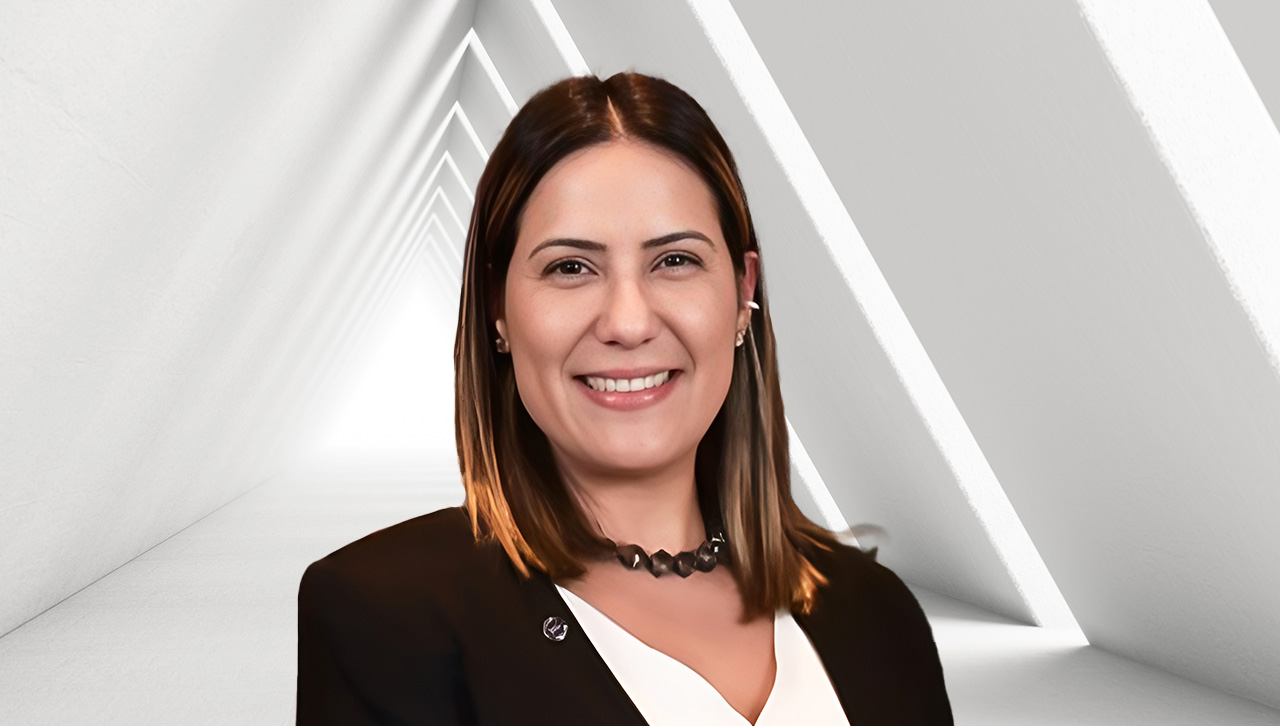
Speaking at the Regulating the Game conference in Sydney, Brendan Thomas, CEO of AUSTRAC, warned that gambling businesses remain a key frontline sector in the fight against financial crime.
AUSTRAC acts as both Australia’s anti-money laundering regulator and financial intelligence unit, and Thomas told the gathered industry figures that the country’s stable financial system and advanced gambling market make it attractive not only to legitimate businesses but also to organised crime groups.
He said: “Gambling is deeply embedded in Australia’s social fabric and economy. It is also at the frontline of Anti-money laundering regulation. The integrity of our financial system, the reputation of your businesses, and the safety of our communities depend on the strength of the decisions you make every day.”
He states that drug trafficking remains the largest source of money laundering in Australia, but he is clear in qualifying that point by saying that financial crime operates as a very connective system in this day and age, crossing over between drug, tax, fraud, tobacco, scam and gambling-related crimes.
It is, in other words, extremely adaptable, and so must the means of countering it – he tells the conference: “Within that environment, gambling is routinely targeted. High transaction volumes, digital evolution, and cash‑intensive channels create opportunity. Criminals know this. The message is clear: our regulatory frameworks and controls must move as fast as the threats we face.”
Ahead of new reforms set to take effect in Australia from 31 March 2026, the situation does not, according to Thomas, seem to be what it should be – he explains that AUSTRAC investigations have uncovered recurring patterns of compliance failures across gambling operators.
“What we have seen is not a collection of one-off failures. We have seen recurring patterns – systemic weaknesses that criminals exploited repeatedly and often for long periods.”
Recurring themes within these weaknesses are high-value cash transactions, multiple accounts, third parties and synthetic identities.
But it appears it is not just the identifying of risks in these areas that is cause for concern – Thomas refers to systemic failings of due diligence and reporting even when risk indicators were clear.
“The conclusion is unavoidable. These risks were significant. They were known. And they were realised in practice.”
A culprit of these failings seems to be the habit of outsourcing AML and financial crime functions without sufficient oversight – this is something Thomas urges against, or at least reminds operators that accountability always lies with them.
The reformed AML/CTF Act is less than a month away and Thomas recognises that the scale of the change means perfection in compliance is not expected straight away – he says: “Preparation is expected. Perfection is not.”
In coordination with this, he announces that AUSTRAC has released practical guidance and will continue to conduct training throughout 2026.
He closes his talk with the words: “Together, we can lock criminals out, protect our communities, and ensure Australia’s gambling sector remains a leader in integrity and trust.”
In January, AUSTRAC released AML program started kits to help small businesses in newly regulated sectors