Mexico's Senate committees have officially approved a series of fiscal reforms that include a significant increase in the Special Tax on Production and Services (IEPS) applied to gambling activities.
The reform, which now only awaits full Senate approval, raises the gambling tax from 30% to 50%, marking one of the most substantial tax hikes in the country's gaming sector in recent years.
According to the Finance and Public Credit Committee, the measure is part of a broader tax package designed to "strengthen the tax system, protect public health and create fiscal certainty."
Lawmakers from the ruling Morena party argue that higher taxation on gambling, alongside other consumer goods, will help reduce harmful behaviors while expanding state revenues.
However, opposition senators criticized the move, describing it as a "desperate attempt to raise funds" rather than a measure driven by social policy.
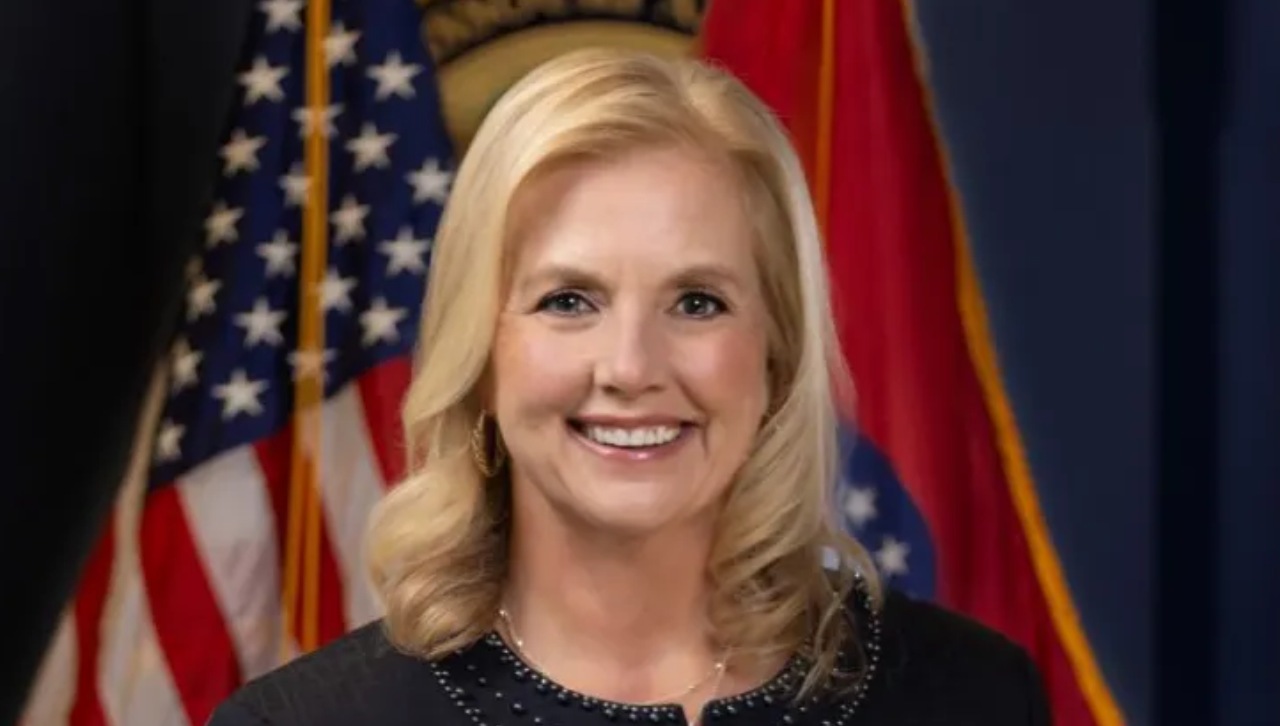
Senator Cristina Ruíz Sandoval of the PRI said the Government was "taking more from the people and returning less," warning that the IEPS had become "a moral fraud disguised as a health tax."
The reform package also includes new levies on sugary drinks and "light" beverages, as well as greater fiscal powers for authorities to combat fraudulent tax practices.
Within this framework, the gaming sector's inclusion highlights the Government's continued view of gambling as a revenue source that requires even tighter oversight.
During the discussion of the bills, Senator Luis Donaldo Colosio stated that it represents a "desperate cry" to raise more revenue and labeled the tax "absurd."
"A tax that presents itself as a security and health policy, but lacks scientific basis, ends up revealing its true purpose: a purely revenue-generating and disproportionate measure," he said.
"Even more worrying is the possibility that this is the first step toward a discreet form of control over what citizens can and cannot consume, these types of interventions or any other justification".
If ratified by the full Senate, the new IEPS rates would come into force in 2026, probably with additional enforcement mechanisms to ensure compliance across licensed operators.
Mexico's Congressman Ricardo Mejía Berdeja recently proposed a new gambling and lotteries law to modernize its regulatory framework