

















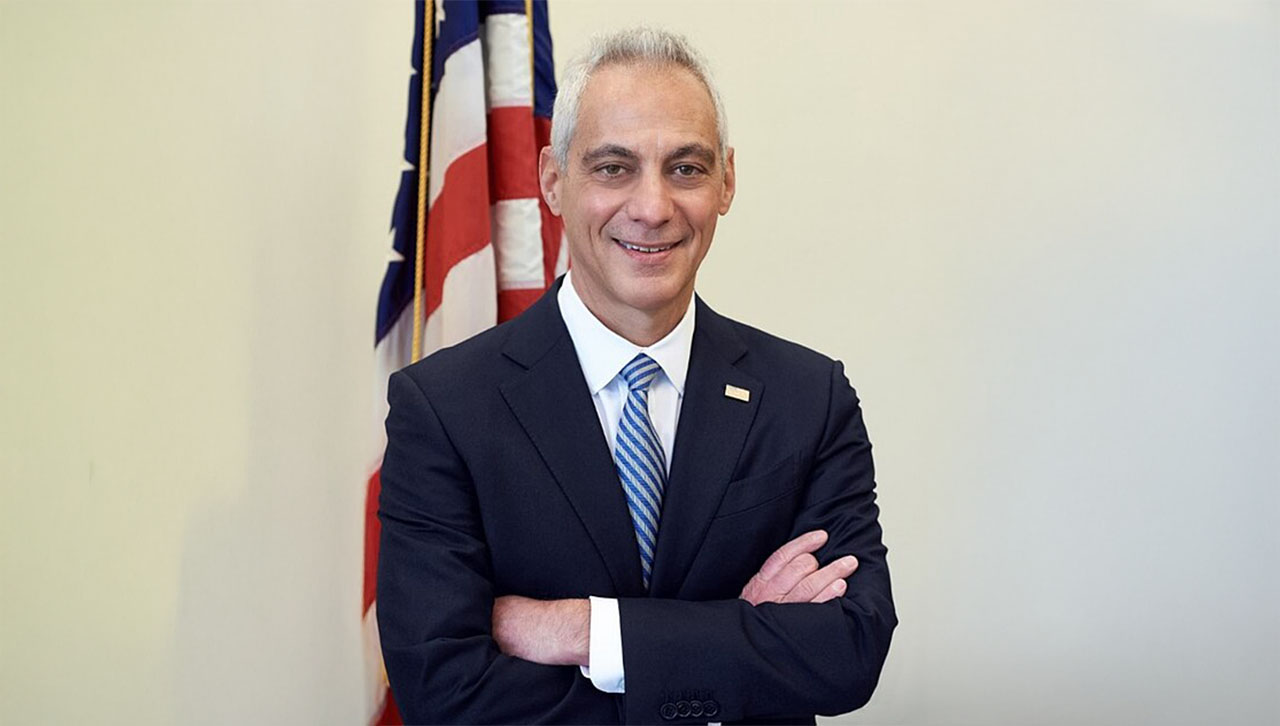
Former Chicago Mayor Rahm Emanuel has floated a 10% federal transaction tax on online sports betting and prediction markets, positioning it as a mechanism to fund science and technology research as he continues to explore a potential 2028 presidential run.
Speaking at a Wall Street Journal Live event in Washington on 15 April, Emanuel outlined a proposal that would apply the tax to amounts wagered or traded on licensed online sportsbooks, digital casino platforms, prediction market apps and exchanges.
Revenue generated – estimated at between $30bn and $50bn annually – would flow into what Emanuel described as an "Innovation Fund" to support artificial intelligence, quantum computing, fusion energy, life sciences and national security technology, with the stated goal of maintaining competitiveness with China.
Emanuel also called for a ban on all federal employees participating in prediction markets.
The proposal forms part of a broader policy platform Emanuel has been developing ahead of a possible presidential campaign, alongside ideas such as a mandatory retirement age of 75 for federal officeholders and restrictions on social media use for under-16s.
The announcement arrives amid significant regulatory activity around prediction markets and sports betting at the state level.
Earlier this week, Kentucky Governor Andy Beshear vetoed House Bill 904, which had sought to ban licensed operators from offering event contract trading, among other provisions.
Separately, Washington DC saw the introduction of legislation that could legalise iGaming while prohibiting unlicensed sweepstakes casino activity, and Virginia Governor Abigail Spanberger vetoed a bill that would have legalised skill-based gaming across the state.
Prediction markets have become an increasing focus for US policymakers, with several states recently considering legislation to regulate or restrict their use