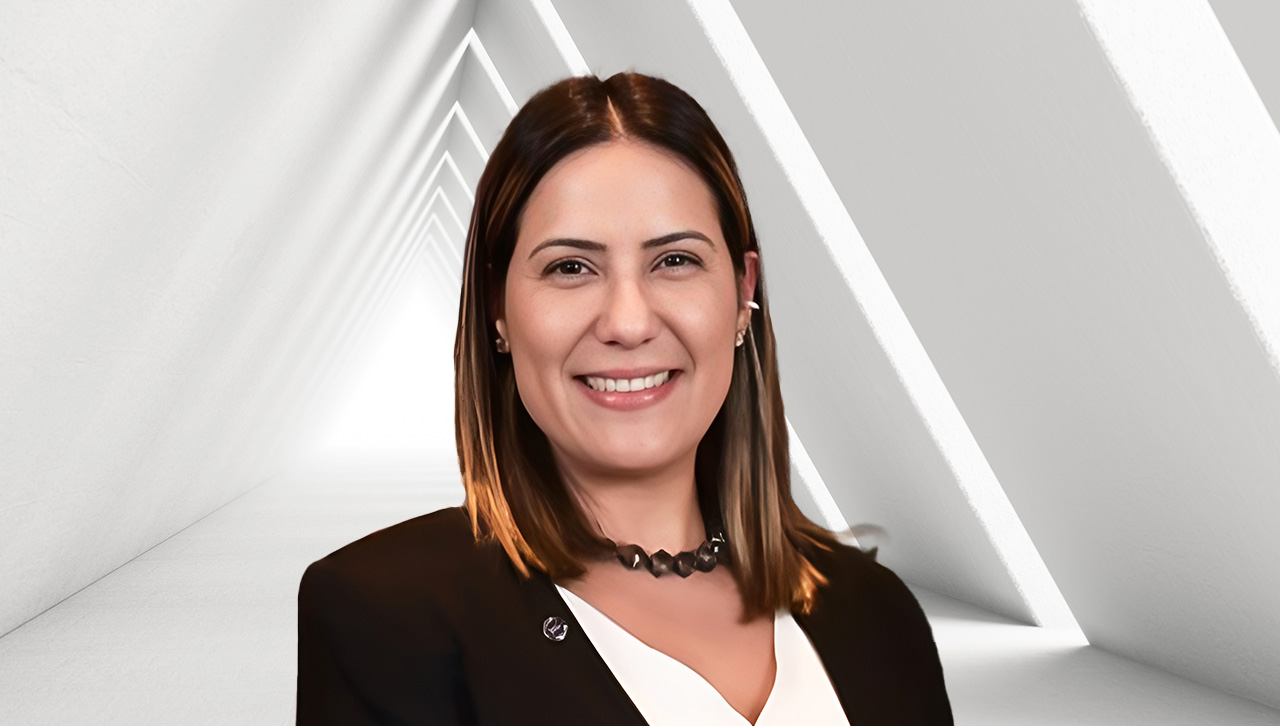
Brazilian Football Confederation (CBF) Vice-President Michelle Ramalho has defended the country’s regulated betting sector, arguing that licensed operators are being unfairly associated with issues such as match-fixing and gambling-related harm.
Ramalho said regulated operators should not be blamed for integrity breaches in football.
“You can no longer talk about football today without talking about betting,” she said.
“Many ignorant people say betting operators should disappear, but betting companies are as much victims as the federations.”
Ramalho argued that licensed operators have a direct interest in protecting sporting integrity and questioned why regulated companies would benefit from manipulated matches.
She also called for stronger action against unlicensed operators, stating that current legislation does not adequately distinguish between legal and illegal businesses.
“It is not fair for companies that are legal and doing everything correctly to compete with illegal operators,” she said.
Superbet Brazil CEO Alexandre Fonseca echoed those concerns, arguing that claims linking betting to household indebtedness are not supported by available data.
“The main source of indebtedness is credit cards, and we do not accept them. The illegal market does,” Fonseca said.
"Every problem in Brazilian society is attributed to betting. But betting is not a new phenomenon, it has only been regulated. And regulation in Brazil works," he added.
The debate comes as lawmakers discuss two bills that would introduce some of the most restrictive advertising rules proposed since Brazil regulated fixed-odds betting. The measures would ban betting sponsorships in football, including partnerships with clubs, federations, competitions and sports broadcasts.
In 2025, betting operators invested more than BR1.4bn ($290m) in television, radio and streaming advertising across Brazil.