



















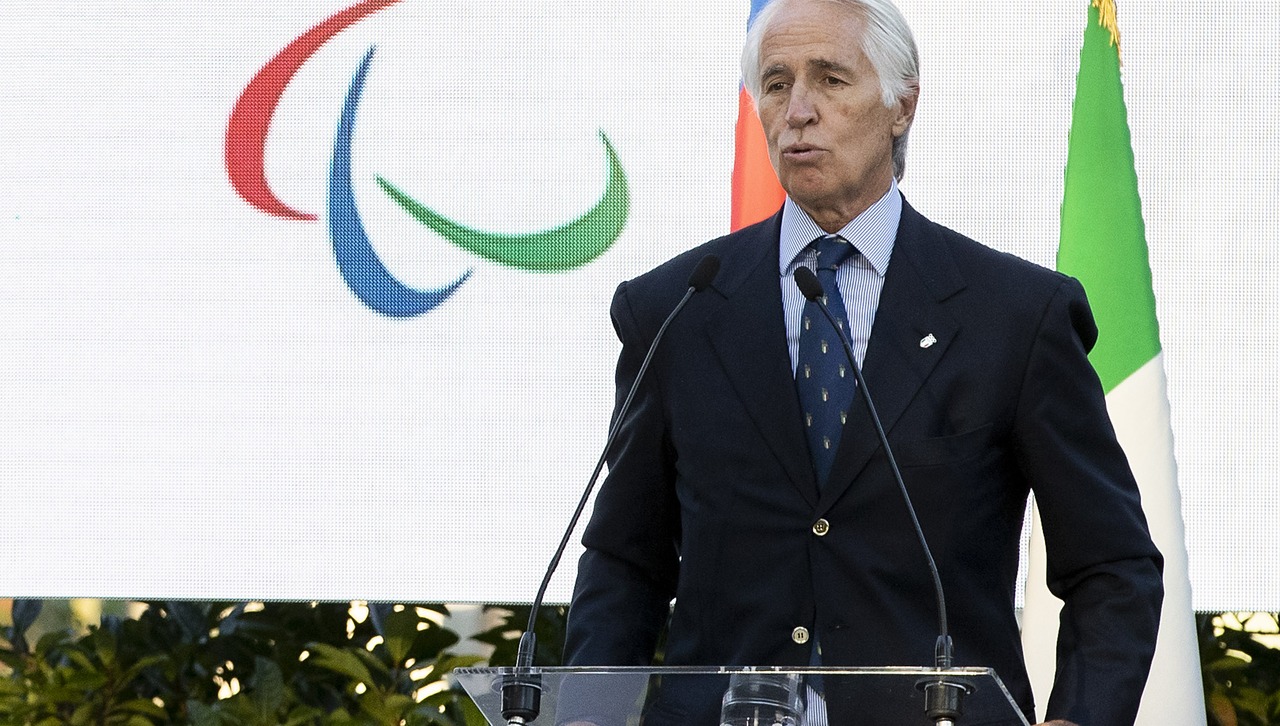
Giovanni Malagò has been elected as the new president of the Italian Football Federation (FIGC) in the first ballot, securing a 68.25% majority vote, prevailing over his main competitor, Giancarlo Abete.
Speaking at the FIGC Elective Assembly, Malagò highlighted key challenges including sports facilities, tax incentives, women’s football, betting and regulations such as the Dignity Decree.
Regarding the Dignity Decree, which imposed a near-total ban on gambling ads and sponsorships, Malagò noted the need to establish dialogue with politicians.
The current rules put Italian clubs at a competitive disadvantage compared with their European counterparts, where betting sponsorships and partnerships are common.
Global Gaming Insider previously reported on Malagò’s candidacy programme, which emphasises that the sustainability of Italian football depends on the effective protection and development of the system's resources.
It highlights the interconnectedness of various issues, including audiovisual rights, anti-piracy measures, the betting market, sports taxation and investment incentives.
The document notes that football betting turnover exceeds €16bn and suggests that a share of related revenues could be redirected to support the sport's development.
Serie A Football clubs have also proposed allocating a fixed percentage of betting turnover to football. This includes a 1% levy on bets placed on football events. The clubs likewise called for a review or abolition of the Dignity Decree.
Meanwhile, Italian political parties and consumer groups are calling for even tougher measures on gambling communications, going beyond the Dignity Decree.
In April, Italy’s political landscape showed a rare cross-party alignment on an expanded ban on gambling communications.
In a May submission to the communications authority, AGCOM, several Italian consumer and scientific organisations, including Alea and the National Forum of Family Associations, argued that prevention messaging should not normalise gambling.
They warned that “responsible gambling” messaging can act as indirect promotion.
The submission also warned that marketing-style features in informational campaigns, such as bonuses, countdowns and gamified design, can reinforce gambling behaviour and should face stricter restrictions.
The draft decree aimed at reorganising Italy's land-based gambling sector recently failed to receive the Prime Minister's approval, postponing the reform yet again