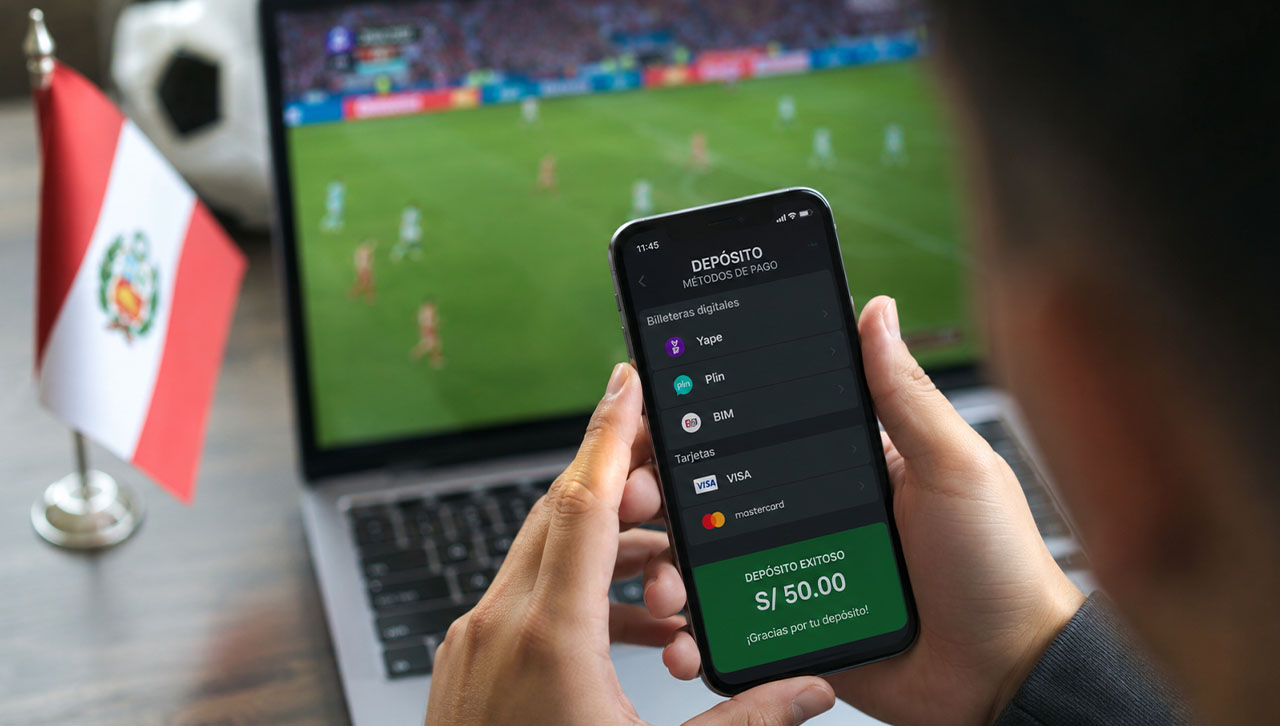
Peru’s regulated gaming market is placing greater pressure on payments infrastructure as online betting, real-time withdrawals and digital identity controls become more central to operator compliance.
Figures cited by Mincetur show that casinos, slot machines, remote gaming and sports betting generated PEN419.5m ($123m) between January and November 2025. Remote sports betting accounted for PEN117.4m of that total.
The market has expanded under Law No. 31557, which created Peru’s framework for remote gaming and remote sports betting.
Since its implementation, Peru has authorized 54 technology platforms, registered 320 sector suppliers and accredited eight international laboratories.
That licensing buildout is changing the operational demands placed on operators and payment providers.
Deposits, withdrawals, fraud checks, player verification and transaction monitoring now have to operate at scale, particularly around major football matches and tournament stages.
LigoPay estimates that digital transaction volumes in the sector can rise by more than 120% during high-profile sporting events.
The payments provider said these peaks have turned major matches into infrastructure tests for platforms handling deposits and withdrawals.
LigoPay Commercial Director, Sergio Giannotti, said: “Massive sporting events have become true stress tests for payment infrastructure. The difference is no longer just in handling a higher volume of transactions, but in the ability to process, reconcile, and settle them in real time, without friction or interruptions.”
Peru’s payments discussion also reflects wider regulatory pressure in Latin America, where newly regulated betting markets are requiring stronger traceability, anti-money laundering controls and digital identification processes.
Technologies including financial interoperability, account-to-account transfers, automated validations and real-time monitoring are becoming more important as operators seek to reduce failed transactions and limit platform abandonment.
Giannotti added: “A few years ago, speed was seen as a differentiator. Today, it’s a basic requirement.”
The development follows Global Gaming Insider’s coverage of Mincetur’s proposal to reinstate casinos and slot machine venues as official tourism service providers, after their exclusion under Peru’s new tourism law created what the ministry described as a regulatory gap.
Peru’s remote gaming rules require operators to meet responsible gaming, access control and player protection standards