






















Brazil’s Supreme Federal Court (STF) has scheduled 5 August to hear one of the country’s most closely watched gambling cases, nearly a decade after granting it general repercussion status.
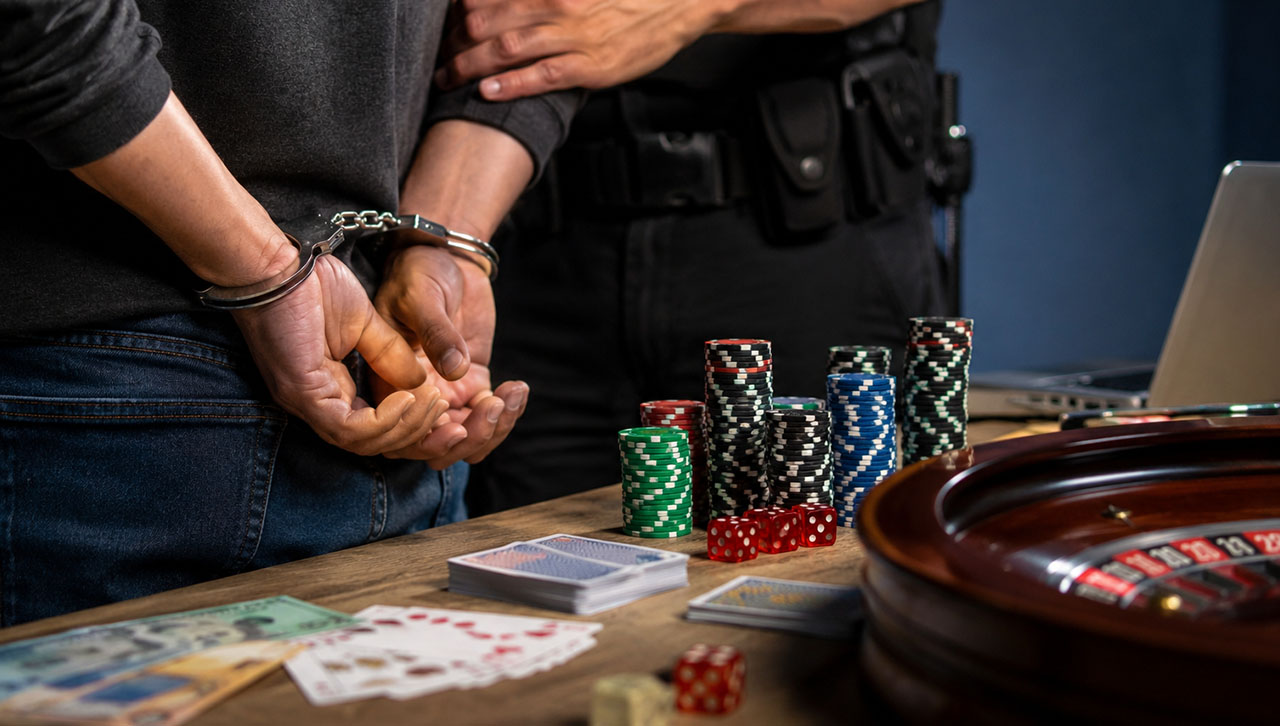
The case centers on whether Article 50 of Brazil’s 1941 Criminal Misdemeanours Act, which criminalizes games of chance, remains compatible with the country’s 1988 Constitution.
The decision could reshape the legal framework governing gambling throughout Brazil and provide long-awaited guidance to lower courts.
The appeal originated in 2016 after prosecutors challenged a ruling by a Rio Grande do Sul court that acquitted a defendant accused of operating games of chance.
The lower court concluded that the historical justifications for criminalizing gambling were no longer consistent with constitutional principles such as free enterprise and individual freedoms.
Although the case was scheduled for judgment in April 2021, it never reached the courtroom after higher-priority constitutional matters filled the agenda.
Earlier this year, lawyers representing the original defendant formally asked the Court to set a hearing, arguing that the nearly decade-long delay violated the constitutional guarantee of a reasonable duration of legal proceedings.
Could this be Brazil’s biggest gambling ruling in decades?
If the Court rules that Article 50 was not incorporated into the 1988 Constitution, gambling would cease to be a criminal misdemeanour nationwide.
While this would not automatically legalize casinos or other gambling activities, it would remove the criminal prohibition and likely increase pressure on Congress to approve legislation regulating the sector.
If, however, the justices uphold the validity of Article 50, gambling would remain a criminal offence across Brazil, potentially reviving enforcement efforts and providing long-awaited legal certainty for prosecutors and lower courts dealing with similar cases.
Brazilian senators, consumer advocates and public-sector representatives have recently renewed calls for tighter restrictions on betting advertising, particularly involving influencers, athletes and football sponsorships