Belo Horizonte has prohibited fixed-odds betting advertising across municipal property and parts of the city's public landscape, extending a wave of local marketing restrictions that began in Rio de Janeiro earlier this week.
The decree, signed by Mayor Álvaro Damião, covers static and digital advertising displayed by municipal bodies or entities, as well as events promoted by the city administration.
Betting promotions are also banned from public furniture used to provide services or assist residents. This includes bus shelters, park benches, public clocks, information totems and waste bins.
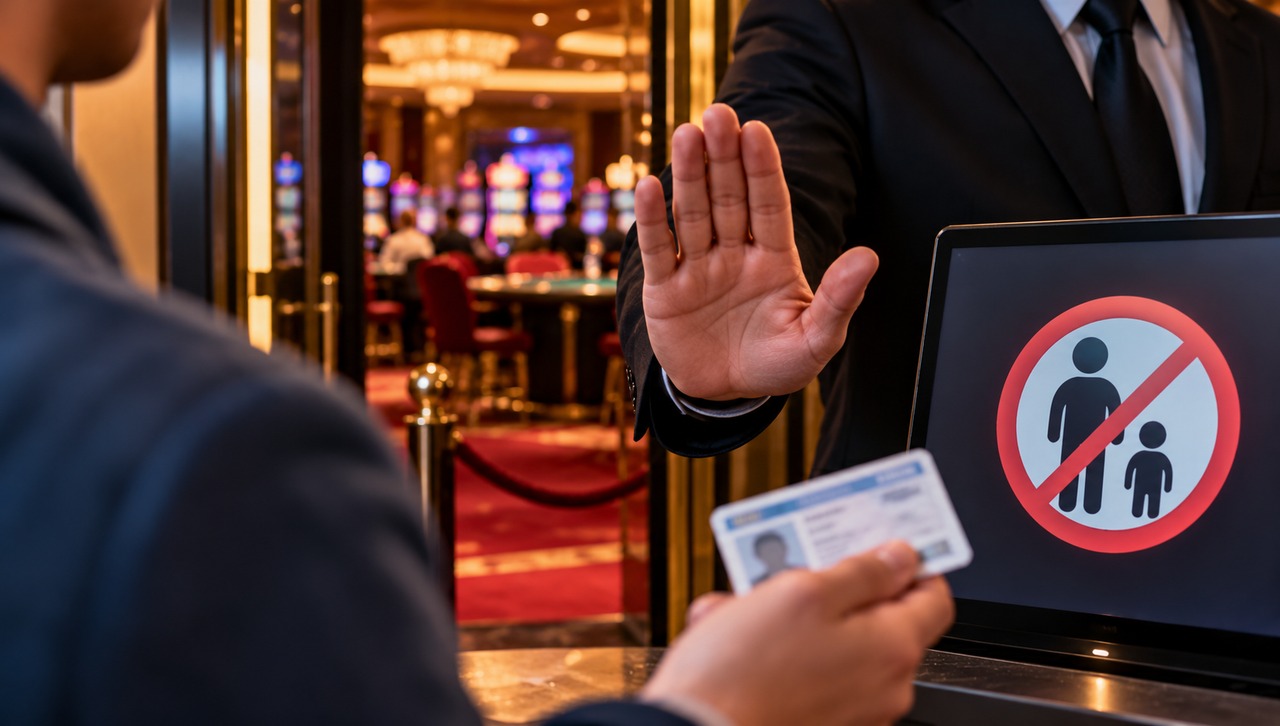
Restrictions extend to private locations within 100 meters of schools, museums and public facilities serving children, adolescents or young adults when the material targets or could encourage gambling among those groups.
Rio de Janeiro introduced a similar decree on Monday. Its measure applies to outdoor advertising, street furniture and other sites where commercial use depends on a municipal authorization, license, permit or concession.
Betting advertising is also prohibited at events organized, contracted or sponsored by the city.
The decrees place municipal governments more directly within Brazil's continuing debate over who has the authority to regulate gambling marketing. Fixed-odds betting is governed nationally under the country's regulated market, which entered operation in January 2025.
The National Association of Games and Lotteries (ANJL), which represents betting operators, said its legal department is reviewing possible action against both restrictions.
The ANJL said: "Any restrictions on advertising should be discussed within the scope of the federal government, the competent body to regulate the matter."
Its response comes as federal authorities introduce their own tighter advertising standards. From July 17, betting ads must carry a Ministry of Finance warning stating that gambling can cause addiction, causes consumers to lose money or should not be treated as an investment.
Warnings must be presented horizontally and occupy at least 10% of the advertising area. Separate consumer rules prohibit misleading campaigns, endorsements that encourage wagers on particular events and content designed to attract people under 18.
Brazil's Ministry of Finance currently lists 85 authorized betting businesses. It reported that regulated operators generated R$37bn ($6.8bn) in gross gaming revenue during 2025, while estimating that illegal platforms still account for between 41% and 51% of national betting activity.
The Belo Horizonte decree follows a series of developments in Brazil's wider debate over betting advertising.
Earlier this month, senators questioned industry representatives and public health experts during a hearing on gambling marketing restrictions, while the ANJL welcomed new federal advertising rules that introduced mandatory health warnings and tighter consumer protection measures.
Separately, lawmakers in Mato Grosso advanced legislation aimed at preventing gambling addiction through education and awareness initiatives.
Last month, Belo Horizonte councillors considered two proposals covering betting advertising, sponsorships and promotions across municipal sites and events.
The Belo Horizonte decree covers both physical and digital advertising, including displays installed on municipal transport infrastructure and other public-service equipment