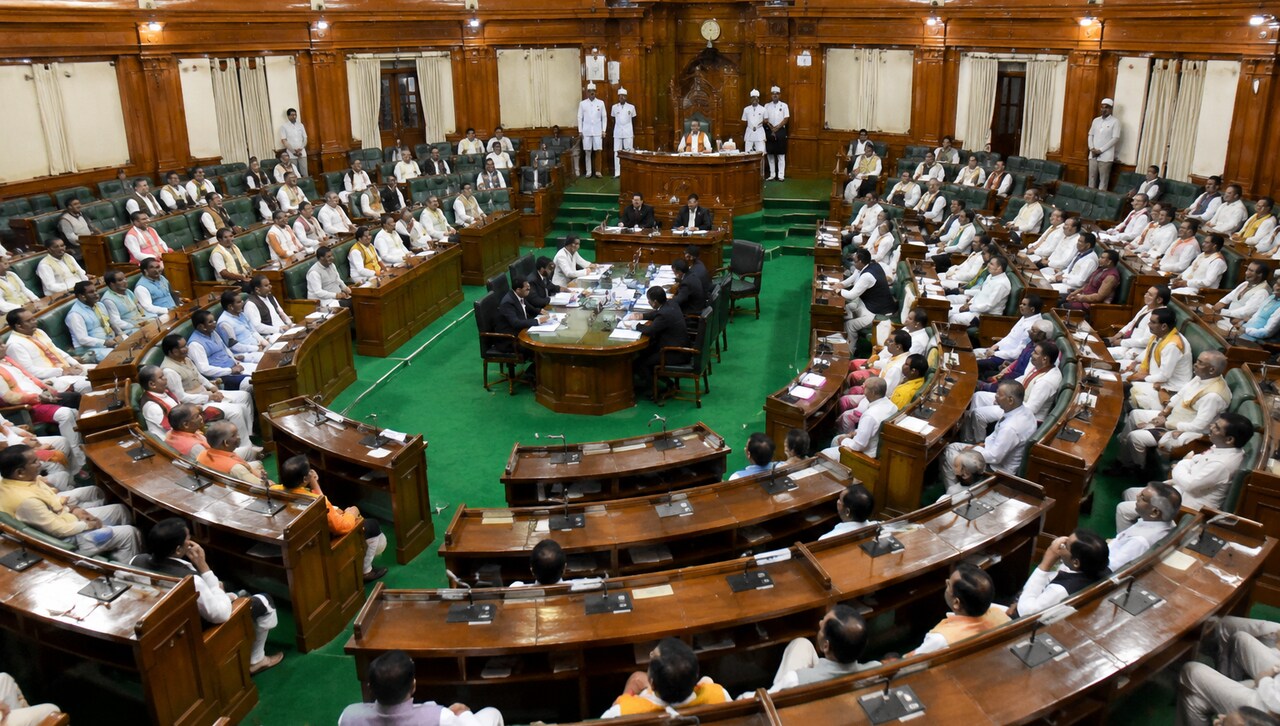
The Bihar Assembly has unanimously passed legislation prohibiting gambling across physical premises, websites and mobile applications, extending the state’s enforcement framework to digital payments and virtual currency.
The Bihar Gambling (Prohibition) Bill, 2026 will replace the Public Gambling Act, 1867 in the state. The colonial-era law was primarily designed to address physical gaming houses, leaving states to introduce updated provisions covering internet-based gambling.
Bihar introduced the legislation after India’s Union Home Ministry asked states and Union Territories to repeal the older framework and enact laws reflecting current gambling methods.
The bill defines betting as staking money, digital currency, virtual currency or another item of value on an uncertain event. Gambling covers wagers made through physical, online, electronic or virtual channels, including cases where winnings are provided in kind rather than cash.
Named prohibited games include baccarat, craps, keno, roulette, slots and three-card games. The Bihar Government may add further games of chance through subsequent notifications.
Police officers ranked sub-inspector or above will be permitted to search premises or arrest people without a warrant when gambling or assistance with gambling is detected in a public place. Participants may receive up to six months in prison, a fine ranging from ₹3,000 ($35) to ₹10,000 or both.
Anyone operating, managing or financing a public casino may face between six months and three years in prison and a fine of up to ₹50,000 for a first offence. Repeat offences carry a prison term of two to five years and a fine of up to ₹1 lakh.
The legislation also introduces corporate liability. A business involved in betting or gambling, alongside each person responsible for its operations, may be treated as having committed an offence.
Betting and gambling sit within the State List under India’s Constitution, giving state legislatures authority to set their own rules. This has produced differing approaches across the country, with some jurisdictions prohibiting most gambling involving stakes while others permit selected products under local legislation.
The Bihar measure also reflects increased scrutiny of digital gambling channels, including offshore websites, mobile applications and payment systems that can operate across state borders.
Gamban challenged India’s online enforcement framework earlier this month after its gambling-blocking software was classified as a gambling service and blocked. The case raises separate questions about how authorities identify targeted platforms and provide procedural safeguards.
The bill’s definition of betting includes virtual and digital currencies, even when they are not legally recognised as equivalent to conventional money