


























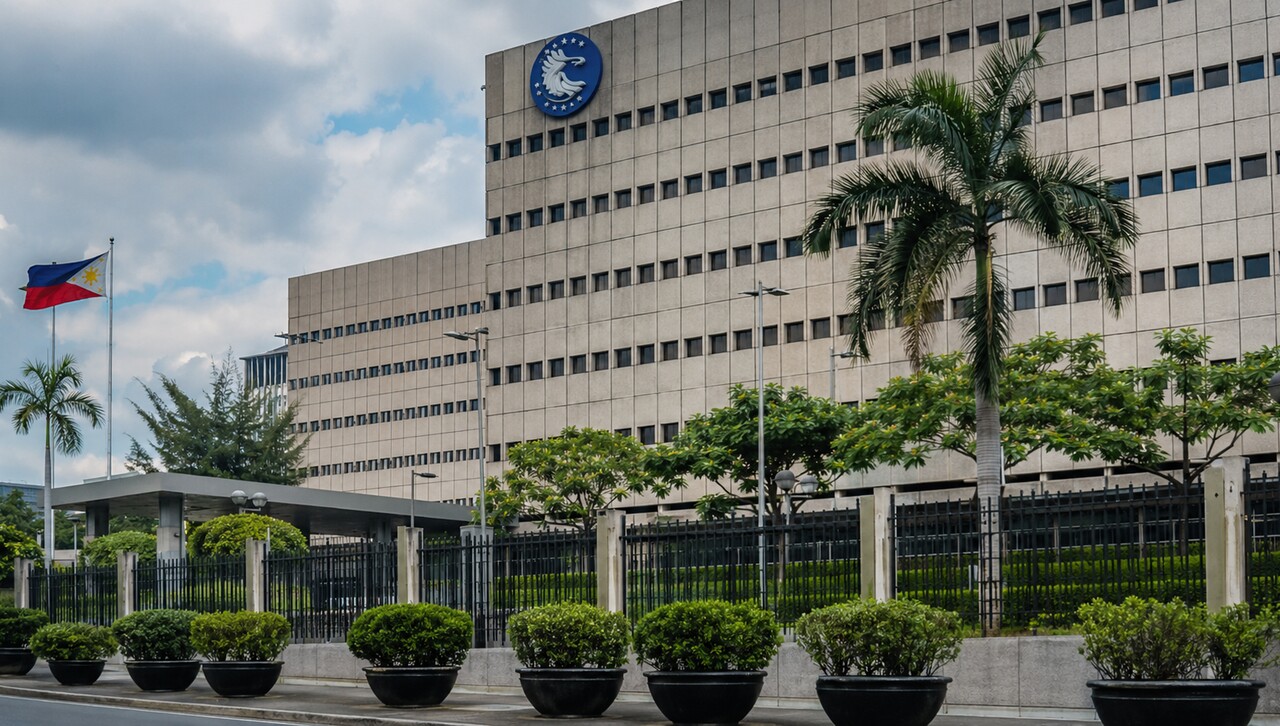
The Bangko Sentral ng Pilipinas (BSP) has issued new guidance requiring supervised financial institutions to strengthen their oversight of customers involved in casino junket operations.
The central bank identified junket-linked transactions as carrying elevated money laundering risks because funds can pass through multiple accounts, intermediaries and corporate structures before reaching or leaving a casino.
Limited public information about operators, ultimate beneficial owners and associated entities can also restrict banks’ ability to verify customer profiles.
Under the guidance, institutions should conduct separate risk assessments for junket clients and adopt controls covering onboarding, ongoing customer due diligence, transaction monitoring and suspicious transaction reporting.
Banks have also been told to verify casino accreditation, Philippine Amusement and Gaming Corporation (PAGCOR) approval and junket agreements.
Reviews should cover corporate documents, declared business activities, authorized signatories and relationships with companies operating in gaming, tourism or entertainment.
Other red flags include unusual cash patterns, shell companies, layered transfers and accounts sharing addresses with identified scam hubs.
The measures follow PAGCOR’s second casino-sector anti-money laundering and counter-terrorism financing risk assessment, released on July 13. The regulator classified the sector’s overall money laundering risk as high, citing substantial transaction values, cash usage, VIP exposure, foreign patronage and junket arrangements.
PAGCOR found that customer due diligence frameworks had improved, although implementation remained inconsistent across licensees. Larger operators generally had stronger monitoring systems, while smaller venues could face gaps in customer-level aggregation, transaction reconstruction and staff training.
The Anti-Money Laundering Council previously recorded 3,308 suspicious transaction reports linked to casino junket operations between September 2018 and January 2023, with a combined value of Php17.79bn ($301.6m).
Commercial and universal banks submitted most of the reports by volume, while land-based casinos accounted for most of their value.
The guidance also extends work undertaken before the Philippines was removed from the Financial Action Task Force grey list in February 2025. FATF said the country had demonstrated effective risk-based supervision and controls addressing casino-junket exposure.
Philippine casino revenue declined during the opening quarter of 2026, with total GGR falling 15.87% to Php87.60bn. Licensed casinos remained the largest segment, generating Php44.52bn during the period.
PAGCOR issued separate guidance in May covering red flags associated with corruption-linked abuse of casinos, including enhanced due diligence and suspicious transaction reporting requirements