





















The Lithuanian Ministry of Finance has recommended that the Government reject a parliamentary initiative to increase gambling taxes and licensing fees. The Ministry argues that the industry has already faced higher taxes and new responsible gambling requirements since 2025.
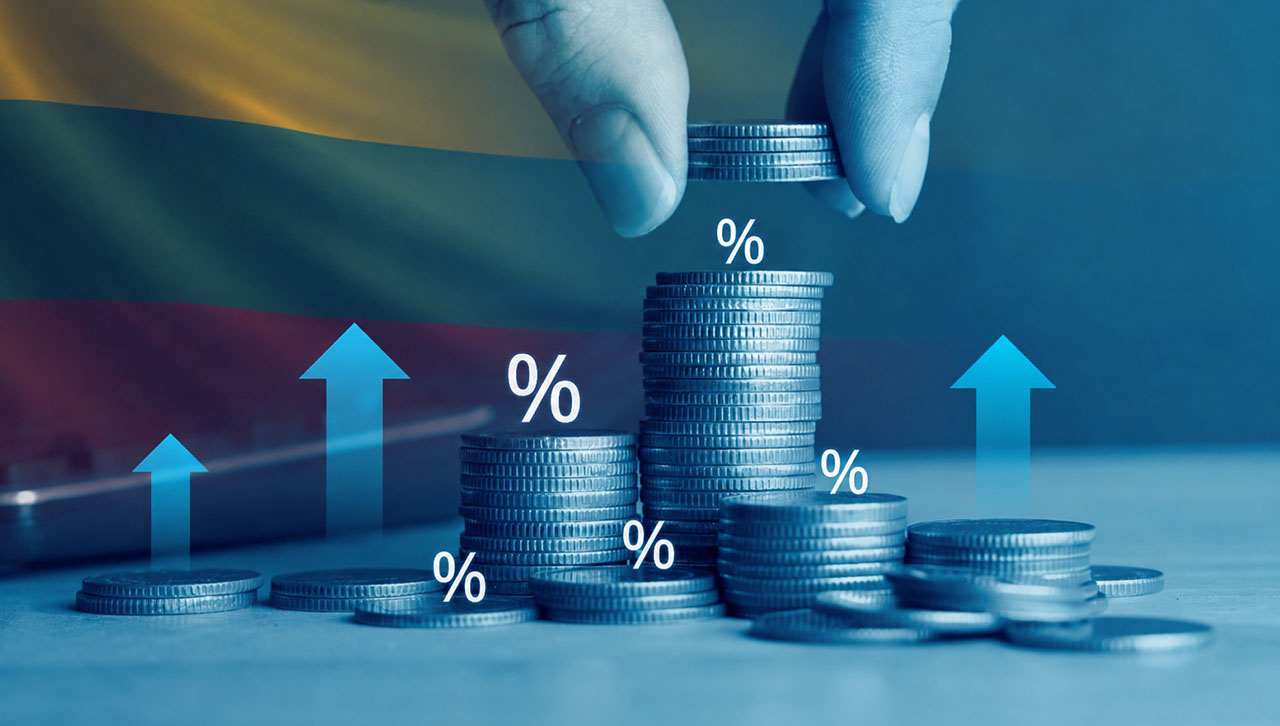
The Government's opinion was requested by the Seimas (Parliament), which is considering amendments to the Lottery and Gambling Tax Law. The proposed amendments, put forward by MP Ligita Girskienė of the Lithuanian Greens Union, would increase the lottery tax rate to 25% and the tax on table games, bingo and gaming machines to 30%. The current rates are 18% for lotteries and 22% for gambling operators.
The proposed amendments would also increase gambling licensing fees by €100,000 ($115,370). Licences for table games and gaming machines would rise to €400,000, while licences for bingo, betting and totalisator operations would increase to €200,000. Remote gambling licences would rise to €600,000.
In its conclusion, the Ministry wrote: “The proposal to increase the tax rate applied to the lottery and gambling tax base and the one-off fee for issuing a licence to organise gambling should in future be assessed based on the performance indicators of gambling operators.”
It further noted that the industry has been required to implement new responsible gambling measures since November 2025. The final decision will be made by the Seimas.
Meanwhile, Lithuania is considering further initiatives in safer gambling area. More precisely, the Government recently backed a proposal to introduce mandatory player cards and eliminate cash payments in gambling venues.
It has been reported that these player cards will enable the centralised recording of player activity. All transactions will be stored in a central database, allowing authorities and operators to better manage risks and prevent excessive losses. Minister of Finance Kristupas Vaitiekūnas also supports this initiative.
In Lithuania, operators’ gross gaming revenue (GGR) reached €65.7m in Q1 2026, up 6% year-on-year, driven by continued growth in online gambling.