


















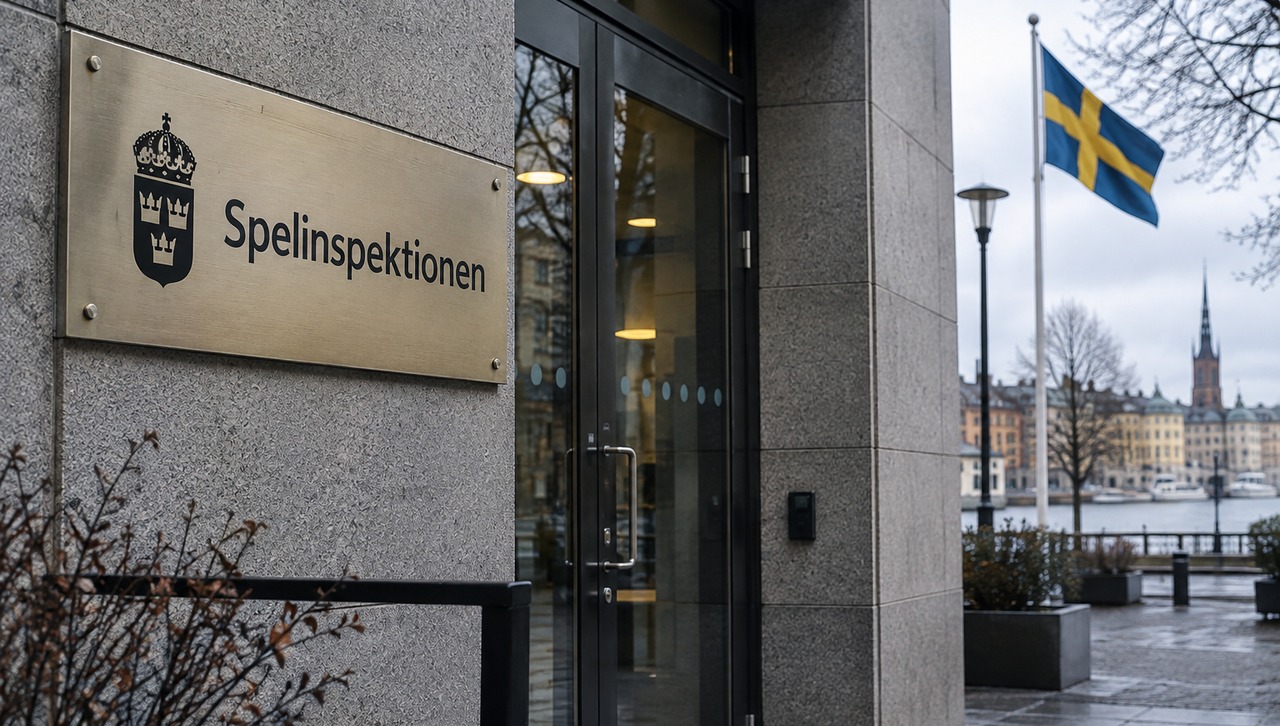
The Swedish Gambling Authority (Spelinspektionen) has prohibited those responsible for Stakes.com from providing gambling to Swedish consumers without a local licence.
The regulator said the website does not hold the licence required to offer gambling in Sweden. Under the Gambling Act, operators targeting Swedish consumers must be licensed by Spelinspektionen, while the promotion of unlicensed gambling directed at the market is also prohibited.
Stakes.com offers online casino products and is identified by industry listings as being operated by Boni Tech Limited. The operator holds a licence from the Tobique Gaming Commission, but Spelinspektionen's announcement does not identify the legal entity subject to its latest decision.
The prohibition forms part of a wider enforcement programme against offshore gambling. Spelinspektionen has issued similar decisions during 2026 against Softon Ltd, RBGaming N.V, Twocent Technology Limited, Rust Clash Entertainment Ltd and Novatech Solutions N.V.
During the first quarter, the regulator opened several supervisory cases concerning suspected unlicensed gambling. It said follow-up analysis showed prohibitions can reduce traffic to targeted websites, although their effectiveness varies as operators change their methods or use multiple domains.
The enforcement comes as Sweden continues to contend with gambling outside its regulated system. Spelinspektionen estimated the channelisation rate at 84% in 2025, compared with 85% in 2024.
The figure measures the proportion of gambling in competitive segments, primarily online casino and betting, conducted through Swedish-licensed operators.
Sweden is also considering a broader legislative response. A 2025 Government memorandum proposed removing the Gambling Act's existing "direction criterion", which currently determines whether an online gambling offer falls within Swedish law based on whether it targets the Swedish market. The proposed change would expand the legislation's scope.
In September, the Swedish Government separately launched an inquiry into gambling among children and young adults. Its remit includes examining participation and marketing across both licensed and unlicensed gambling, with recommendations due by February 2028.
Sweden also expanded its regulatory framework from 1 September by bringing land-based commercial casino gaming within its AML rules, requiring affected operators to implement customer due diligence, risk assessments and ongoing monitoring.
Before Sweden introduced its current licensing system in 2019, Spelinspektionen estimates that less than 50% of gambling in competitive market segments was channelled through authorised operators