








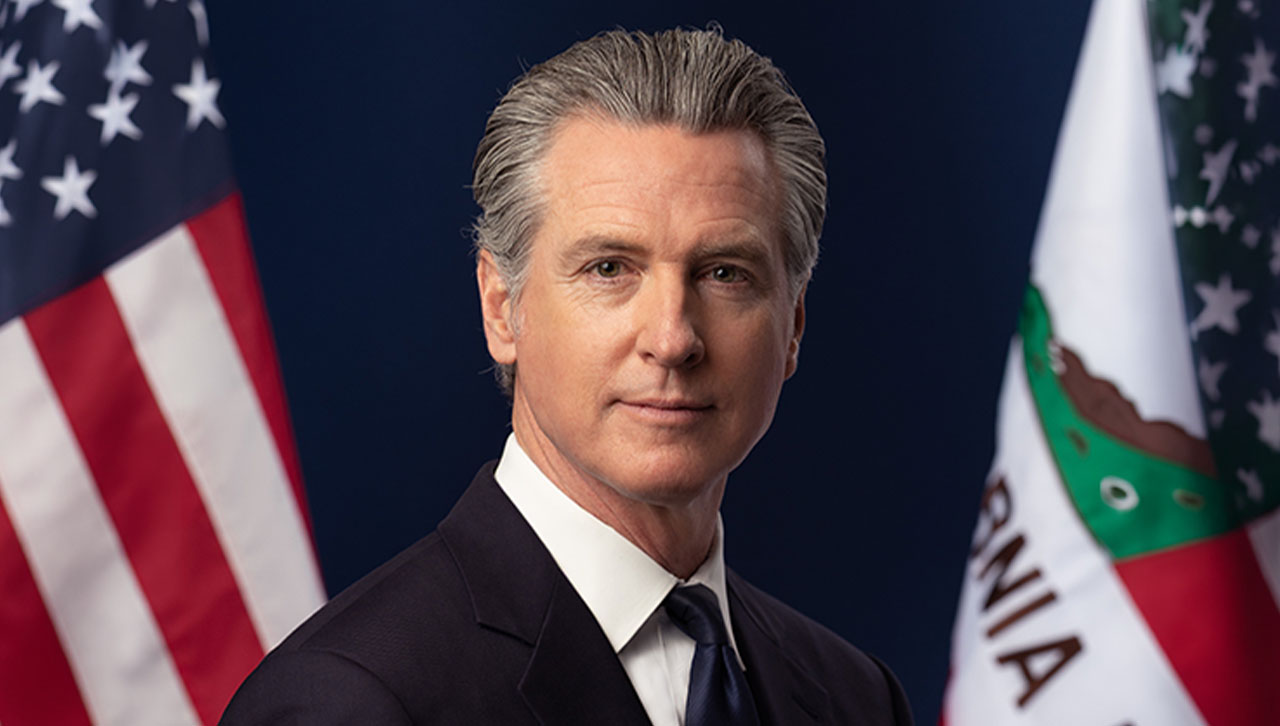
California Governor Gavin Newsom has signed a package of gambling legislation covering tribal-state gaming compacts, regulatory fees and horse racing.
Four of the measures, AB 2173, AB 2539, SB 542 and SB 1235, concern Tribal gaming agreements. Under the federal Indian Gaming Regulatory Act, Class III gaming on Tribal lands operates through compacts negotiated between tribes and states, while California requires legislative ratification of those agreements.
AB 2173 ratifies the first amendment to California's compact with the Agua Caliente Band of Cahuilla Indians. The agreement extends the compact through the end of 2061 and provides a framework for expansion of the Tribe's gaming facilities.
AB 2539 ratifies a new compact with the Yurok Tribe. The agreement replaces a compact dating from 1999 and allows up to 349 gaming devices across as many as three gaming facilities.
The Yurok Tribe has more than 5,000 enrolled members and is California's largest tribe by membership.
SB 542 ratifies amendments to the compact between California and the Santa Ynez Band of Chumash Indians. Legislative hearings identified an extended compact term and changes relating to tort liability among the amended provisions.
SB 1235 covers three further agreements. It ratifies the fifth compact amendment for the Picayune Rancheria of Chukchansi Indians, a new compact with the Fort Mojave Indian Tribe and the first compact amendment for the Pechanga Band of Indians.
The measure also provides specified exemptions from the California Environmental Quality Act for actions connected with the agreements.
Beyond tribal gaming, Newsom signed SB 920, which requires the California Gambling Control Commission or Department of Justice to publish details on the need, purpose and authorized use of fees deposited into the Gambling Control Fund when fees are adopted or adjusted.
AB 1526 also changes California horse racing law by removing a 90-day deadline for certain audits of horsemen's organizations and allowing the California Horse Racing Board to permit exceptions. It additionally requires agreements covering minisatellite wagering facilities to specify which live in-state races will be supplied to the site.
California's tribal gaming framework has also faced pressure from the expansion of prediction markets. In November 2025, a federal judge denied Tribal plaintiffs a preliminary injunction against Kalshi in litigation concerning its event contracts and their interaction with state and Tribal gaming law.
The Yurok Tribe's previous Class III gaming compact was temporarily extended to December 31, 2026 before the new agreement moved through California's Legislature