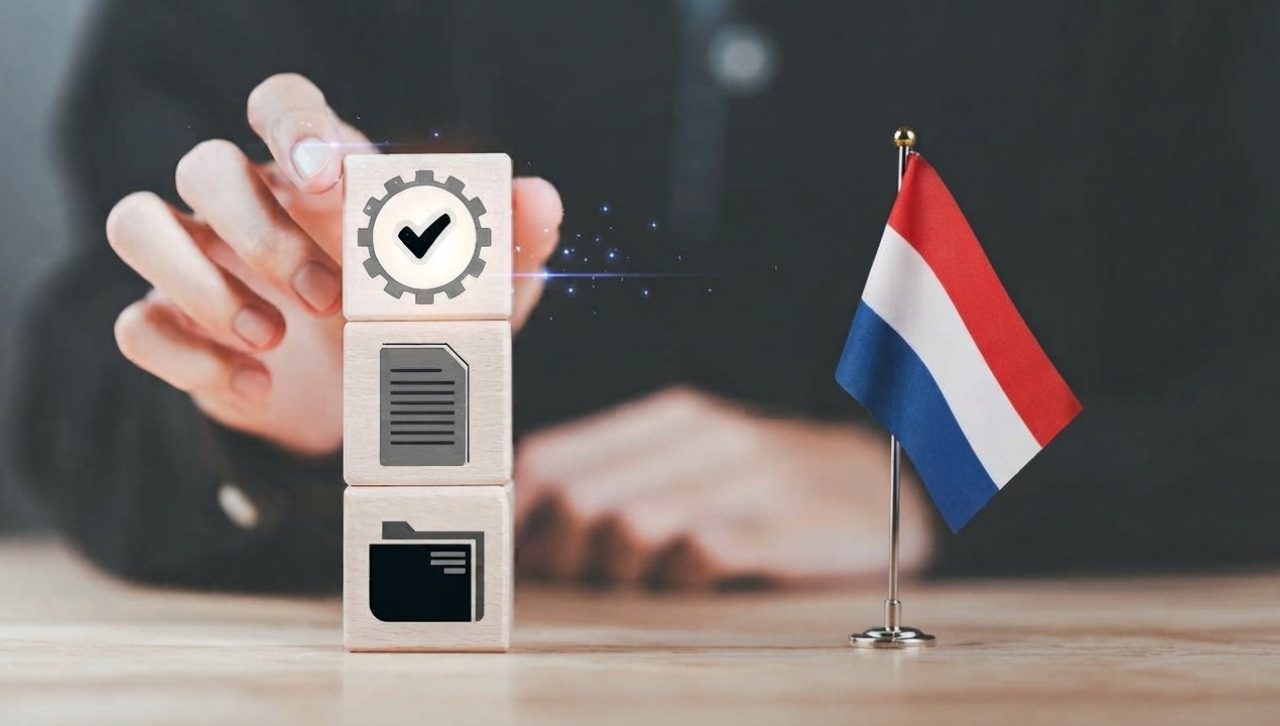
The Dutch Gambling Authority (KSA) has published guidance on verifying bank accounts and other payment methods.
The KSA has investigated account registration processes and found that operators do not always perform adequate checks. It has reported cases of minors depositing funds from their bank accounts.
Although the research focused on minors, the problem also extends to individuals registered with self-exclusion register Crucks. The KSA found that players can create an account under a different name to commit bonus fraud, hedge bets or circumvent (gambling) limits.
The KSA requires gambling operators to ensure that all player payments can be unambiguously traced to the verified individual. This means checking that the player’s full name matches the name on the payment account, particularly before a first deposit or when an account is changed.
PayPal and Paysafe can provide verified identity information for operators to cross-check, while full-name verification is not yet available for credit cards. Until a more extensive verification mechanism is introduced, operators are expected to use as much available information as possible. The same traceability principle applies to other payment methods.
The Ksa says operators should use a reliable bank-account verification mechanism rather than relying only on transaction details. This is because bank statements often show only initials rather than the player’s full first names, making it impossible to confirm ownership with certainty.
The recommended system checks the account holder’s full first name and surname against the player’s identity document and can also identify whether the account is personal or business-owned and whether multiple people hold the account.
The system returns a match, no match or partial match, with partial or failed matches requiring further examination or additional checks. Several providers already offer this mechanism in the Netherlands, and around two-thirds of Dutch online gambling operators already use variants of it.
Finally, providers must expressly prevent the use of a business bank account for gambling.
Dutch Association of Online Gambling Providers (VNLOK) recently summoned Meta to court over the latter's dissemination of illegal gambling ads on Facebook and Instagram