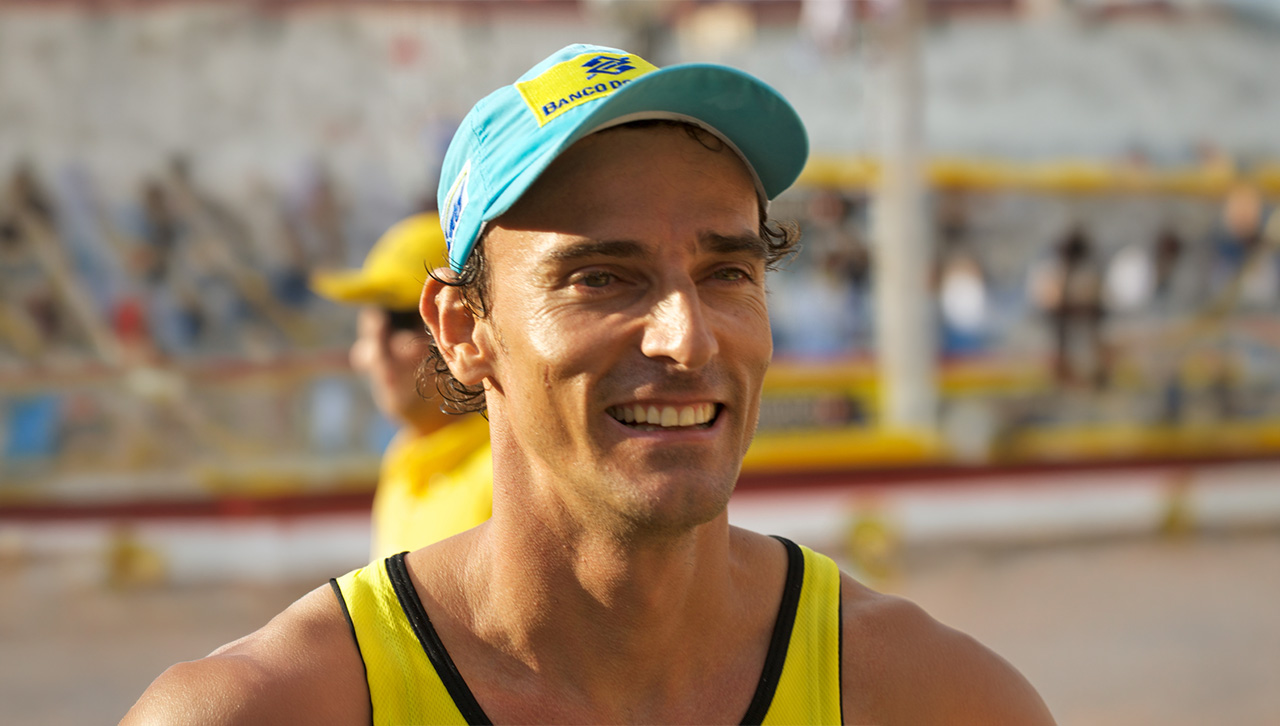
Emanuel, one of Brazil's best-known beach volleyball players and an Olympic champion, now serves as director-general of the Brazilian Olympic Committee (COB).
He has acknowledged that Brazil's betting ban will affect the body's finances. Speaking to Brazil’s CNN's Esportes, he said part of the COB's budget had been planned around betting revenue.
"At this moment, we had scheduled part of the budget with resources that come from betting. It creates an impact, yes," Emanuel said.
He added that the committee is willing to work with authorities on solutions. "We are open to reaching this understanding, talking with the public sector about what we can do to mitigate these difficulties the organizations are facing."
The effect of the ban on Brazilian football has dominated the debate since Provisional Measure 1,394/2026 took effect on September 25, but other sports are exposed too. Under the 2023 Betting Law, a share of betting revenue is channeled to sports bodies including the COB, the Paralympic Committee and the Clubs Committee.
Still, the COB had already been preparing for a lower reliance on betting money. About six months before the ban, COB president Marco La Porta set a strategic objective of reducing the committee's financial dependence on lottery and betting transfers.
Recently, the COB opposed a provision in the Public Security constitutional amendment that threatened to redirect up to 30% of betting revenue allocated to sport, which was later removed.
After the ban, sports bodies including the Sports Ministry, the COB, the Paralympic Committee and the Clubs Committee had estimated they would lose around BR2.6bn ($510m) in legally mandated transfers through 2027.
75% of COB's revenue in 2025 came from lotteries and betting-related transfers