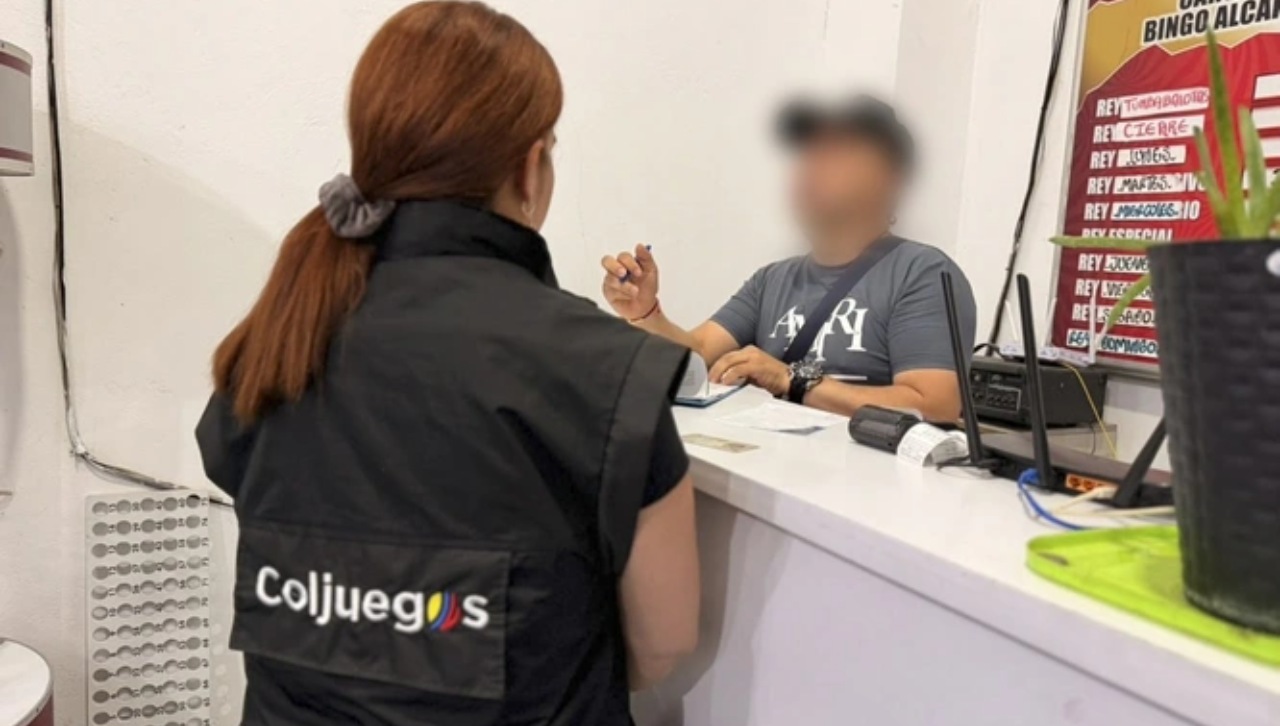
Coljuegos, Colombia’s gambling monopoly administrator, seized 397 items used for unauthorized location-based gambling machines in Popayán, Cauca.
The agency conducted the operation with the Gaula Militar, a specialized unit of the Colombian military focused on combating kidnapping and extortion.
According to Coljuegos, the illegal operation was preventing more than COP210m ($69,000) a year from reaching the country’s subsidized health system.
The operation comes as Coljuegos continues enforcement efforts against unauthorized gambling, which the agency says deprives the health system of revenue generated through the legal operation of games of chance.
In September, the regulator held six working sessions with authorities in Chocó, Nariño, Risaralda, Huila and Meta, as well as a national meeting, to strengthen inspection and enforcement procedures.
By August, the regulator had reported 12,852 illegal gambling devices seized across 24 departments through 514 operations, alongside 15,644 unauthorized devices destroyed. It had also issued 58,916 website blocking orders against platforms operating or promoting unauthorized gambling.
In January, Coljuegos reported that it had destroyed 11,788 unauthorized gaming items. The agency estimated that these items had been preventing more than COP250bn in annual transfers to the health system.
The equipment included slot machines, sports betting modules and terminals used to collect bets through unauthorized platforms.
Meanwhile, Coljuegos reported collecting COP 977.22bn for the subsidized health system between January and August 2026, an increase of 39.38% compared with the same period in 2025.
Location-based games accounted for COP 280.866bn of that total, up 12.25% year-on-year.
The agency said its enforcement actions aim to curb unauthorized gambling, encourage operators to formalize their activities and protect revenue allocated to healthcare for vulnerable populations.
Coljuegos is Colombia’s state-owned enterprise responsible for administering and regulating the country’s gambling monopoly