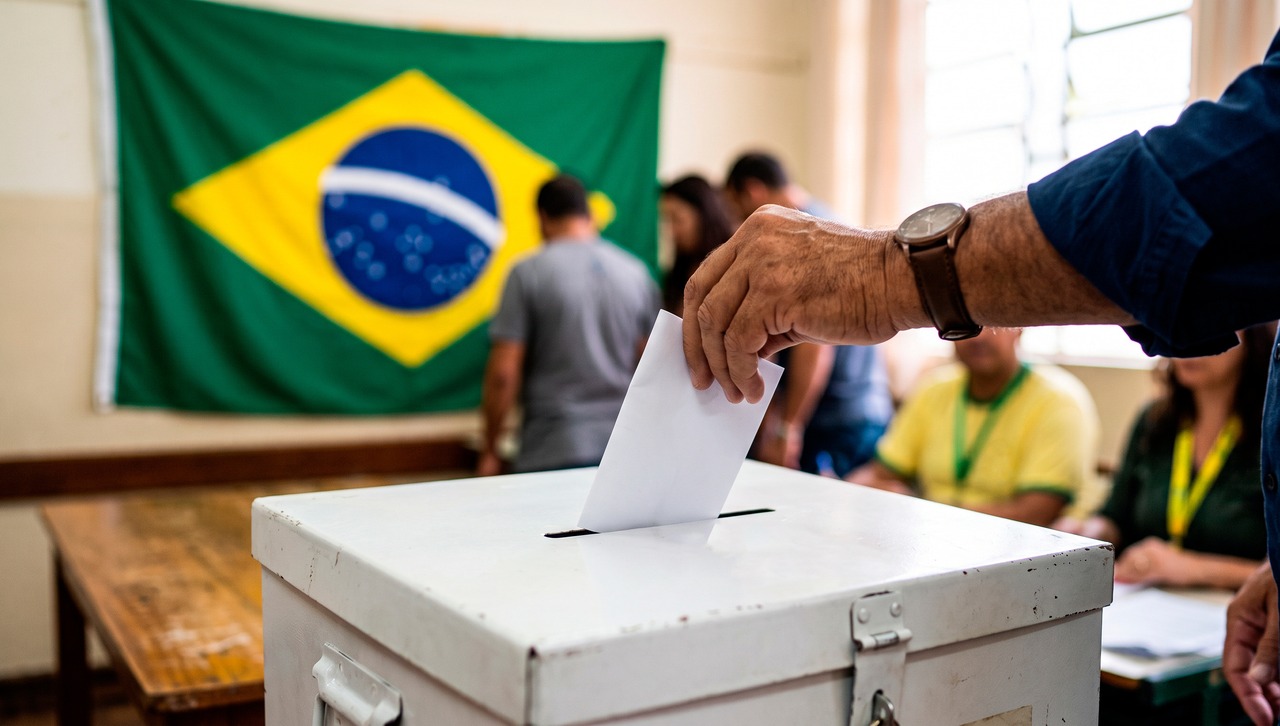
Brazil is a nation famous for its acting with its heart. Today, the nation's heart indicated that current President Luiz Inácio Lula da Silva was the preferred candidate to lead Brazil for another four-year term.
Lula's more liberal approach is, perhaps, one of the key drivers behind the nation's provisional ban on online betting. Public opinion of gambling in Brazil is on the floor, with addiction and health concerns being the center of the argument. Politicians can only ignore the will of the people for so long, and Lula's ban was surely enacted in good faith... from the heart.
However, one only has to use their head to see that the ban may end up causing more problems than it solves.
What happens now?
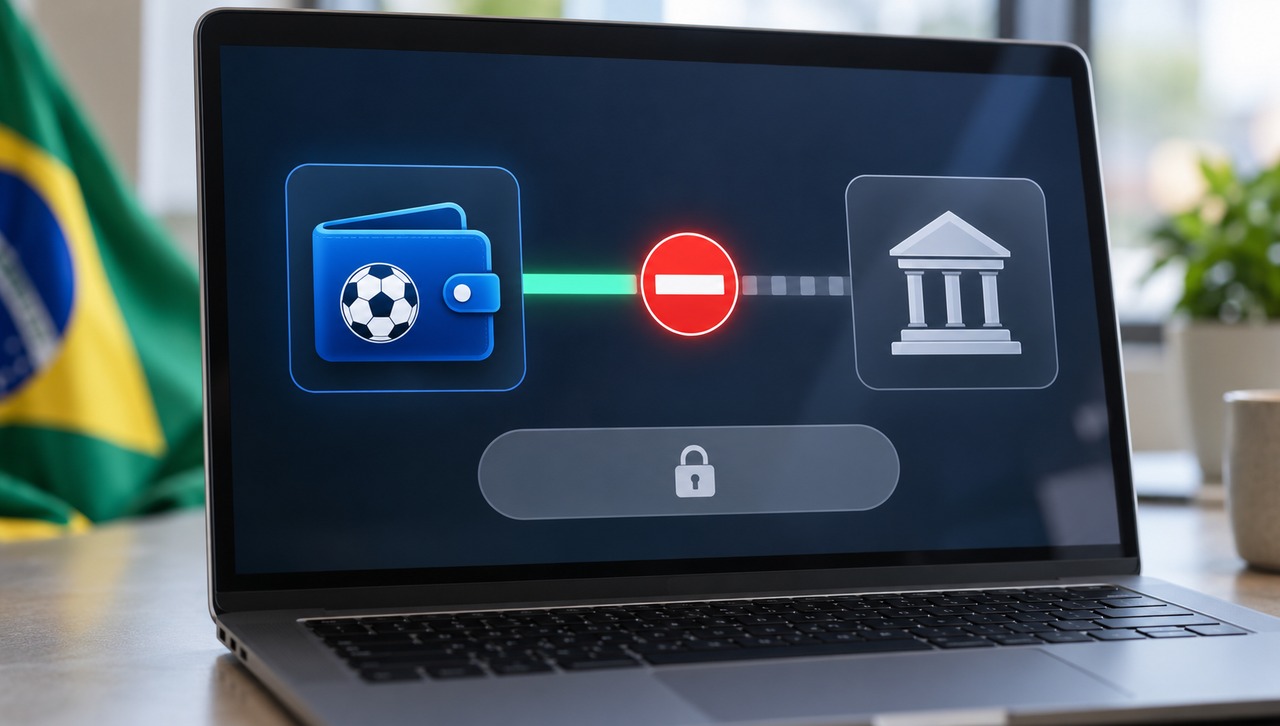
This latest result reinforces Provisional Measure 1,394, introduced on September 25, which seeks to ban online betting in Brazil outright. Companies have already been made to cease operations as of October 6, with advertising having also been provisionally outlawed in all forms.
Now, however, Brazilian Congress's official tracker gives November 23 as the initial deadline for deliberation on the ban. As per the nation's legal structure, Congress will have to approve the measure, with legal action and constitutional challenges having already been launched by industry bodies and affiliated industries – such as the Brazilian football industry – who oppose the ban.
The illegal market also fell from 41% to 51% market share in 2025 to 38% to 44% in 2026, progress that will almost certainly be reversed by the ban
Nevertheless, gambling regulation has played a key role in this latest election campaign, with both candidates indicating respectively that they would uphold a ban. In fact, last week saw President Lula confirm that online betting platforms would not return to the nation as part of an online stream presentation in the final push of his presidential run.
Still, Lula's re-election doesn't guarantee anything, Congress must approve the measure, and the industry will continue to lobby hard, with Flutter confirming this morning that it intends, for one, to "advocate for the maintenance of the regulated market" as part of an official statement.
Reflecting on the regulated era
Of course, the argument is far from finished, but Lula's re-election remains something of a hammer blow for regulated gambling in Brazil, which enjoyed a highly productive spell in one of the world's biggest economies for almost two years.
As the Brazilian Government was drawing up regulation and finalizing the necessary conditions to open the market on New Year's Day 2025 (prior to the prediction market mayhem): Brazil was by far the most exciting thing in gambling. License applications flew in thick and fast in their hundreds, and the (now seemingly dissolved) Secretariat for Prizes and Betting (SPA) was frantically and effectively implementing regulations that it had spent the past two years incepting – ironically under a Lula administration.
As the regulated sector moved into the public eye, however, public favor began to skew as advertising and promotions became affiliated with problem gambling – which Brazil in its heartiness spiraled into a full-blown health crisis. Or, at least, that was the public perception.
What began as a concerning development of a small number of Bolsa Familia (Brazil's welfare program) recipients using their welfare funds to gamble online turned into a slow but consistent downturn in betting perception in Brazil – with lobbyists ultimately piercing the skin of Lula, who subsequently backtracked on the regulation he, himself, introduced.
What does Brazil stand to lose?
It's true that the gambling industry can, at times, be at risk of sounding like a broken record when it comes to the black market.
However, one only has to use their head to see that the ban may end up causing more problems than it solves
Yet, the ban on online betting in Brazil will do nothing to change the nation's appetite for the practice. And it is an appetite that is undeniable – as Brazil's January to September 2026 betting tax take was reported to be $2.1bn. Alas, the illegal market also fell from between 41% and 51% market share in 2025 to between 38% and 44% in 2026, progress that will almost certainly be reversed by the ban.
A fast-growing illegal gambling market is, in fact, what a public health crisis looks like. And with no regulatory certainty around how the ban will be implemented or maintained, a fast-growing illegal gambling market is currently a very real possibility for Brazil in the coming years.
Thousands of layoffs, millions in lost tax revenue, license reimbursements and legal action are all losses for Brazil from the potentially muted market. The losses, however, extend past just the gambling industry. At least 23 Brazilian football clubs initiated legal proceedings against the ban with the Supreme Federal Court (STF), as reports from the São Paulo Football Federation (FPF) highlighted that the ban could lead to at least BR1bn in sponsorship renegotiations and contract cancellations.
For now, the gambling industry remains at the mercy of Brazilian Congress and the Supreme Court.
In the 2000s, Lula also introduced bingo regulation to the Brazilian market, only to lead the charge in the eventual outlawing of the practice in the nation