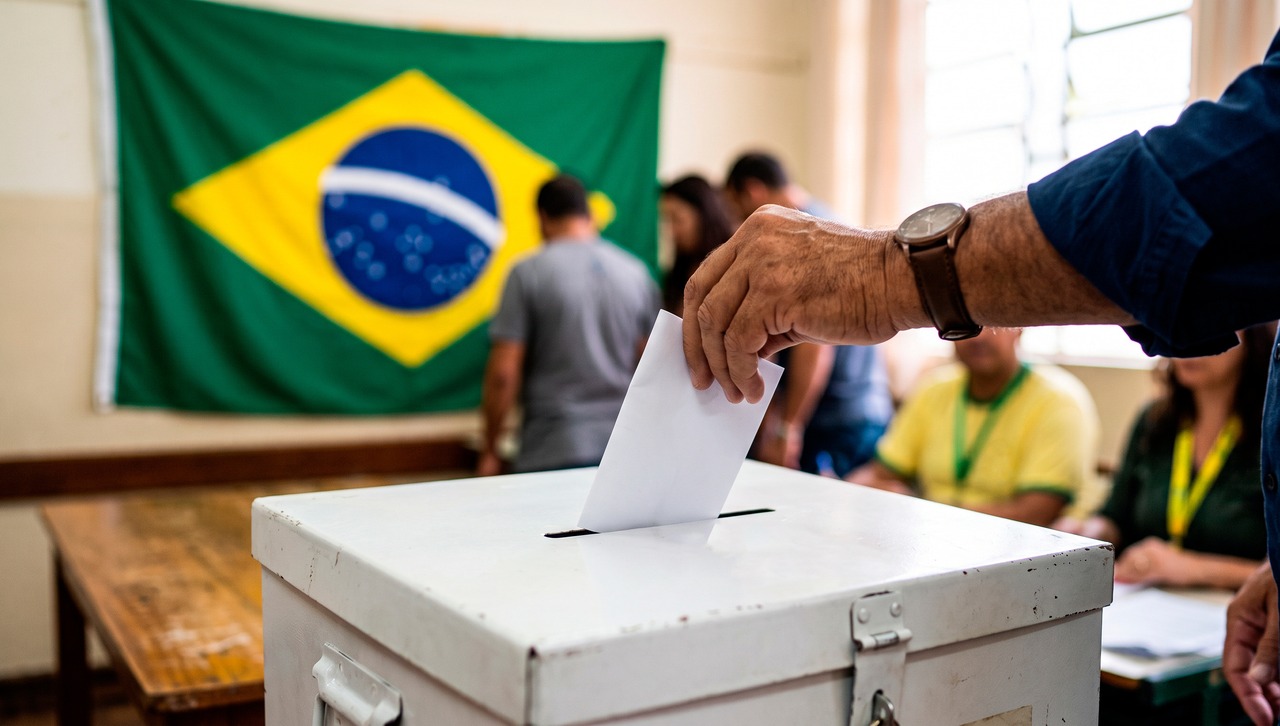
Brazil’s Presidential Election has left betting operators confronting an awkward question: how secure was a five-year license if the Government could close the market less than two years after its launch?
Lula’s runoff victory keeps the author of September’s prohibition in office and weakens hopes of a Presidential policy reversal. But the election settles neither the ban’s permanence nor its constitutionality. Those decisions belong to Congress and the Supreme Federal Court (STF). The industry still has more proceedings ahead, just fewer campaign promises to cling to.
Provisional already means enforceable
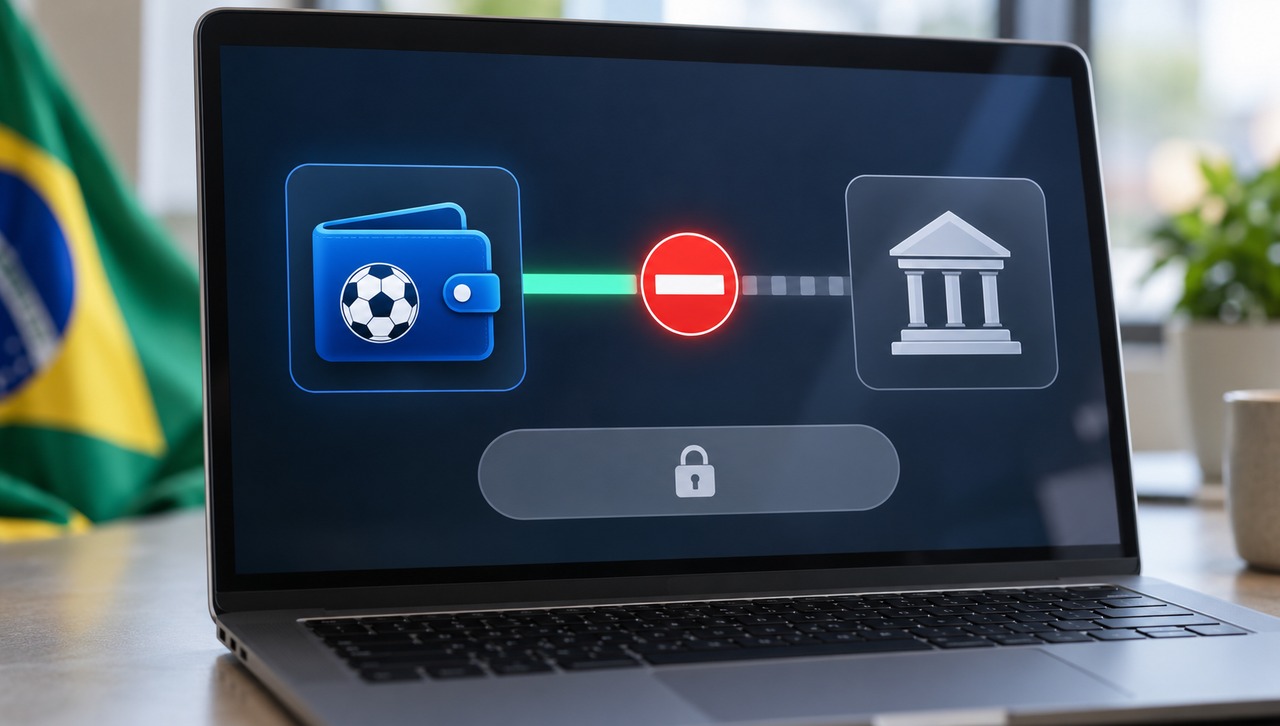
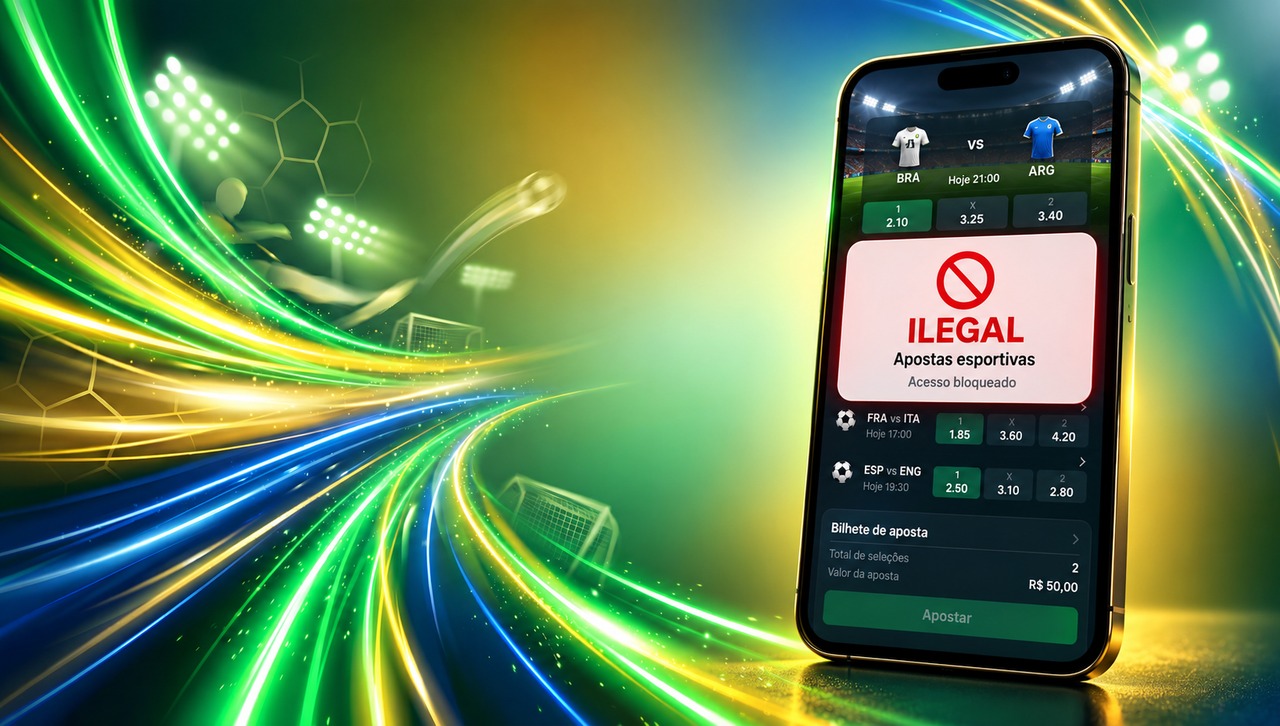
Brazil’s Constitution allows Presidents to issue provisional measures with immediate legal force in cases of relevance and urgency. MP 1,394 dismantles the framework built under Laws 13,756/2018 and 14,790/2023. It already prohibits fixed-odds sports betting and online casino-style games, including offshore offers to Brazilian customers. State authorizations provide no escape; other legally authorized lottery products remain outside its scope.
This distinction is an important one commercially. Congress is deciding whether to preserve a prohibition that has already shut out platforms, rather than debating if they should close.
There’s also a separate legislative track. Proposed four-to-six-year prison sentences for operating bets sit in Bill 5,477/2026, which remains under consideration. The Constitution bars criminal legislation through provisional measures. These new offenses are proposals, despite the operational ban already being enforceable.
Congress holds the next vote
Congress comprises the Chamber of Deputies and the Senate. Following scrutiny by a joint committee, the Chamber votes first, then the Senate. Both must approve conversion into permanent law, normally by a simple majority with a majority of members present. An amended conversion bill goes to the President for sanction or veto, giving Lula further influence over any compromise.
Congress and the courts still offer routes to challenge or reshape the ban, but any development must resolve the status of existing licenses and the conditions for restarting operations
The initial deadline is 23 November. A single 60-day extension, with the clock paused during congressional recess, could keep the measure alive into early March 2027. Either house can reject it sooner; failure to convert it within the constitutional timetable also ends its force.
There’s a political wrinkle here too: newly elected lawmakers take office on 1 February. The sitting Congress controls proceedings until then. Bolsonaro’s PL is projected to become the Senate’s largest party, but opposition to Lula doesn’t automatically translate into support for betting.
Lula can claim renewed electoral backing, yet legislators must weigh gambling harm against lost taxes, employment and football sponsorships, alongside the risk of pushing demand underground.
Speaking to Global Gaming Insider, MYLaw Founding Partner Luiz Felipe Maia identified possible compromises, including separating sports betting from online games. Amendment remains a credible route; a presidential victory supplies no parliamentary vote count.
What the Supreme Court can change
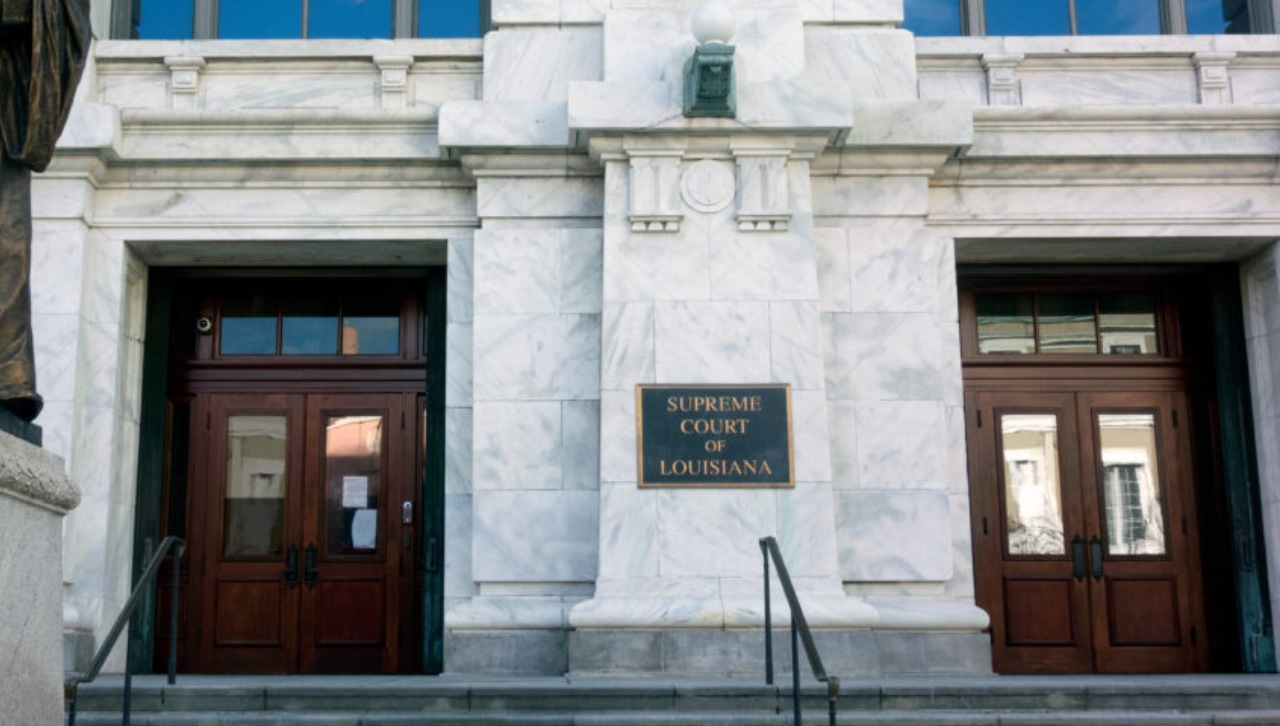
The STF’s 11 justices guard the Constitution. Through direct constitutional challenges, they can suspend federal legislation and ultimately invalidate it with nationwide effect. A final declaration of unconstitutionality requires six votes. Congressional approval wouldn’t immunize the ban from that scrutiny.
Anseja and ANJL have already filed challenges. The objections include the claimed absence of constitutional urgency, legal uncertainty and interference with economic freedom and state powers. The abrupt termination of existing authorizations also adds a particularly uncomfortable question about reliance on the Government’s own licensing framework.
The Government’s counterweight is public health and household finances – the concerns underpinning its explanatory memorandum. The legal argument must address whether prohibition and its implementation breach constitutional limits. Lost revenue, however painful, cannot answer that question on its own.
Lula can claim renewed electoral backing, yet legislators must weigh gambling harm against lost taxes, employment and football sponsorships, alongside the risk of pushing demand underground
Existing authorizations were scheduled to expire on 25 October – Election Day. Article 4 expressly denies license fee refunds and compensation. This makes recovery a contested legal issue, rather than an administrative loose end. However, a five-year authorization doesn’t by itself settle whether public-interest legislation can end the activity. A court could grant narrower relief over transition arrangements without restoring the entire market.
Stake’s experience illustrates the danger of celebrating early: its temporary permission to continue operating was suspended by a higher court. An injunction can buy time, then disappear before the celebratory drinks have even been expensed.
A reversal still needs a reopening plan
Even if the measure expires, operators can’t assume their cancelled licenses will automatically return. Article 62 gives Congress 60 days after rejection or expiry to set rules for the measure’s past effects. If lawmakers do nothing, legal arrangements created while it applied remain governed by it. Operators would therefore still need clarity on whether their licenses could be restored.
Meanwhile, refunds, reporting and record-retention obligations survive closure. Suppliers face their own questions over suspended services, minimum payments and termination clauses. Preserving evidence of investment and shutdown costs is necessary regardless of whether the eventual remedy is reopening or compensation.
Overall, Lula’s victory makes a voluntary government retreat harder to envisage. Congress and the courts still offer routes to challenge or reshape the ban, but any development must resolve the status of existing licenses and the conditions for restarting operations. For the industry, the useful breakthrough would be a legislative compromise or a judgment specifying exactly what can resume.
Until then, however, a favorable headline is a poor substitute for permission to trade.
Brazil’s ban doesn’t cover every lottery product. MP 1,394 expressly excludes other lottery categories already authorized by law